A Natural Solution for California's Herds: African Catfish Peptides

California's cattle producers and agricultural communities are all too familiar with the rising challenge of antibiotic resistance, making common bacterial infections harder to treat in livestock. But imagine a future where we could tackle these infections with a natural, powerful alternative. Our research points to just that: antimicrobial peptides (AMPs) found in African catfish.

We're really excited about these peptides because African catfish thrive in pathogen-rich freshwater, naturally producing these robust immune compounds in their skin mucus as a defense. This natural origin makes them highly appealing alternatives to synthetic drugs.

Predicted Safety and Potent Action

One of the most compelling aspects of these AMPs is their predicted safety for mammals. Our initial computer analyses suggest that various catfish AMPs are generally recognized as safe (GRAS). We predict they'll be absorbed in the human intestine without causing liver, brain, or heart toxicity. Furthermore, lab tests on a promising peptide, NACAP-II, confirmed it was non-hemolytic, meaning it didn't damage rabbit red blood cells—a strong indicator of its potential safety for mammalian cells.

Beyond safety, these peptides demonstrate effectiveness against problematic bacteria. One study revealed NACAP-II's strong activity against Extended-Spectrum Beta-Lactamase (ESBL)-producing Escherichia coli—a critical concern for both animal and human health due to its resistance to many common antibiotics. Another peptide, ACAP-IV, also showed antibacterial activity against E. coli and Staphylococcus aureus. We believe these AMPs work by directly disrupting bacterial cell membranes, a mechanism that makes it harder for bacteria to develop resistance compared to how they resist traditional antibiotics.
Primary Image
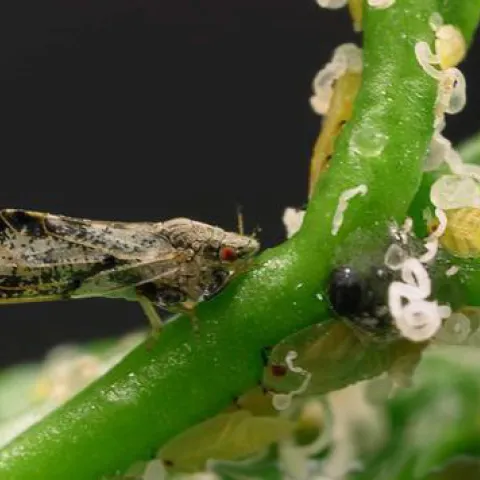
Asian Citrus Psyllid Michael E. Rogers University of Florida
UC Master Gardeners of Santa Clara County: Page

Invasive Pests and Quarantines

Current Quarantines: A Mediterranean Fruit Fly quarantine is in effect for large parts of San Jose, as well as sections of Campbell, Los Gatos, Santa Clara, and Milpitas. Asian citrus psyllid (ACP) County-wide quarantine on citrus fruits, leaves, and trees; also Indian curry leaf and other hosts The Asian…
View Page
Primary Image
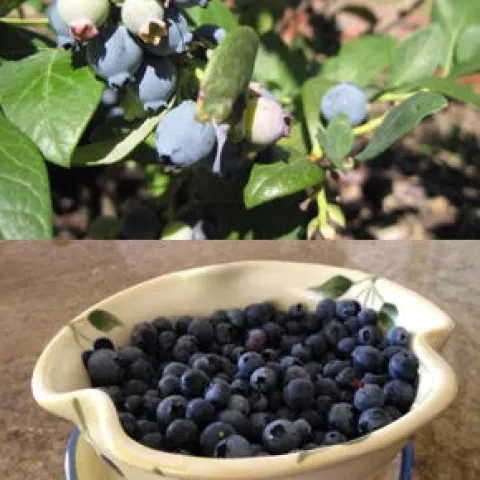
Blueberries - by Jeff Jenks
UC Master Gardeners of Santa Clara County: Page

Blueberry Varieties

Blueberry varieties testing conducted in Santa Clara County to evaluate the following characteristics of each of the varieties: flavor, productivity, harvest season, landscape value including plant form, foliage characteristics, fall foliage color, and winter ornamental value.
View Page
Primary Image
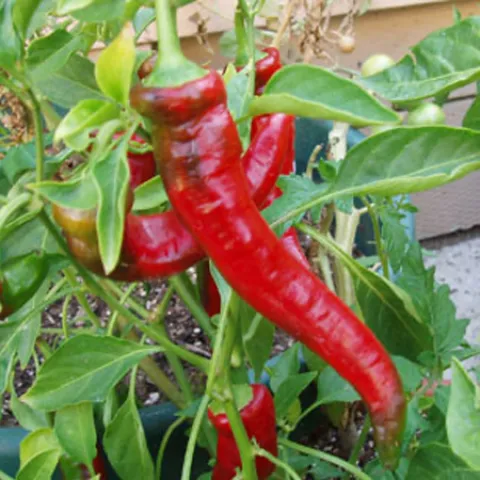
Pepper-Jimmy-Nardello-MG-Jim-Maley
UC Master Gardeners of Santa Clara County: Page

Growing Great Peppers and Chiles

Start your seeds 6 to 8 weeks before you plan to transplant them into the garden. Peppers grow best when the soil is warmed and daytime temperatures are consistently over 75ºF, typically in late April or May in Santa Clara County. Temperatures below 50º to 55ºF cause flowers to abort or the fruits to be…
View Page
Primary Image
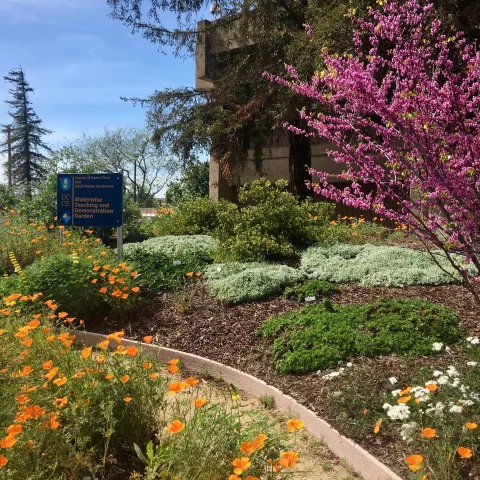
Berger Native Garden, by Rebecca Schoenenberger
UC Master Gardeners of Santa Clara County: Page

Berger Gardens

We have two demonstration gardens outside the Santa Clara County building where the UC Master Gardener offices are located, the Berger Edibles Demo & Teaching Garden and the Berger Native Demonstration Garden.
View Page
UC Master Gardeners of Santa Clara County: Page

Guadalupe Demo Garden and Historic Orchard

Guadalupe Demonstration Garden This garden is a demonstration of how productive a typical 20-by-20-foot plot in a community garden can be.Address: Guadalupe Community Gardens, at the intersection of Asbury Street and Walnut Street, San Jose, CA 95110 (View map)Directions: Our plot is towards the center,…
View Page
Primary Image
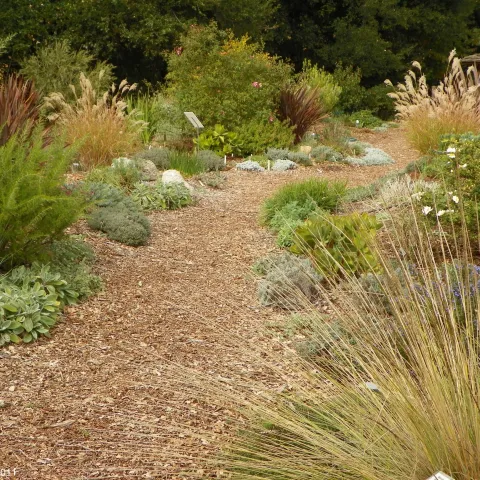
Path through a Waterwise garden bed in the Palo Alto Demonstration Garden
UC Master Gardeners of Santa Clara County: Page

Palo Alto Demo Garden

 Established in 2003, this 7,300-square-foot garden has two distinct areas—the “Edible” Garden and the Water Wise Garden. The former demonstrates edible landscaping using a wide variety of seasonal vegetables, fruits, and flowers, while the latter showcases beautiful landscaping with native and low…
View Page
Primary Image
MCP_June'24
UC Master Gardeners of Santa Clara County: Page

Martial Cottle Park Demonstration Garden and Community Education Center

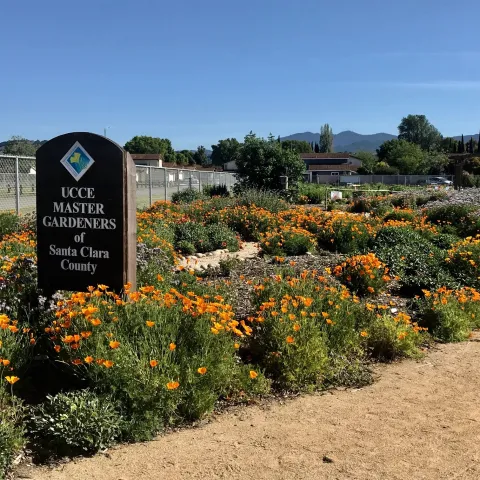
Our four-acre parcel is located within Santa Clara County’s 287-acre Martial Cottle Park, which showcases the agricultural heritage of Santa Clara Valley. Our gardens demonstrate many aspects of home gardening in this region, including native plants, vegetables, fruit trees, and more.
View Page
UC Master Gardeners of Santa Clara County: Page

South County Teaching and Demo Garden

This demonstration garden was moved from St. Louise Hospital in Gilroy to this location in San Martin in 2022, and is currently being developed. We’re in the process of preparing planting beds.
View Page
UC Master Gardeners of Santa Clara County: Page

School Garden Advice Request

Need help with a school garden? Be sure to review the useful school garden advice we have gathered for you.
View Page
Primary Image
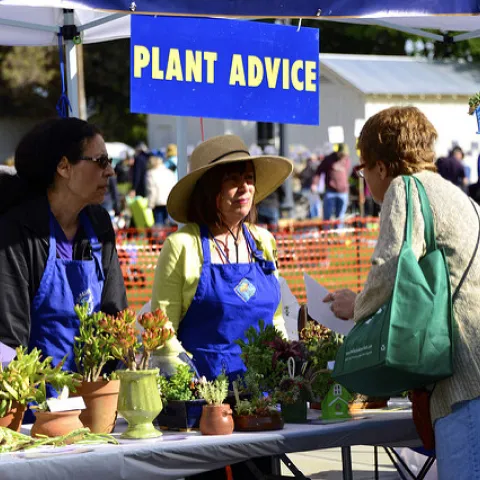
Garden advice table at Master Gardener event
UC Master Gardeners of Santa Clara County: Page

Event Request

Information on how to request UC Master Gardeners support at your Santa Clara County event.
View Page