A Natural Solution for California's Herds: African Catfish Peptides

California's cattle producers and agricultural communities are all too familiar with the rising challenge of antibiotic resistance, making common bacterial infections harder to treat in livestock. But imagine a future where we could tackle these infections with a natural, powerful alternative. Our research points to just that: antimicrobial peptides (AMPs) found in African catfish.

We're really excited about these peptides because African catfish thrive in pathogen-rich freshwater, naturally producing these robust immune compounds in their skin mucus as a defense. This natural origin makes them highly appealing alternatives to synthetic drugs.

Predicted Safety and Potent Action

One of the most compelling aspects of these AMPs is their predicted safety for mammals. Our initial computer analyses suggest that various catfish AMPs are generally recognized as safe (GRAS). We predict they'll be absorbed in the human intestine without causing liver, brain, or heart toxicity. Furthermore, lab tests on a promising peptide, NACAP-II, confirmed it was non-hemolytic, meaning it didn't damage rabbit red blood cells—a strong indicator of its potential safety for mammalian cells.

Beyond safety, these peptides demonstrate effectiveness against problematic bacteria. One study revealed NACAP-II's strong activity against Extended-Spectrum Beta-Lactamase (ESBL)-producing Escherichia coli—a critical concern for both animal and human health due to its resistance to many common antibiotics. Another peptide, ACAP-IV, also showed antibacterial activity against E. coli and Staphylococcus aureus. We believe these AMPs work by directly disrupting bacterial cell membranes, a mechanism that makes it harder for bacteria to develop resistance compared to how they resist traditional antibiotics.
UC Master Gardeners of Santa Clara County: Page

Tips & Events Newsletter

Garden HelpOur popular, once-a-month Tips & Events newsletter includes timely gardening tips, reminders about important garden tasks, alerts to possible pests, and a list of our upcoming talks, plant sales, and other events. Sign up below. You can also browse past tips or past newsletters.Browse our tips…
View Page
Primary Image
SMall chalkboard with he words "Gardening Tips" handwritten on it
UC Master Gardeners of Santa Clara County: Page

April Tips

April gardening tips for Santa Clara County, categorized by To-Dos, What to Plant, or Pests and Diseases. Tips are available for each month, as well as tips that are applicable for every month.
View Page
UC Master Gardeners of Santa Clara County: Page

Tomato Tips

Here's a listing of all our tomato tips. For more information about caring for tomatoes and the most common problems, refer to the UC Pest Site page on tomatoes.
View Page
Primary Image
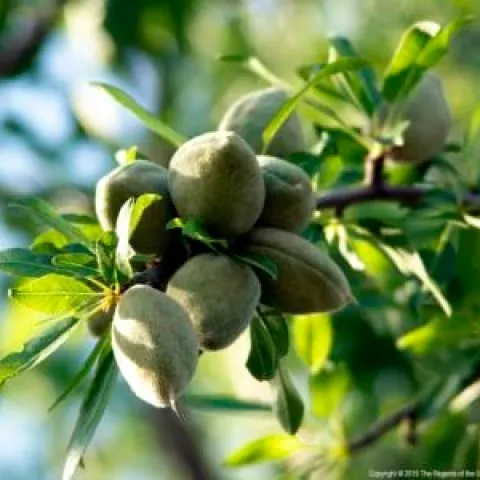
Almonds on tree
UC Master Gardeners of Santa Clara County: Page

Almond

When to plant: January to early February Harvest window: August to October, depending on variety Fertilization: Nitrogen in spring, additional applications based on tree age, health, and soil quality Prune in early winter (December to January)
View Page
Primary Image
Avocado on tree
UC Master Gardeners of Santa Clara County: Page

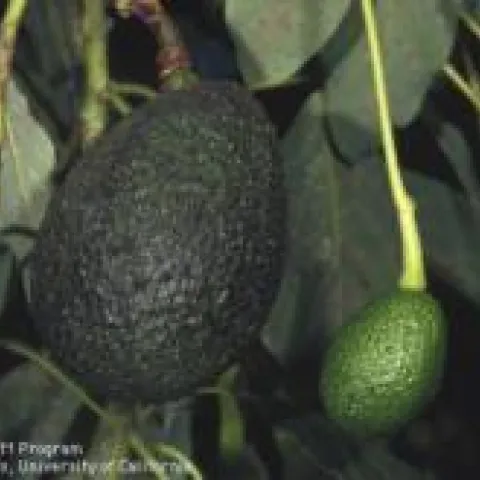
Avocado

When to plant: March to April (after last frost date) Harvest window: Varies widely depending on variety Fertilization: Nitrogen throughout the growing season; iron, zinc, and other nutrients may be needed Train young trees to promote lateral growth.
View Page
Primary Image
Garden soil held in open hands
UC Master Gardeners of Santa Clara County: Page

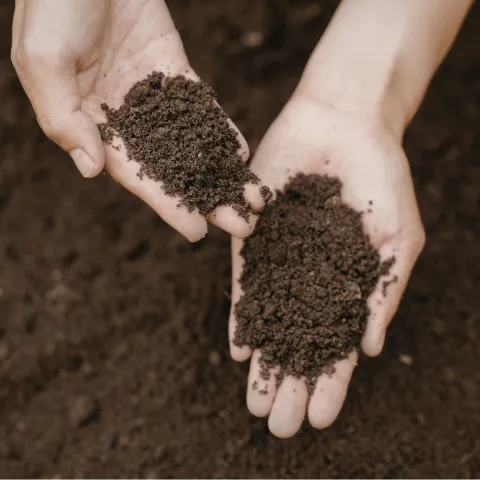
Soil Testing

Soil testing isn’t always needed, but when you want to have one done, this page provides options about how to do it.
View Page
Primary Image
SMall chalkboard with he words "Gardening Tips" handwritten on it
UC Master Gardeners of Santa Clara County: Page

March Tips

March gardening tips for Santa Clara County, categorized by To-Dos, What to Plant, or Pests and Diseases. Tips are available for each month, as well as tips that are applicable for every month.
View Page
Primary Image
UCCE_Kiwifruit
UC Master Gardeners of Santa Clara County: Page

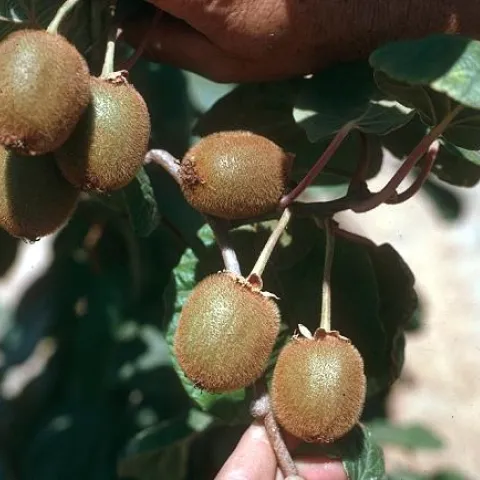
Kiwifruit

When to plant: January to March (bareroot) Harvest window: October to November, depending on variety Fertilization: Regular nitrogen feeding during the first half of the growing season Provide a sturdy trellis or arbor for the wide-spreading (up to 30 feet) deciduous vine.
View Page
Primary Image
UCANR_Cherries
UC Master Gardeners of Santa Clara County: Page

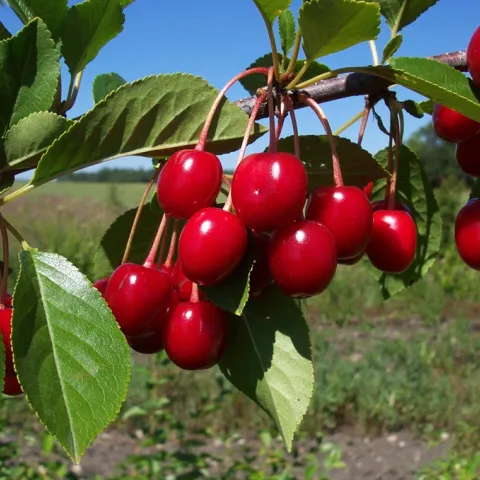
Cherry

When to plant: January to early February Harvest window: May through June, depending on variety Fertilization: Nitrogen in spring and post-harvest, additional applications based on tree age, health, and soil quality Prune dead and diseased branches, and roughly 10% of new growth in late summer
View Page
Primary Image
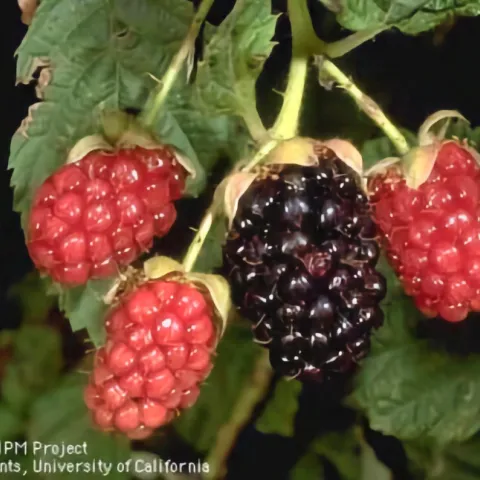
Blackberries
UC Master Gardeners of Santa Clara County: Page

Berries

When to plant: Blackberries and Raspberries: mid-January to March Strawberries: late August (summer plantings) or late October (winter plantings) Harvest window: May through September, depending on the variety Fertilization: Nitrogen in spring, additional applications as needed.
View Page