A Natural Solution for California's Herds: African Catfish Peptides

California's cattle producers and agricultural communities are all too familiar with the rising challenge of antibiotic resistance, making common bacterial infections harder to treat in livestock. But imagine a future where we could tackle these infections with a natural, powerful alternative. Our research points to just that: antimicrobial peptides (AMPs) found in African catfish.

We're really excited about these peptides because African catfish thrive in pathogen-rich freshwater, naturally producing these robust immune compounds in their skin mucus as a defense. This natural origin makes them highly appealing alternatives to synthetic drugs.

Predicted Safety and Potent Action

One of the most compelling aspects of these AMPs is their predicted safety for mammals. Our initial computer analyses suggest that various catfish AMPs are generally recognized as safe (GRAS). We predict they'll be absorbed in the human intestine without causing liver, brain, or heart toxicity. Furthermore, lab tests on a promising peptide, NACAP-II, confirmed it was non-hemolytic, meaning it didn't damage rabbit red blood cells—a strong indicator of its potential safety for mammalian cells.

Beyond safety, these peptides demonstrate effectiveness against problematic bacteria. One study revealed NACAP-II's strong activity against Extended-Spectrum Beta-Lactamase (ESBL)-producing Escherichia coli—a critical concern for both animal and human health due to its resistance to many common antibiotics. Another peptide, ACAP-IV, also showed antibacterial activity against E. coli and Staphylococcus aureus. We believe these AMPs work by directly disrupting bacterial cell membranes, a mechanism that makes it harder for bacteria to develop resistance compared to how they resist traditional antibiotics.

Primary Image
Water use in the landscape and garden conservation tips
UC Master Gardener Program of Sonoma County: Page

Water in the Landscape

Correct awareness of our consumption and use of water are the key factors that affect water use behavior. We can efficiently provide water to our plants in ways that allow us to have a beautiful garden and landscape while minimizing our use of water. Managing water use for plants changes throughout the year…
View Page
Primary Image
succulents in the Sonoma County home garden
UC Master Gardener Program of Sonoma County: Page

Succulents

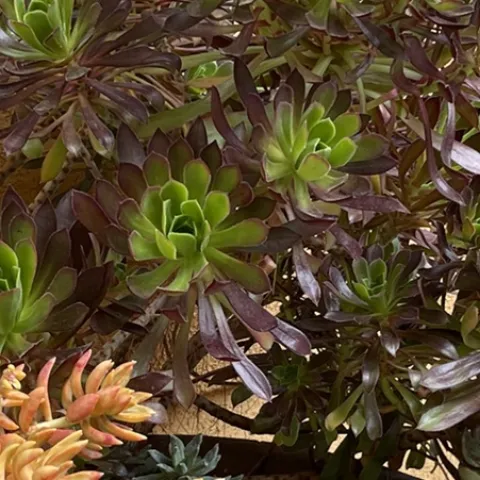
Succulents are well adapted to Northern California's dry and mild Mediterranean climate. Many are an easy-care plant suitable for any Sonoma County garden
View Page
Primary Image
Expert advice for gardening in a drought
UC Master Gardener Program of Sonoma County: Page

Gardening and Drought

 Prioritize Your PlantsHigh priority plants are usually trees and shrubs that provide shade, are expensive to replace, and take a long time to mature.Medium priority plants are groundcovers, perennials (edibles, herbs, and flowers), and vines that grow quickly and are usually inexpensive to replace.Low…
View Page
Primary Image
How to manage your home garden drip system
UC Master Gardener Program of Sonoma County: Page

Drip irrigation management

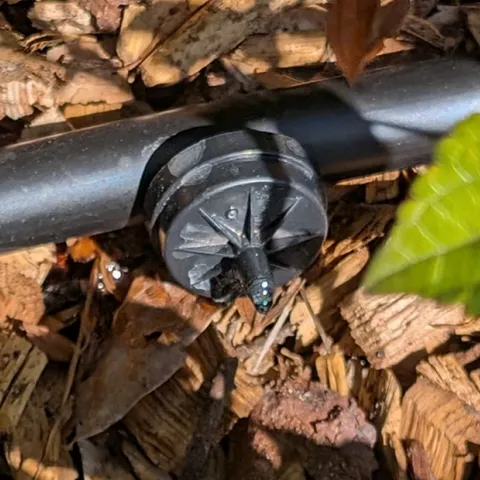
How to manage your drip irrigation system Irrigation control systems are used to ensure a desired level of moisture is maintained for the plants with or without the presence of a human operator. Beyond the basic components of a drip system, there are ways to manage the system as a whole.
View Page
UC Master Gardener Program of Sonoma County: Page

Los Guilicos Demonstration and Teaching Garden announcement

University of California and County of Sonoma sign license agreement for Sonoma Valley parcel A new project Sonoma County Master Gardener volunteers have committed to will feature youth education and sustainable home gardening best practices for residents of Sonoma County.
View Page
UC Master Gardener Program of Sonoma County: Page

Raised beds

Wondering how to bring life to an old raised bed? Its spring and time to plant warm-season vegetables. Assuming that your vegetable bed receives full sunlight (six to eight hours), you can get started right away. Here are a few things to consider before you begin.
View Page
UC Master Gardener Program of Sonoma County: Page

Food Gardening Resources

Growing Vegetables Sustainable Food Gardening Enriching Garden Soil No-Till Food Gardening Vegetable, Fruit and Herb Articles Monthly Food Gardening Tasks & Tips Food Gardening with Less Water Food Gardening in a Drought How Much Water Does My Food Garden Need?
View Page
UC Master Gardener Program of Sonoma County: Page

Native Shrubs for Foliage

A great benefit of planting evergreen species is the constant, eye-appealing bulk and color they steadfastly exhibit every month of the year.
View Page