A Natural Solution for California's Herds: African Catfish Peptides

California's cattle producers and agricultural communities are all too familiar with the rising challenge of antibiotic resistance, making common bacterial infections harder to treat in livestock. But imagine a future where we could tackle these infections with a natural, powerful alternative. Our research points to just that: antimicrobial peptides (AMPs) found in African catfish.

We're really excited about these peptides because African catfish thrive in pathogen-rich freshwater, naturally producing these robust immune compounds in their skin mucus as a defense. This natural origin makes them highly appealing alternatives to synthetic drugs.

Predicted Safety and Potent Action

One of the most compelling aspects of these AMPs is their predicted safety for mammals. Our initial computer analyses suggest that various catfish AMPs are generally recognized as safe (GRAS). We predict they'll be absorbed in the human intestine without causing liver, brain, or heart toxicity. Furthermore, lab tests on a promising peptide, NACAP-II, confirmed it was non-hemolytic, meaning it didn't damage rabbit red blood cells—a strong indicator of its potential safety for mammalian cells.

Beyond safety, these peptides demonstrate effectiveness against problematic bacteria. One study revealed NACAP-II's strong activity against Extended-Spectrum Beta-Lactamase (ESBL)-producing Escherichia coli—a critical concern for both animal and human health due to its resistance to many common antibiotics. Another peptide, ACAP-IV, also showed antibacterial activity against E. coli and Staphylococcus aureus. We believe these AMPs work by directly disrupting bacterial cell membranes, a mechanism that makes it harder for bacteria to develop resistance compared to how they resist traditional antibiotics.
UC Master Gardener Program of Sonoma County: Page

Sowing Planting Calculation

HOW TO CALCULATE FALL GARDEN SOWING/PLANTING DATES Objective: Bring cool-weather crops to maturity (semi-hardy crops) or, at least, near-maturity (cold-hardy crops) before the sooner of a) the first average frost/freeze date or b) November 18 (which is the last day in Sonoma County with 10 or more h...
View Page
UC Master Gardener Program of Sonoma County: Page

Master Food Preserver Resources

Prepared by Kathleen Fitzgerald-Orr, Certified Master Food Preserver, UC Master Food Preserver Program of Sonoma County. The National Center for Home Food Preservation website. This is your source for current research-based recommendations for most methods of home food preservation.
View Page
UC Master Gardener Program of Sonoma County: Page

Elaine’s Tomato Bibliography and Resources

Tomato Bibliography Starred (*) books are available through the Sonoma County Library system. Other books are in WorldCat and may be available for interlibrary loan through your local library. *Albert, Stephen, The Kitchen Garden Growers Guide, Booksurge, 2008.
View Page
UC Master Gardener Program of Sonoma County: Page

Tomatoes Q&A, 4/13/21

Tomato Veggie Happening, April 13, 2021 We were unable to respond to all of the questions during our April Zoom event. Therefore, we are sharing answers to questions addressed and not addressed during the Q&A portion of the Zoom event.
View Page
Primary Image
California native plants that make excellent garden ground covers
UC Master Gardener Program of Sonoma County: Page

Native Groundcovers

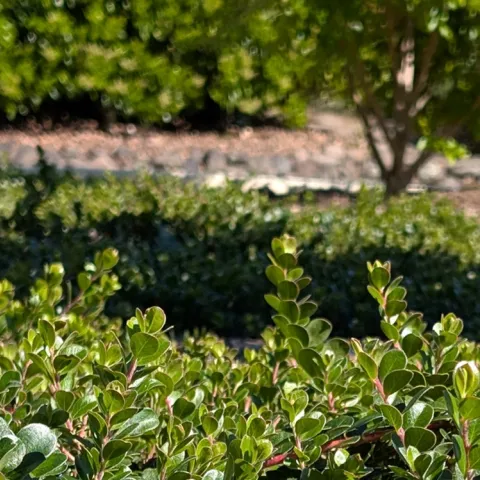
Many California native plants are excellent and attractive options for covering broad expanses or limited areas of ground. There are species for sun or shade, some with showy seasonal blooms, others with dramatic foliage, ground-hugging perennials for a walk-on surface, and fast-spreading shrubs for covering…
View Page
Primary Image
Applications open for Sonoma County Master Gardener Program
UC Master Gardener Program of Sonoma County: Page

Become a Master Gardener

If you are committed to sharing and teaching information to others, the Master Gardeners of Sonoma County offer you the opportunity to learn and to use your knowledge of gardening to serve the community.
View Page
UC Master Gardener Program of Sonoma County: Page

Drought Strategies for a Fall Food Garden

In years with ample rainfall, gardeners can choose from a broad palette of food crops for planting in late summer for fall and winter harvests. But with an especially hot and dry summer expected to last into early fall or longer, it makes sense to tailor late-season planting for drought conditions.
View Page
UC Master Gardener Program of Sonoma County: Page

Resources for Preserving Tomatoes

Prepared by Kathleen Fitzgerald-Orr, Certified Master Food Preserver, UC Master Food Preserver Program of Sonoma County.
View Page
UC Master Gardener Program of Sonoma County: Page

Petaluma Library Garden

Next to the main entrance to the Sonoma County Regional Library, the Petaluma Library Garden is habitat for birds, butterflies and other beneficial insects and critters.
View Page
Primary Image
growing celeriac celery root in Sonoma County gardens
UC Master Gardener Program of Sonoma County: Page

Celeriac

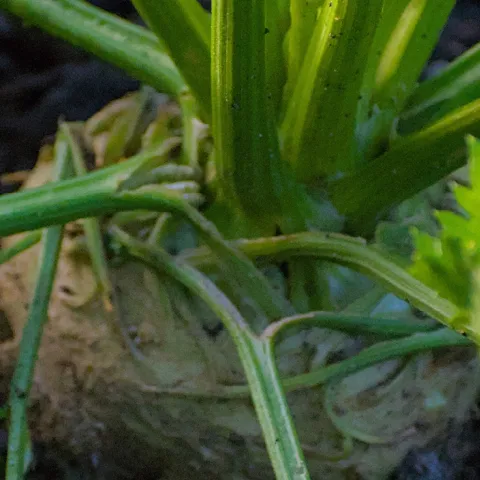
Tips for growing root celeriac in the Sonoma County home garden; this odd-shaped root vegetable related to celery, carrots, parsley, and parsnips has starchy flesh similar to potatoes. Its subtle, celery-like flavor has nutty overtones, often described as a cross between celery leaves and parsley.
View Page