A Natural Solution for California's Herds: African Catfish Peptides

California's cattle producers and agricultural communities are all too familiar with the rising challenge of antibiotic resistance, making common bacterial infections harder to treat in livestock. But imagine a future where we could tackle these infections with a natural, powerful alternative. Our research points to just that: antimicrobial peptides (AMPs) found in African catfish.

We're really excited about these peptides because African catfish thrive in pathogen-rich freshwater, naturally producing these robust immune compounds in their skin mucus as a defense. This natural origin makes them highly appealing alternatives to synthetic drugs.

Predicted Safety and Potent Action

One of the most compelling aspects of these AMPs is their predicted safety for mammals. Our initial computer analyses suggest that various catfish AMPs are generally recognized as safe (GRAS). We predict they'll be absorbed in the human intestine without causing liver, brain, or heart toxicity. Furthermore, lab tests on a promising peptide, NACAP-II, confirmed it was non-hemolytic, meaning it didn't damage rabbit red blood cells—a strong indicator of its potential safety for mammalian cells.

Beyond safety, these peptides demonstrate effectiveness against problematic bacteria. One study revealed NACAP-II's strong activity against Extended-Spectrum Beta-Lactamase (ESBL)-producing Escherichia coli—a critical concern for both animal and human health due to its resistance to many common antibiotics. Another peptide, ACAP-IV, also showed antibacterial activity against E. coli and Staphylococcus aureus. We believe these AMPs work by directly disrupting bacterial cell membranes, a mechanism that makes it harder for bacteria to develop resistance compared to how they resist traditional antibiotics.
Primary Image
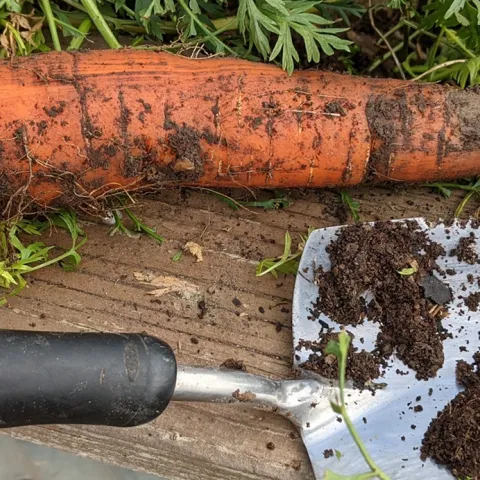
monthly food garden tips for Sonoma County
UC Master Gardener Program of Sonoma County: Page

Food Gardening Tasks and Tips by Month

Food Gardening Tasks and Tips for each month in Sonoma County home gardeners. Click on the month for the list of key tasks for a healthy food garden.
View Page
Primary Image
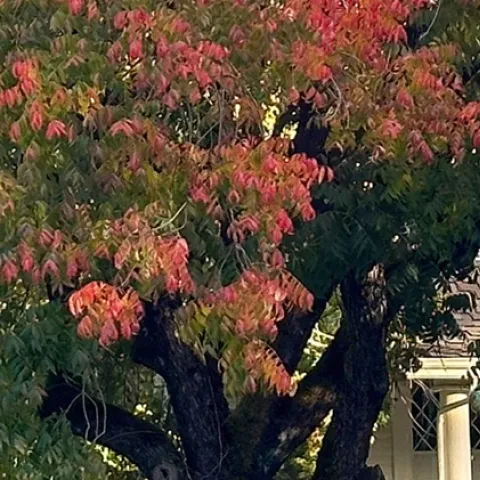
Climate forward trees for Sonoma County
UC Master Gardener Program of Sonoma County: Page

Climate Forward Trees

In 2021 the University of California Master Gardener Program of Sonoma County partnered with the City of Santa Rosa to develop a recommend palette of tree species that are likely to thrive in our projected climate in the years 2050-2100.
View Page
UC Master Gardener Program of Sonoma County: Page

Sustainable Food Gardening

The Food Gardening Specialists of the UC Master Garden Program of Sonoma County provide science-based horticultural information and teach home and community gardeners how to grow food sustainably. The emphasis is on using practices that will not compromise future conditions of the environment.
View Page
UC Master Gardener Program of Sonoma County: Page

Right crop, Right place, Right Time

Planting the right plant in the right place is an important sustainable gardening practice in any landscape. But, when food gardening, the right time also is essential.
View Page
UC Master Gardener Program of Sonoma County: Page

Peppers in a drought

Peppers require full sun, warm soil and water to flourish. The soil should be 65 degrees and night time temperatures should stay above 60 degrees.
View Page
Primary Image
Best California Native Trees for Home Gardens
UC Master Gardener Program of Sonoma County: Page

Native Trees

Trees are the most imposing aspect of a native landscape whether they dominate wildlands or open to vistas. They are also a valued aesthetic in home gardens and in urban and suburban open spaces as they provide shade from harsh sun or simply add beauty with foliage, bark, and flowers.
View Page
UC Master Gardener Program of Sonoma County: Page

Celebrating 40 Years of Growing Success!

Forty Years of Growing Success During 2022, the University of California Master Gardener Program of Sonoma County (UCMGSC) celebrated a key milestone: Forty successful years of providing home gardening information to Sonoma County residents.
View Page
UC Master Gardener Program of Sonoma County: Page

Native Perennials

Of the many native perennials that succeed in home gardens, a few dozen have become reliable favorites.
View Page
UC Master Gardener Program of Sonoma County: Page

Salvia (Non-Native Ornamentals)

The genus Salvia, a member of the mint family (Lamiaceae), is one of the largest and most versatile groups of plants suited to Sonoma County gardens. The challenge in selecting species or cultivars is to choose those most at home in our summer-dry, winter-wet climate.
View Page
UC Master Gardener Program of Sonoma County: Page

Native Grasses

Some gardeners shy away from including grasses in a garden, thinking they may be too large or labor intensive to maintain. But with only two exceptions, all grasses listed here are considered small- or medium-size and few require annual pruning; some need no pruning at all.
View Page