A Natural Solution for California's Herds: African Catfish Peptides

California's cattle producers and agricultural communities are all too familiar with the rising challenge of antibiotic resistance, making common bacterial infections harder to treat in livestock. But imagine a future where we could tackle these infections with a natural, powerful alternative. Our research points to just that: antimicrobial peptides (AMPs) found in African catfish.

We're really excited about these peptides because African catfish thrive in pathogen-rich freshwater, naturally producing these robust immune compounds in their skin mucus as a defense. This natural origin makes them highly appealing alternatives to synthetic drugs.

Predicted Safety and Potent Action

One of the most compelling aspects of these AMPs is their predicted safety for mammals. Our initial computer analyses suggest that various catfish AMPs are generally recognized as safe (GRAS). We predict they'll be absorbed in the human intestine without causing liver, brain, or heart toxicity. Furthermore, lab tests on a promising peptide, NACAP-II, confirmed it was non-hemolytic, meaning it didn't damage rabbit red blood cells—a strong indicator of its potential safety for mammalian cells.

Beyond safety, these peptides demonstrate effectiveness against problematic bacteria. One study revealed NACAP-II's strong activity against Extended-Spectrum Beta-Lactamase (ESBL)-producing Escherichia coli—a critical concern for both animal and human health due to its resistance to many common antibiotics. Another peptide, ACAP-IV, also showed antibacterial activity against E. coli and Staphylococcus aureus. We believe these AMPs work by directly disrupting bacterial cell membranes, a mechanism that makes it harder for bacteria to develop resistance compared to how they resist traditional antibiotics.
UC Master Gardener Program of Sonoma County: Page

Potatoes

Of more than 4,000 known varieties of potatoes, only about 100 are commercially marketed and sold in produce markets. While it is impossible for home gardeners to explore all the rest, nurseries and seed catalogs offer dozens of quality possibilities for growing in home gardens.
View Page
UC Master Gardener Program of Sonoma County: Page

Sweet Potatoes

In produce markets, sweet potatoes are often labeled as yams, but the two are not the same and have very different tastes and textures. In general, sweet potatoes have a moist, sweet interior whereas yams are starchier, more like true potatoes.
View Page
UC Master Gardener Program of Sonoma County: Page

The Long Month of December

Sonoma County is a great place to live. If we are so inclined, we can food garden all year. Each month there are vegetables that can be planted along with many hardy herbs.
View Page
UC Master Gardener Program of Sonoma County: Page

Onions

Onions vary considerably in several ways, prompting gardeners to make selections carefully. There are differences in color, pungency or sweetness, bulb size and shape, and suitability for storage.
View Page
UC Master Gardener Program of Sonoma County: Page

Winter Herbs Indoors

When annual herbs disappear from garden beds and perennials are cut back for a rest, indoor herb gardens bring freshness and flavor to the kitchen. Making a few adjustments to their care is all it takes to keep favorite herbs at hand for clipping.
View Page
UC Master Gardener Program of Sonoma County: Page

Rhubarb

Somewhat surprisingly, rhubarb is a member of the buckwheat (Polygonaceae) family. It traveled west from central Asia with Marco Polo and was brought to North America by Benjamin Franklin. Its unique tangy flavor is sometimes enjoyed sweetened as a relish but more often in pies and desserts.
View Page
Primary Image
Garden Sense program of Sonoma County
UC Master Gardener Program of Sonoma County: Page

Garden Sense

Free home garden consultations to create a beautiful low water use garden offered by the UC Master Gardener Program of Sonoma County in partnership with Sonoma Water and the Sonoma-Marin Saving Water Partnership.
View Page
UC Master Gardener Program of Sonoma County: Page

Tarragon

Tarragon is one of the four ingredientsalong with parsley, chives and chervil in fines herbes used in classic French cooking, but it can stand on its own as an aromatic flavoring for meat, fish, eggs, and many vegetable dishes. Plants must be acquired carefully to avoid those that lack flavor.
View Page
Primary Image
tips for growing carrots in your home food garden
UC Master Gardener Program of Sonoma County: Page

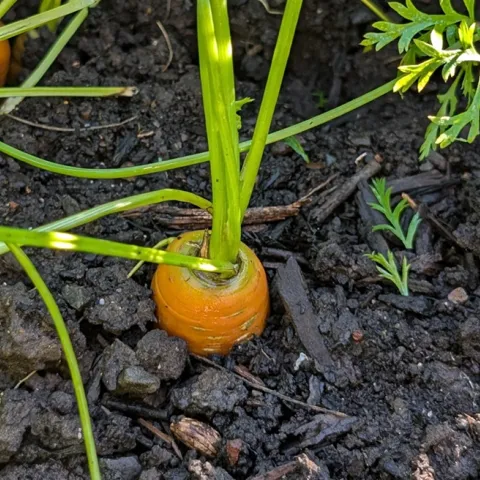
Carrots

Carrots have been a staple food for centuries in Europe, Africa, and Asia for their easy care, nutritive value, and versatility in food preparation. Their rainbow of colors attracts gardeners today, a feature popular with children for snacking and growing in school and home gardens.
View Page