A Natural Solution for California's Herds: African Catfish Peptides

California's cattle producers and agricultural communities are all too familiar with the rising challenge of antibiotic resistance, making common bacterial infections harder to treat in livestock. But imagine a future where we could tackle these infections with a natural, powerful alternative. Our research points to just that: antimicrobial peptides (AMPs) found in African catfish.

We're really excited about these peptides because African catfish thrive in pathogen-rich freshwater, naturally producing these robust immune compounds in their skin mucus as a defense. This natural origin makes them highly appealing alternatives to synthetic drugs.

Predicted Safety and Potent Action

One of the most compelling aspects of these AMPs is their predicted safety for mammals. Our initial computer analyses suggest that various catfish AMPs are generally recognized as safe (GRAS). We predict they'll be absorbed in the human intestine without causing liver, brain, or heart toxicity. Furthermore, lab tests on a promising peptide, NACAP-II, confirmed it was non-hemolytic, meaning it didn't damage rabbit red blood cells—a strong indicator of its potential safety for mammalian cells.

Beyond safety, these peptides demonstrate effectiveness against problematic bacteria. One study revealed NACAP-II's strong activity against Extended-Spectrum Beta-Lactamase (ESBL)-producing Escherichia coli—a critical concern for both animal and human health due to its resistance to many common antibiotics. Another peptide, ACAP-IV, also showed antibacterial activity against E. coli and Staphylococcus aureus. We believe these AMPs work by directly disrupting bacterial cell membranes, a mechanism that makes it harder for bacteria to develop resistance compared to how they resist traditional antibiotics.
UC Master Gardener Program of Sonoma County: Page

Helianthus (Sunflowers)

Sunflowers in the Asteraceae family are easy to grow and favored as highlights in summer gardens. With spectacular heights and blossoms that turn their heads to follow the sun, they have also become a sought-after element for involving children in gardening.
View Page
UC Master Gardener Program of Sonoma County: Page

Lavandula (Lavender)

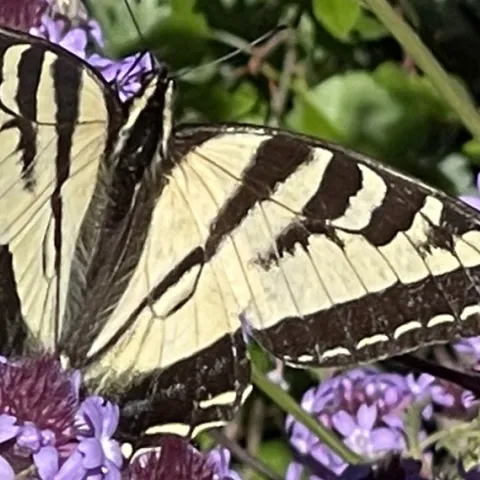
Native to European Mediterranean regions, lavender is an easy-to-grow favorite for Sonoma County gardeners. It is impressively deer resistant and requires little water. Snails shun it. Bees and butterflies love it. Flower wands give a lovely fresh scent to any room.
View Page
UC Master Gardener Program of Sonoma County: Page

Phlomis (Jerusalem Sage)

While many California natives and Mediterranean flora are drought tolerant during our long dry season, a preponderance of these is not summer-bloominga goal sought after by a good many gardeners.
View Page
UC Master Gardener Program of Sonoma County: Page

Borage

Borage grows so easily in both the vegetable and ornamental garden that, once established, it self-sows and appears again and again. Star-shaped blossoms in shades of blue, cucumber-flavored leaves and stems, and fast-growing seedall make borage welcome in gardens.
View Page
Primary Image
Home garden plant information and articles for Sonoma County
UC Master Gardener Program of Sonoma County: Page

Plant Articles

When selecting garden plants, know that you can minimize maintenance needs and future plant problems when you place the right plant in the right place.
View Page
Primary Image
why plant california native plants in your home garden
UC Master Gardener Program of Sonoma County: Page

Why Plant Natives?

A plant is considered native to the area where you live if it existed there naturally before any exotic ones came to California with European immigrants. True natives have existed in specific ecosystems for millennia, evolving with insects and other animal life.
View Page
Primary Image
Information on how to remove grass lawn for replanting a home landscape
UC Master Gardener Program of Sonoma County: Page

Grass Removal Methods

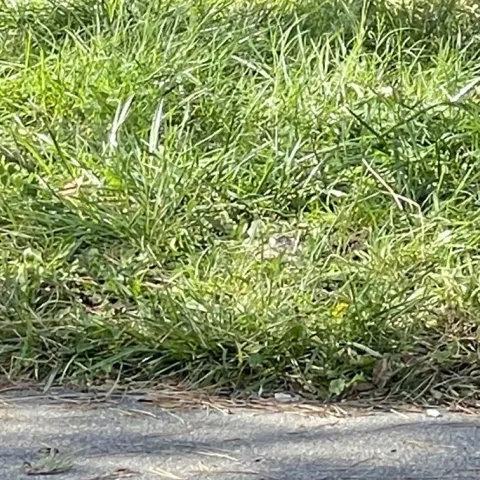
Removing a Lawn Repeated droughts have motivated people to replace their lawns with alternatives that use less water. Sounds great, but what is the best way to remove your lawn? Listed below are several ways to remove turfgrass.
View Page
Primary Image
Tips for plants that grow well under oak trees
UC Master Gardener Program of Sonoma County: Page

Planting Under Oaks

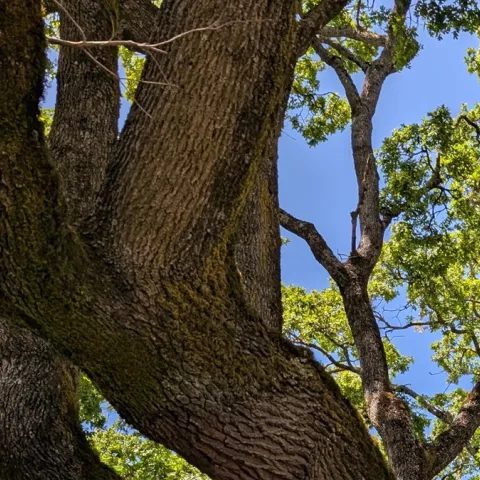
Guidelines for planting under or around oaks and suggested plant for under and around both evergreen and deciduous oak trees. Where oaks grow natively, whether standing alone or in a mixed woodland, the ground beneath is home to very few understory plants. Learn how to safely garden under oaks.
View Page
UC Master Gardener Program of Sonoma County: Page

Nepeta (Catmint)

The genus Nepeta is a member of the mint family (Lamiaceae) and is made up of approximately 250 perennial species native to a variety of habitats, ranging from Mediterranean regions to Western Asia.
View Page