A Natural Solution for California's Herds: African Catfish Peptides

California's cattle producers and agricultural communities are all too familiar with the rising challenge of antibiotic resistance, making common bacterial infections harder to treat in livestock. But imagine a future where we could tackle these infections with a natural, powerful alternative. Our research points to just that: antimicrobial peptides (AMPs) found in African catfish.

We're really excited about these peptides because African catfish thrive in pathogen-rich freshwater, naturally producing these robust immune compounds in their skin mucus as a defense. This natural origin makes them highly appealing alternatives to synthetic drugs.

Predicted Safety and Potent Action

One of the most compelling aspects of these AMPs is their predicted safety for mammals. Our initial computer analyses suggest that various catfish AMPs are generally recognized as safe (GRAS). We predict they'll be absorbed in the human intestine without causing liver, brain, or heart toxicity. Furthermore, lab tests on a promising peptide, NACAP-II, confirmed it was non-hemolytic, meaning it didn't damage rabbit red blood cells—a strong indicator of its potential safety for mammalian cells.

Beyond safety, these peptides demonstrate effectiveness against problematic bacteria. One study revealed NACAP-II's strong activity against Extended-Spectrum Beta-Lactamase (ESBL)-producing Escherichia coli—a critical concern for both animal and human health due to its resistance to many common antibiotics. Another peptide, ACAP-IV, also showed antibacterial activity against E. coli and Staphylococcus aureus. We believe these AMPs work by directly disrupting bacterial cell membranes, a mechanism that makes it harder for bacteria to develop resistance compared to how they resist traditional antibiotics.
UC Master Gardener Program of Sonoma County: Page

Meyer Lemon

When given protection during very cold winters, Meyer lemon is the most dependable citrus for thriving in Sonoma County.
View Page
Primary Image
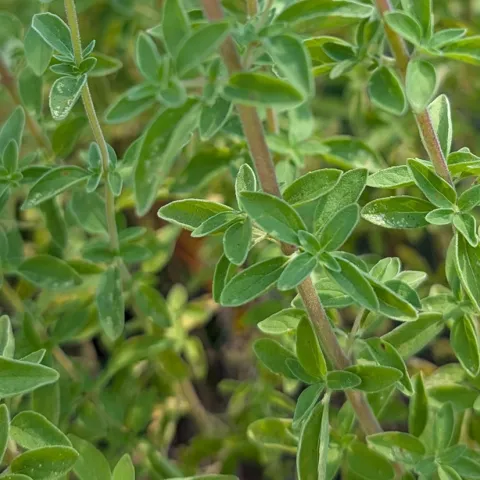
Oregano and Sweet Marjoram expert garden and use tips
UC Master Gardener Program of Sonoma County: Page

Oregano & Sweet Marjoram

Oregano and sweet marjoram are closely related perennial, culinary herbs. Both are cultivated for their aromatic leaves used fresh or dried as seasoning in many regional cuisines. They are often used interchangeably. Marjoram is a milder and sweeter alternative to spicier oregano.
View Page
Primary Image
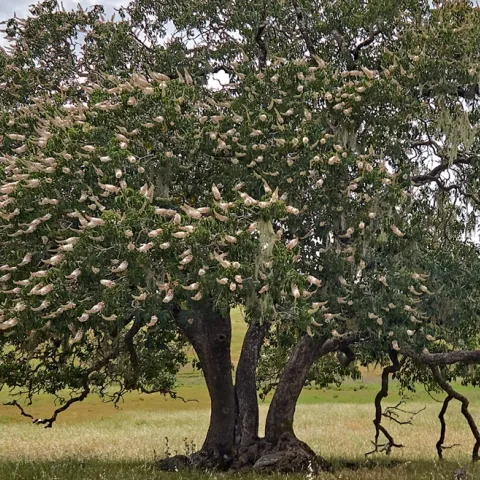
California Buckeye in bloom
UC Master Gardener Program of Sonoma County: Page

Aesculus californica - California buckeye

The Bisexual California Buckeye sinner or survivalist? A June 2012 article in the Huffington Post announced, in a bold, attention grabbing headline, Ohio Man Demands State Revoke 'Bisexual' Buckeye's Status As State Tree.
View Page
Primary Image
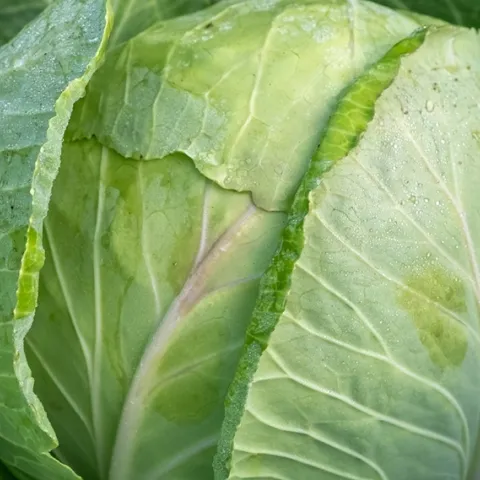
Information on how to successfully grow cabbage in your garden
UC Master Gardener Program of Sonoma County: Page

Cabbage

Cabbage is a highly nutritious, hardy, easy-to-grow, cool weather vegetable with a long storage life. Growth is best where the cool season is long with mild temperatures between 45 and 75 degrees.
View Page
Primary Image
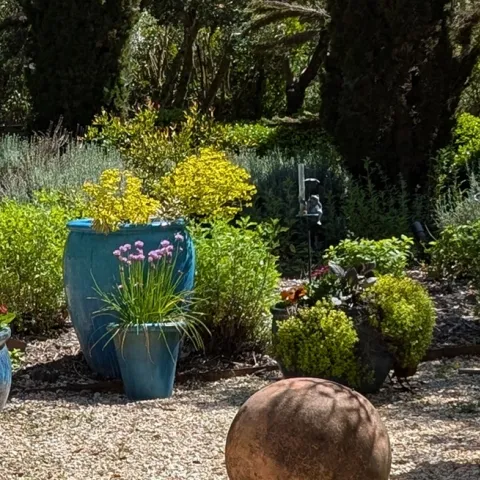
lawn replacement tips Sonoma County
UC Master Gardener Program of Sonoma County: Page

Lawn Replacement

Lawns don't really belong in a summer-dry Mediterranean climate like Sonoma County. Tips for removal and plant replacement of existing lawns for a beautiful garden.
View Page
Primary Image
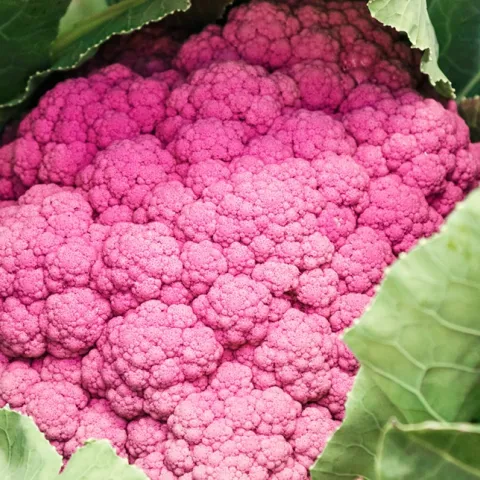
Expert tips to grow cauliflower in Sonoma County home gardens
UC Master Gardener Program of Sonoma County: Page

Cauliflower

Cauliflower is a cole crop in the Brassicaceae (cabbage) family along with broccoli, Brussels sprouts, kale, kohlrabi, and cabbage. Of these, cauliflower is the most sensitive to low and high temperatures and does best when there is moisture in the air.
View Page
UC Master Gardener Program of Sonoma County: Page

Agastache — Hummingbird Mint / Hyssop

Agastache (ah-gah-STAHkey), a member of the mint family (Lamiaceae), is one of the most colorful perennials in the summer and fall garden. Blooming usually lasts until the first hard frost.
View Page
UC Master Gardener Program of Sonoma County: Page

Thyme

As an evergreen perennial accented with masses of tiny flowers, thyme is a welcome addition to an ornamental garden as a shrub or groundcover, but its scented leaves make it indispensable in a collection of culinary herbs. In any location, only a few requirements are needed for thyme to thrive.
View Page
UC Master Gardener Program of Sonoma County: Page

Lonicera (Honeysuckle)

Lonicera, commonly known as honeysuckle, is a member of the large and varied Caprifoliaceae or honeysuckle family. The nearly 200 Lonicera species are all vines or shrubs. Named cultivars offer diverse growth habits and blossom colors.
View Page
UC Master Gardener Program of Sonoma County: Page

Tomatillos

A simple description of tomatillos as green tomatoes in a husk is only partially accurate. Tomatillos are definitely enclosed in a papery husk, and are closely related to tomatoes in the nightshade (Solanaceae) family.
View Page