A Natural Solution for California's Herds: African Catfish Peptides

California's cattle producers and agricultural communities are all too familiar with the rising challenge of antibiotic resistance, making common bacterial infections harder to treat in livestock. But imagine a future where we could tackle these infections with a natural, powerful alternative. Our research points to just that: antimicrobial peptides (AMPs) found in African catfish.

We're really excited about these peptides because African catfish thrive in pathogen-rich freshwater, naturally producing these robust immune compounds in their skin mucus as a defense. This natural origin makes them highly appealing alternatives to synthetic drugs.

Predicted Safety and Potent Action

One of the most compelling aspects of these AMPs is their predicted safety for mammals. Our initial computer analyses suggest that various catfish AMPs are generally recognized as safe (GRAS). We predict they'll be absorbed in the human intestine without causing liver, brain, or heart toxicity. Furthermore, lab tests on a promising peptide, NACAP-II, confirmed it was non-hemolytic, meaning it didn't damage rabbit red blood cells—a strong indicator of its potential safety for mammalian cells.

Beyond safety, these peptides demonstrate effectiveness against problematic bacteria. One study revealed NACAP-II's strong activity against Extended-Spectrum Beta-Lactamase (ESBL)-producing Escherichia coli—a critical concern for both animal and human health due to its resistance to many common antibiotics. Another peptide, ACAP-IV, also showed antibacterial activity against E. coli and Staphylococcus aureus. We believe these AMPs work by directly disrupting bacterial cell membranes, a mechanism that makes it harder for bacteria to develop resistance compared to how they resist traditional antibiotics.
UC Master Gardener Program of Sonoma County: Page

Phormium (New Zealand Flax)

Phormium has become a reliable plant for adding year-round drama to a mixed border, poolside, decorative pot, or even a parking strip. Long, linear leaves of this evergreen perennial come in solid colors or with contrasting stripes in all hues except blue.
View Page
UC Master Gardener Program of Sonoma County: Page

Food Gardening Specialists

As Sonoma County Master Gardeners, the Food Gardening Specialist (FGS) projects mission is to provide science-based horticultural information and to teach home and community gardeners how to grow food sustainably.
View Page
UC Master Gardener Program of Sonoma County: Page

Hydrangea quercifolia (Oakleaf Hydrangea)

Hydrangea quercifolia, the oakleaf hydrangea, is a notable exception to the appearance, growth habit, and cultural requirements of mophead and peegee hydrangeas. The latter two types are mostly suited to climates with humid air and summer rains.
View Page
UC Master Gardener Program of Sonoma County: Page

Pistacia chinensis (Chinese Pistache)

Chinese pistache (Pistacia chinensis) provides a blockbuster drama of vibrant orange and red autumn leaves. In full sun with only occasional water requirements once established, its ornamental value is highly valued in home gardens and streetscapes.
View Page
UC Master Gardener Program of Sonoma County: Page

Salvia (Native Sages)

The genus Salvia, a member of the mint family (Lamiaceae), offers Sonoma County gardeners one of the largest and most versatile groups of plants. With some 900 species throughout the world, 100 can be found growing in the U. S., 89 can be found growing wild in California.
View Page
Primary Image
expert tips for growing Asian greens in the Sonoma County home garden
UC Master Gardener Program of Sonoma County: Page

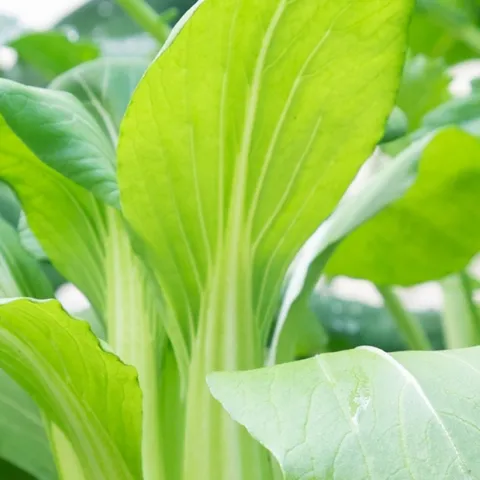
Asian Greens

These leafy vegetables are easy to grow in cool weather, spring or fall, in Sonoma County. Plants in an array of colors enliven the garden in the off-season, often indicating spiciness and aroma in the kitchen. Asian greens are known by alternate plant names in different cultures.
View Page
UC Master Gardener Program of Sonoma County: Page

Drying Herbs

While some flavor loss occurs when herbs are dried, your own dried herbs will be fresher and more pungent than any you can buy at the supermarket. Here are the basics: Spray herbs with water the day before harvesting so leaves will be clean and have time to dry by the next day.
View Page
UC Master Gardener Program of Sonoma County: Page

Rosmarinus (Rosemary)

The botanical name Rosmarinus is derived from old Latin for dew of the sea, possibly for its origins in coastal Mediterranean areas. Rosemary was valued by the ancients as a sacred and medicinal plant and continues to have numerous herbal and culinary uses among many cultural groups.
View Page
UC Master Gardener Program of Sonoma County: Page

Seeding Vegetables Indoors

To get a head start on the vegetable garden before the last frost date on April 15, or May 1 in some Sonoma County areas, many gardeners like to start seeds indoors or in a greenhouse. By potting them up after germination, seedlings can be ready to transplant when the weather turns warm.
View Page