A Natural Solution for California's Herds: African Catfish Peptides

California's cattle producers and agricultural communities are all too familiar with the rising challenge of antibiotic resistance, making common bacterial infections harder to treat in livestock. But imagine a future where we could tackle these infections with a natural, powerful alternative. Our research points to just that: antimicrobial peptides (AMPs) found in African catfish.

We're really excited about these peptides because African catfish thrive in pathogen-rich freshwater, naturally producing these robust immune compounds in their skin mucus as a defense. This natural origin makes them highly appealing alternatives to synthetic drugs.

Predicted Safety and Potent Action

One of the most compelling aspects of these AMPs is their predicted safety for mammals. Our initial computer analyses suggest that various catfish AMPs are generally recognized as safe (GRAS). We predict they'll be absorbed in the human intestine without causing liver, brain, or heart toxicity. Furthermore, lab tests on a promising peptide, NACAP-II, confirmed it was non-hemolytic, meaning it didn't damage rabbit red blood cells—a strong indicator of its potential safety for mammalian cells.

Beyond safety, these peptides demonstrate effectiveness against problematic bacteria. One study revealed NACAP-II's strong activity against Extended-Spectrum Beta-Lactamase (ESBL)-producing Escherichia coli—a critical concern for both animal and human health due to its resistance to many common antibiotics. Another peptide, ACAP-IV, also showed antibacterial activity against E. coli and Staphylococcus aureus. We believe these AMPs work by directly disrupting bacterial cell membranes, a mechanism that makes it harder for bacteria to develop resistance compared to how they resist traditional antibiotics.
UC Master Gardeners of Placer County: Article

HOA Plant List

January 7, 2026
HOA Plant List  COMMON YARROWAchillea millefoliumEMERALD CARPET MANZANITAArctostaphylos 'Emerald Carpet'SUNSET MANZANITAArctostaphylos 'Sunset'DWARF COYOTE BUSHBaccharis pilularis 'Pigeon Point'SEDGECarex praegracilisCONCHA CEANOTHUSCeanothus 'Concha'DARK STAR CEANOTHUSCeanothus 'Dark Star'VALLEY…
View Article
Event Primary Image
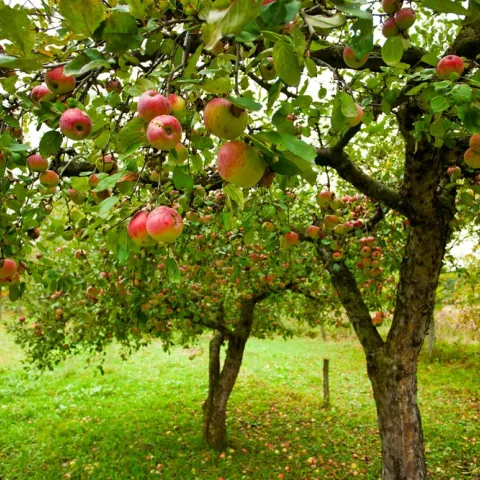
apple tree
Grown in Marin: Event

Organic Apple Orchard Academy

Event Date
Feb 9, 2026

Commercial Fruit Growers Share Practical KnowledgeThe Organic Apple Orchard Academy is a premier virtual event hosted by the IPM Institute of North America and the Organic Fruit Growers Association. This course will benefit anyone interested in learning more about managing a small orchard and will include…
Grown in Marin
View Event
Primary Image
UC Davis Distinguished Professor Bruce Hammock (Photo by Kathy Keatley Garvey)
Bug Squad: Article

Bruce Hammock: We Lost a Legend

January 6, 2026
By Kathy Keatley Garvey
 Bruce Hammock, 1947-2026.I never thought I'd write that. UC Davis Distinguished Professor Bruce Hammock was an amazing scientist--a genius, really--an incredible mentor, and a good friend. He passed on Monday, Jan. 5, at age 78, and the world will never be the same.When I visited his office…
View Article
Primary Image
variety of succulents in varying types of containers
Over the Fence (Alameda County): Article

Container Gardening Basics – What I Wish I Had Known

January 6, 2026
By Judy Quan
 Container gardens are a way of having a garden when space or growing conditions are limited. Containers allow us to have plants indoors or outdoors in areas where in-ground planting is not practical.  Plants usually would rather be in the ground with access to more soil and water.  It is up…
View Article