A Natural Solution for California's Herds: African Catfish Peptides

California's cattle producers and agricultural communities are all too familiar with the rising challenge of antibiotic resistance, making common bacterial infections harder to treat in livestock. But imagine a future where we could tackle these infections with a natural, powerful alternative. Our research points to just that: antimicrobial peptides (AMPs) found in African catfish.

We're really excited about these peptides because African catfish thrive in pathogen-rich freshwater, naturally producing these robust immune compounds in their skin mucus as a defense. This natural origin makes them highly appealing alternatives to synthetic drugs.

Predicted Safety and Potent Action

One of the most compelling aspects of these AMPs is their predicted safety for mammals. Our initial computer analyses suggest that various catfish AMPs are generally recognized as safe (GRAS). We predict they'll be absorbed in the human intestine without causing liver, brain, or heart toxicity. Furthermore, lab tests on a promising peptide, NACAP-II, confirmed it was non-hemolytic, meaning it didn't damage rabbit red blood cells—a strong indicator of its potential safety for mammalian cells.

Beyond safety, these peptides demonstrate effectiveness against problematic bacteria. One study revealed NACAP-II's strong activity against Extended-Spectrum Beta-Lactamase (ESBL)-producing Escherichia coli—a critical concern for both animal and human health due to its resistance to many common antibiotics. Another peptide, ACAP-IV, also showed antibacterial activity against E. coli and Staphylococcus aureus. We believe these AMPs work by directly disrupting bacterial cell membranes, a mechanism that makes it harder for bacteria to develop resistance compared to how they resist traditional antibiotics.

Primary Image
Shiny logo
Informatics and GIS Program: Page

Building Decision Support Web Apps with R/Shiny

February 12, 2026. This hands-on workshop will provide an introduction to Shiny including the principles of reactive programming, fundamentals of UI design, and deployment options.
View Page
Event Primary Image
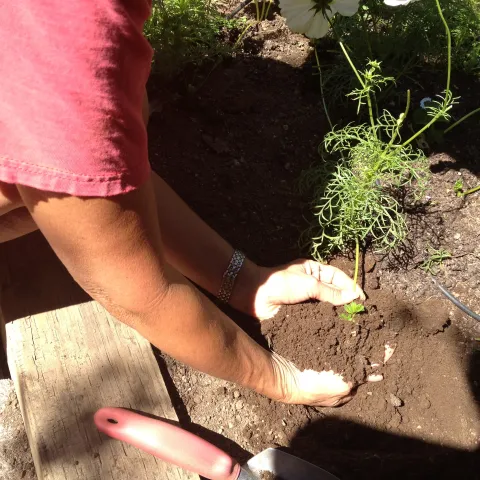
Seedlings Univ. of Main, UCANR blogs
UC Master Gardeners of Santa Clara County: Event

Grow your own Transplants for Summer Gardening from Seed: Why, When & How? - Los Altos

Event Date
Feb 18, 2026

Come join our discussion on how to start seeds at home to grow your own warm season garden transplants. We’ll discuss why you might want to grow your own transplants; when the best time is to start seeds; and how to get them growing. Before we finish, we’ll do some hands-on learning by putting a seed in a…
UC Master Gardeners of Santa Clara County
View Event
Primary Image
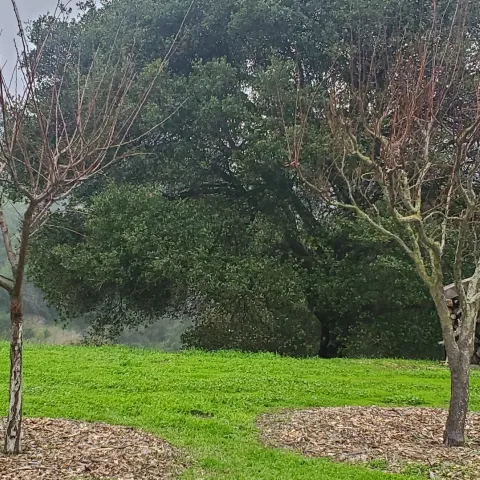
Two plum trees in winter

Winter Maintenance of Deciduous Fruit Trees

January 5, 2026
By Help Desk Team
Note: This article was originally published in the Contra Costa Times. It has been updated.Winter is the time to perform certain maintenance activities on deciduous fruit trees to reduce insect and disease problems during the growing season. The most common deciduous fruit trees in the home orchard and the…
View Article
Event Primary Image
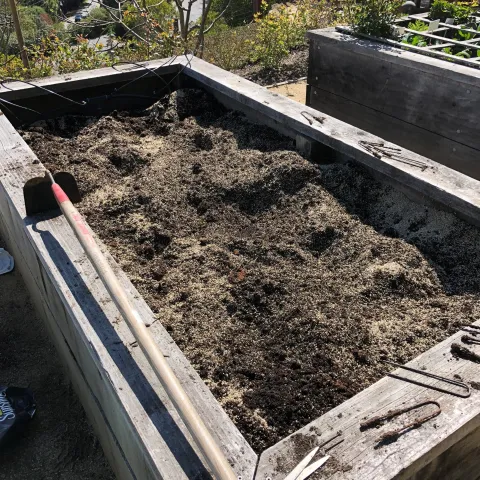
prepping a garden bed for spring
UC Marin Master Gardeners: Event

Garden Prepping for Spring

Event Date
Apr 8, 2026

Program: Forgotten all the details of how to prepare for a successful spring planting? Sometimes we do too, so we decided to write it all down. Learn some tips on what can be done now to increase your odds of bountiful summer harvest to enjoy all season.Speakers: Keri Pon has been a UC Marin Master Gardener…
UC Marin Master Gardeners
View Event
Primary Image
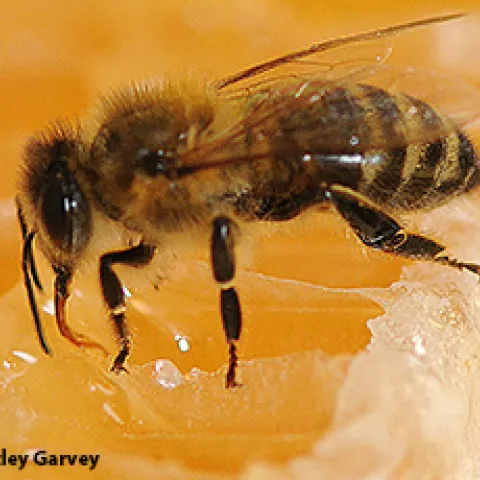
Honey bee on honeycomb. (Photo by Kathy Keatley Garvey)
Bug Squad: Article

Stlll Time to Register for Honey and Mead Workshops

January 5, 2026
By Kathy Keatley Garvey
 Friday, Jan. 9 is the deadline to register for the two long-awaited workshops: The Science of Honey Tasting and The Science of Mead Tasting.Coordinated by the California Master Beekeeper Program (CAMBP), based at the University of California, Davis, and Z Food Specialty/The HIVE, Woodland, both of the…
View Article
Event Primary Image
growing edibles in raised beds
UC Marin Master Gardeners: Event

Growing Edibles Plan to Plot to Plate

Event Date
Mar 12, 2026

Program: Want to learn about growing edibles? Come and hear about preparation of planting beds and containers, selection of plant varieties including tomatoes, best watering practices and managing diseases and problems - lessons learned from a real garden!Speaker: Anne-Marie Walker is a lifelong gardener and…
UC Marin Master Gardeners
View Event
Event Primary Image
food preservation - pixabay
UC Master Food Preserver Program of Orange County: Event

Make It, Take It – Techniques in Food Preservation

Event Date
Feb 7, 2026

Learn the fundamentals of safe, science-based food preservation in this hands-on class led by UCCE Master Food Preservers, then leave with preserved foods you can confidently enjoy and replicate at home.When: Saturday, Feb. 7, 9:30 a.m. – 12:30 p.m.; RSVP by Jan. 31.Where:  OC Fair & Event…
UC Master Food Preserver Program of Orange County
View Event
Event Primary Image
firesmart planting
UC Marin Master Gardeners: Event

Creating a Beautiful and Firewise Landscape

Event Date
Apr 4, 2026

Program: Concerned about how to have a beautiful garden AND reduce the risk of wildfire reaching your home? Using photos of real gardens, the UC Marin Master Gardeners show participants how to grow gardens that are as attractive as they are firewise. This includes ideas for creating the all-important 0-5’…
UC Marin Master Gardeners
View Event