A Natural Solution for California's Herds: African Catfish Peptides

California's cattle producers and agricultural communities are all too familiar with the rising challenge of antibiotic resistance, making common bacterial infections harder to treat in livestock. But imagine a future where we could tackle these infections with a natural, powerful alternative. Our research points to just that: antimicrobial peptides (AMPs) found in African catfish.

We're really excited about these peptides because African catfish thrive in pathogen-rich freshwater, naturally producing these robust immune compounds in their skin mucus as a defense. This natural origin makes them highly appealing alternatives to synthetic drugs.

Predicted Safety and Potent Action

One of the most compelling aspects of these AMPs is their predicted safety for mammals. Our initial computer analyses suggest that various catfish AMPs are generally recognized as safe (GRAS). We predict they'll be absorbed in the human intestine without causing liver, brain, or heart toxicity. Furthermore, lab tests on a promising peptide, NACAP-II, confirmed it was non-hemolytic, meaning it didn't damage rabbit red blood cells—a strong indicator of its potential safety for mammalian cells.

Beyond safety, these peptides demonstrate effectiveness against problematic bacteria. One study revealed NACAP-II's strong activity against Extended-Spectrum Beta-Lactamase (ESBL)-producing Escherichia coli—a critical concern for both animal and human health due to its resistance to many common antibiotics. Another peptide, ACAP-IV, also showed antibacterial activity against E. coli and Staphylococcus aureus. We believe these AMPs work by directly disrupting bacterial cell membranes, a mechanism that makes it harder for bacteria to develop resistance compared to how they resist traditional antibiotics.

Event Primary Image
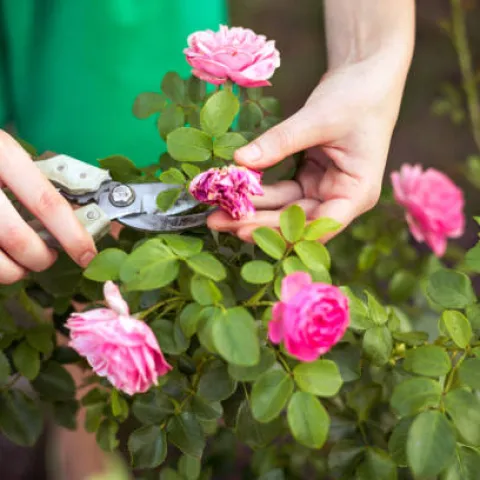
pruning roses
UC Marin Master Gardeners: Event

Growing and Pruning Roses

Event Date
Mar 7, 2026

Program: Come learn how to select, grow, and prune roses for our local gardens. There will be a demonstration on how to prune roses during the class.Speaker: Rod Kerr is a Master Gardener who has been growing and tending roses for more than 30 years. He has been teaching classes on growing roses to master…
UC Marin Master Gardeners
View Event
Event Primary Image
UCANR Organic Institute Logo
Hansen Agricultural Research and Extension Center: Event

Transition to Organic Webinar Series for Crop Producers

Event Date
Jan 14, 2026 - Mar 18, 2026

Join us for a 10-week webinar series designed to help farmers transition to certified organic production. Each session is held weekly on Wednesdays, featuring a 75-minute presentation and discussion, followed by optional office hours for deeper conversation and one-on-one support. This series is intended…
Hansen Agricultural Research and Extension Center
View Event
Event Primary Image
raccoons
UC Marin Master Gardeners: Event

Keeping Varmints at Bay

Event Date
Feb 7, 2026

Program: Do you look out the window and find your roses beheaded? Your carefully cultivated vegetables are partially eaten? Or, are your plants disappearing? It's likely your garden is being appreciated by deer, gophers and rats. Marin Master Gardener Lois Stevens will provide information and discuss…
UC Marin Master Gardeners
View Event
Primary Image
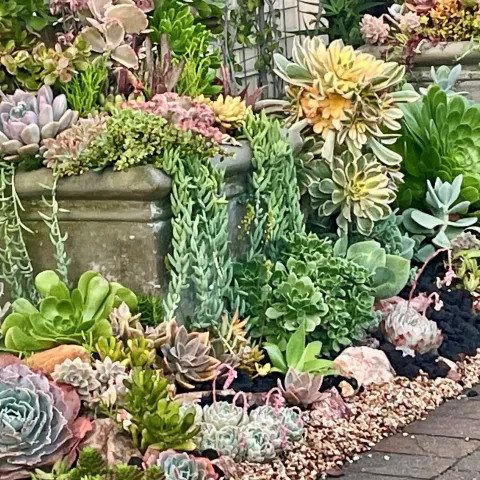
succulent garden
UC Marin Master Gardeners: Article

The transplanted gardener: how new feet find new roots in Marin

January 5, 2026
By Bonnie A Nielsen
 “New feet within my garden go…” is the first line of Emily Dickinson’s iconic poem “My Garden,” which conveys a sense of wonder to those stepping into new ground and to those observing those steps. Whether relocating from the Midwest with its four strong seasons, the steamy South, the sunbaked…
View Article
Event Primary Image
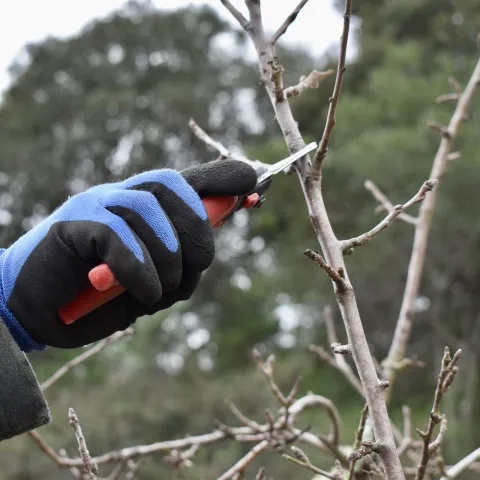
fruit tree pruning
UC Marin Master Gardeners: Event

Pruning Deciduous Trees with Ellyn Shea

Event Date
Feb 4, 2026

Program: Late winter is a great time to prune deciduous trees. It's the time of year when we really notice our deciduous trees, either the silhouette of their branches or the buds getting ready to open. This class will focus on how the biology of deciduous trees differs from evergreen trees. We will talk…
UC Marin Master Gardeners
View Event