A Natural Solution for California's Herds: African Catfish Peptides

California's cattle producers and agricultural communities are all too familiar with the rising challenge of antibiotic resistance, making common bacterial infections harder to treat in livestock. But imagine a future where we could tackle these infections with a natural, powerful alternative. Our research points to just that: antimicrobial peptides (AMPs) found in African catfish.

We're really excited about these peptides because African catfish thrive in pathogen-rich freshwater, naturally producing these robust immune compounds in their skin mucus as a defense. This natural origin makes them highly appealing alternatives to synthetic drugs.

Predicted Safety and Potent Action

One of the most compelling aspects of these AMPs is their predicted safety for mammals. Our initial computer analyses suggest that various catfish AMPs are generally recognized as safe (GRAS). We predict they'll be absorbed in the human intestine without causing liver, brain, or heart toxicity. Furthermore, lab tests on a promising peptide, NACAP-II, confirmed it was non-hemolytic, meaning it didn't damage rabbit red blood cells—a strong indicator of its potential safety for mammalian cells.

Beyond safety, these peptides demonstrate effectiveness against problematic bacteria. One study revealed NACAP-II's strong activity against Extended-Spectrum Beta-Lactamase (ESBL)-producing Escherichia coli—a critical concern for both animal and human health due to its resistance to many common antibiotics. Another peptide, ACAP-IV, also showed antibacterial activity against E. coli and Staphylococcus aureus. We believe these AMPs work by directly disrupting bacterial cell membranes, a mechanism that makes it harder for bacteria to develop resistance compared to how they resist traditional antibiotics.

Primary Image
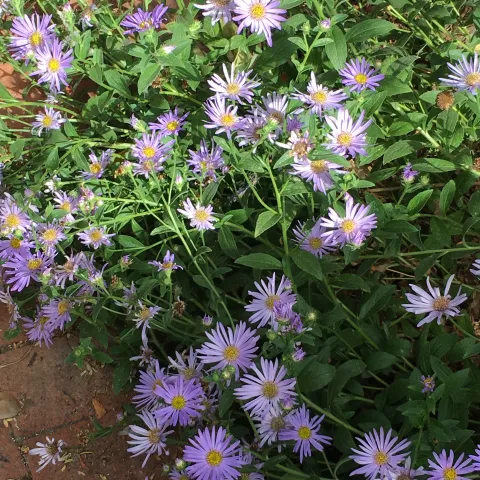
Aster
UC Marin Master Gardeners: Page

Extra Easy for Brown Thumbs

You don't need a green thumb to grow rock purslane (Calandrinia grandiflora). PlantMaster If you've been unsuccessful at gardening, take heart. There could be many reasons for that, starting with the condition of your soil or other cultural factors in your garden.
View Page
Primary Image
Deer
UC Marin Master Gardeners: Page

Deer-Resistant Plants

Deer tend to avoid plants that are smelly, wooly, prickly, or poisonous. Photo: Marie Narlock It's possible to have a lovely unfenced garden even if there are deer in your neighborhood.
View Page
Primary Image
Fern
UC Marin Master Gardeners: Page

Ferns & Shade Plants

Have a shady nook that needs attention? There is a world of gorgeous plants up for the job. They come in every imaginable shade of green from pastel to chartreuse, emerald, and deep forest green. Shade plants are often slower growing than sun-loving species.
View Page
UC Marin Master Gardeners: Page

Hot Summer Locales

Some perennials bloom exuberantly in the heat of summer. Photo: Creative Commons When temperatures rise, everyone feels the heat even your garden. If you live in a hot summer area, be sure to use strategies to avoid heat stress in plants.
View Page
UC Marin Master Gardeners: Page

Clay Soil

If you feel like you need a jackhammer to bust into your garden soil, you've got clay. This is a familiar garden complaint in Marin. If you want to make your clay soil more workable, you can amend it with organic material.
View Page
UC Marin Master Gardeners: Page

Cool Summers

Yarrow (Achillea) performs in cool coastal settings, and the flowers provide perfect landing pads for butterflies.
View Page
Primary Image
compost leaves
UC Marin Master Gardeners: Page

Compost & Other Soil Amendments

Is your garden soil not quite what you want it to be? Need to make some improvements? Soil amendments may be a solution. Before making any additions or changes to your soil, its good to know what soil amendments are and how they may work in your soil.
View Page
Primary Image
Banner compost
UC Marin Master Gardeners: Page

Benefits of Compost

Compost benefits the garden as well as the environment. Photo: Pixabay.com The process of composting is good for your garden and for the environment. Home composting allows gardeners to recycle organic material while conserving landfill space and reducing reliance on fossil fuel.
View Page
Primary Image
Banner Basics
UC Marin Master Gardeners: Page

Basics

Build a great foundation of climate-conscious, Earth-friendly gardening principles and knowledge tailored to the needs, climate and conditions of gardens in Marin.
View Page