A Natural Solution for California's Herds: African Catfish Peptides

California's cattle producers and agricultural communities are all too familiar with the rising challenge of antibiotic resistance, making common bacterial infections harder to treat in livestock. But imagine a future where we could tackle these infections with a natural, powerful alternative. Our research points to just that: antimicrobial peptides (AMPs) found in African catfish.

We're really excited about these peptides because African catfish thrive in pathogen-rich freshwater, naturally producing these robust immune compounds in their skin mucus as a defense. This natural origin makes them highly appealing alternatives to synthetic drugs.

Predicted Safety and Potent Action

One of the most compelling aspects of these AMPs is their predicted safety for mammals. Our initial computer analyses suggest that various catfish AMPs are generally recognized as safe (GRAS). We predict they'll be absorbed in the human intestine without causing liver, brain, or heart toxicity. Furthermore, lab tests on a promising peptide, NACAP-II, confirmed it was non-hemolytic, meaning it didn't damage rabbit red blood cells—a strong indicator of its potential safety for mammalian cells.

Beyond safety, these peptides demonstrate effectiveness against problematic bacteria. One study revealed NACAP-II's strong activity against Extended-Spectrum Beta-Lactamase (ESBL)-producing Escherichia coli—a critical concern for both animal and human health due to its resistance to many common antibiotics. Another peptide, ACAP-IV, also showed antibacterial activity against E. coli and Staphylococcus aureus. We believe these AMPs work by directly disrupting bacterial cell membranes, a mechanism that makes it harder for bacteria to develop resistance compared to how they resist traditional antibiotics.
Primary Image
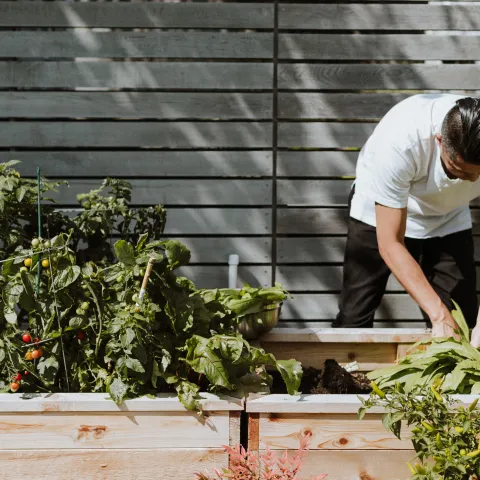
planting kale
UC Marin Master Gardeners: Page

Edibles in Containers

Containers can provide a quick and easy way to grow edibles A great solution when growing space is limited Locate to be convenient and accessible Relocate to protect edibles from bad weather Create visual interest in outside living areas Avoids soil borne diseases in native garden soil Reduces...
View Page
UC Marin Master Gardeners: Page

Asian Citrus Psyllid and Huanglongbing Disease

An insect that causes harm to citrus plants and trees has made its first appearance in Novato in Marin County, and the Marin County Ag Office is working with state agriculture officials on next steps.
View Page
Primary Image
Hands in Soil
UC Marin Master Gardeners: Page

Avoid Disturbing Your Soil

Natures no-till way relies on leaving the soil alone and nourishing it by the continual addition of new layers of dying and dead plant matter.
View Page
UC Marin Master Gardeners: Page

Garden Myths Busted

Unsure what's fact and what's fiction when it comes to gardening? Gardening myths are as common as blackbirds in a sunflower field. Some have just become bad habits; others have been passed down for generations.
View Page
Primary Image
garden tools
UC Marin Master Gardeners: Page

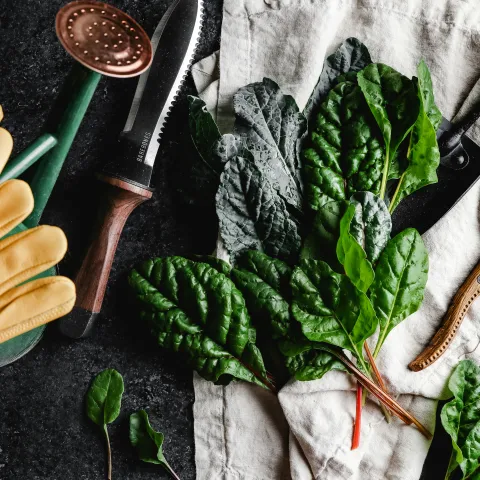
Garden Sanitation

As temperatures cool and daylight hours decline, plant growth tends to slow. In addition to being an excellent planting season in our Mediterranean climate, fall is also a good time to clean up our gardens so that theyre healthy and fire-smart.
View Page
Primary Image
fall leaves
UC Marin Master Gardeners: Page

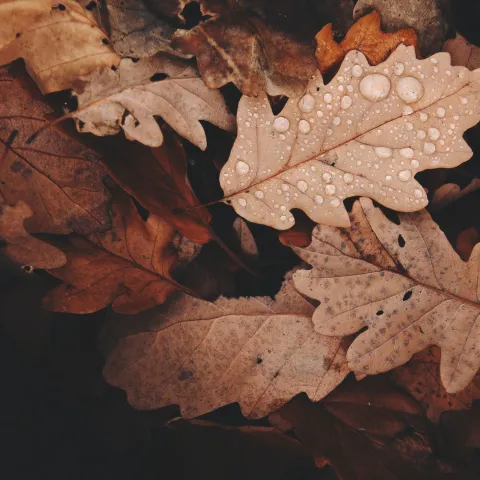
What to do with fallen leaves

When fallen leaves are overly abundant, consider composting them or shredding them so that they decompose more quickly. Photo: Marie Narlock Theres nothing like the glowing presence of autumn colors, each brilliant red, orange, and yellow leaf backlit by the sun.
View Page
Primary Image
Banner FSL
UC Marin Master Gardeners: Page

Ember Stomp

Come visit UC Marin Master Gardeners at Ember Stomp, Marins third annual free wildfire prevention festival, on Saturday, September 6, at the Marin County Fairgrounds.
View Page
Primary Image
teaching children about seeding and germination
UC Marin Master Gardeners: Page

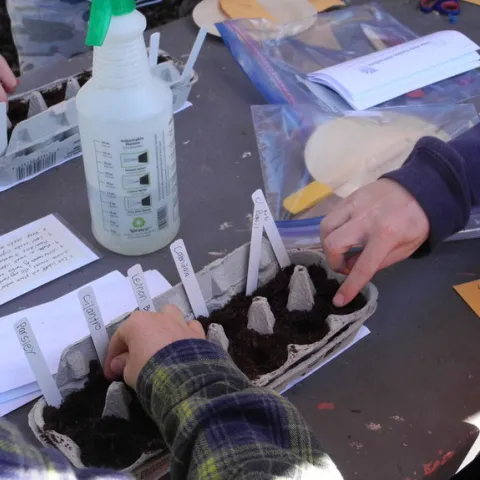
Seed Saving & Sharing

Three UC Marin Master Gardeners on National Seed Swap Day UC Marin Master Gardeners educate Marin residents on how to save, share, and start seeds. Through this program, residents gain access to a diverse selection of seeds while learning how to grow and preserve them.
View Page
Orange County 4-H: Page

Imaginology 2025 is April 12-13

It's time to get ready for Imaginology 2025! The event is held at the OC Fair & Event Center 88 Fair Drive Costa Mesa Event dates: Saturday April 12 & Sunday April 13 Event times: 10am-4pm daily Admission is free! Parking is $15 per vehicle All 4-H Families who want to extend their Imaginology exper...
View Page