A Natural Solution for California's Herds: African Catfish Peptides

California's cattle producers and agricultural communities are all too familiar with the rising challenge of antibiotic resistance, making common bacterial infections harder to treat in livestock. But imagine a future where we could tackle these infections with a natural, powerful alternative. Our research points to just that: antimicrobial peptides (AMPs) found in African catfish.

We're really excited about these peptides because African catfish thrive in pathogen-rich freshwater, naturally producing these robust immune compounds in their skin mucus as a defense. This natural origin makes them highly appealing alternatives to synthetic drugs.

Predicted Safety and Potent Action

One of the most compelling aspects of these AMPs is their predicted safety for mammals. Our initial computer analyses suggest that various catfish AMPs are generally recognized as safe (GRAS). We predict they'll be absorbed in the human intestine without causing liver, brain, or heart toxicity. Furthermore, lab tests on a promising peptide, NACAP-II, confirmed it was non-hemolytic, meaning it didn't damage rabbit red blood cells—a strong indicator of its potential safety for mammalian cells.

Beyond safety, these peptides demonstrate effectiveness against problematic bacteria. One study revealed NACAP-II's strong activity against Extended-Spectrum Beta-Lactamase (ESBL)-producing Escherichia coli—a critical concern for both animal and human health due to its resistance to many common antibiotics. Another peptide, ACAP-IV, also showed antibacterial activity against E. coli and Staphylococcus aureus. We believe these AMPs work by directly disrupting bacterial cell membranes, a mechanism that makes it harder for bacteria to develop resistance compared to how they resist traditional antibiotics.
Primary Image
garden
UC Marin Master Gardeners: Page

Garden Walks

Marin Garden Walks is a partnership between UC Marin Master Gardeners and Marin Municipal Water District to provide homeowners in Marin with information and advice on improving their irrigation practices to help conserve Marins precious water resources.
View Page
Primary Image
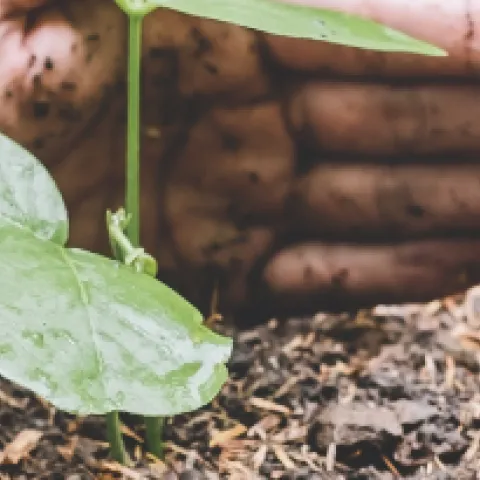
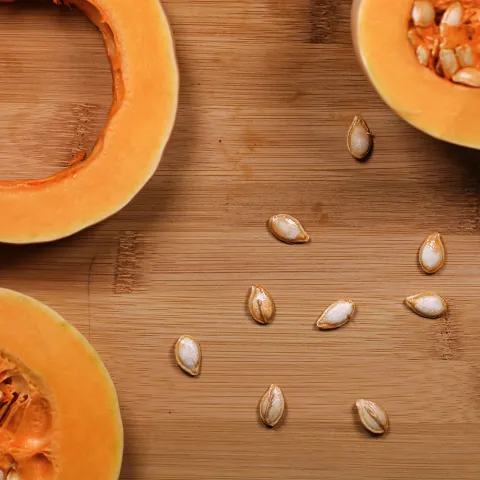
squash seeds
UC Marin Master Gardeners: Page

Saving Seeds For Specific Plants

Tips for some of the easiest types of plants from which to save seeds: > Tomatoes > Squash & melons > Peppers > Beans & Peas Step 1: Harvest seeds in pulp. Photo: Chiot's Run Tomatoes are self-pollinating.
View Page
Primary Image
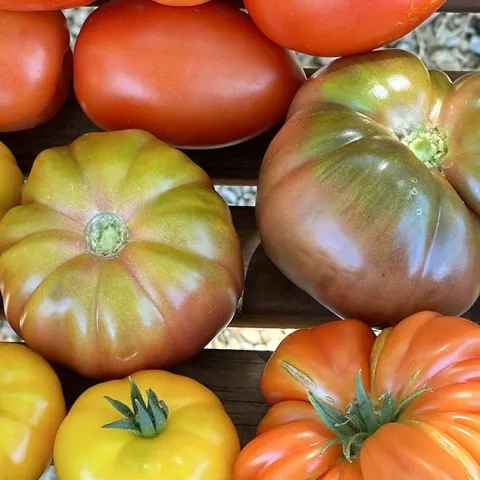
tomato market
UC Marin Master Gardeners: Page

Events Calendar

Take a class, join our community events, or come to one of our seasonal plant sales! UC Marin Master Gardeners are pleased to offer online talks and presentations in collaboration with our partners in Marin.
View Page
Primary Image
Banner Care
UC Marin Master Gardeners: Page

Care

Gardens are always changing: plants grow, soils change, leaves fall, and weeds sprout. All plants, whether in your garden or in your home, need consistent maintenance and care.
View Page
Primary Image
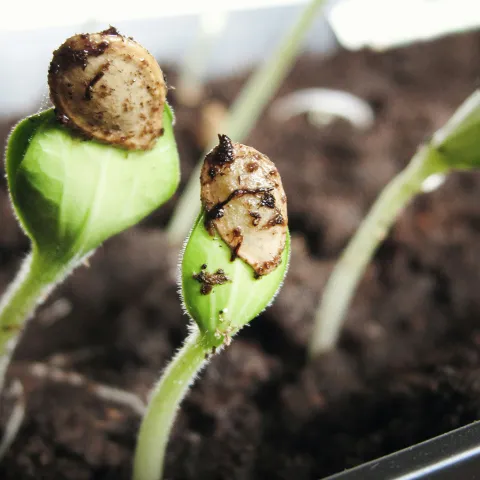
propagating seeds
UC Marin Master Gardeners: Page

Propagating

Propagation is the process by which plants are multiplied or reproduced. It is used for ornamental as well as edible plants. Propagating your own plants can be fun and rewarding because you can grow many species not found in nurseries. This includes many tasty and unusual vegetables.
View Page
Primary Image
Banner IJ
UC Marin Master Gardeners: Page

IJ Archive

UC Marin Master Gardeners have contributed to the Marin Independent Journal's "Ask a Master Gardener" column every Saturday since 1999. We have a team of dedicated writers who have covered nearly every aspect of gardening for Marin County over the years.
View Page
Primary Image
Banner Leaflet
UC Marin Master Gardeners: Page

Leaflet

Articles available here have been published in the Leaflet e-newsletter. Leaflet subscribers receive emails with seasonal advice, gardening tips and fact-based information on how to deal with pest and garden problems.
View Page
Primary Image
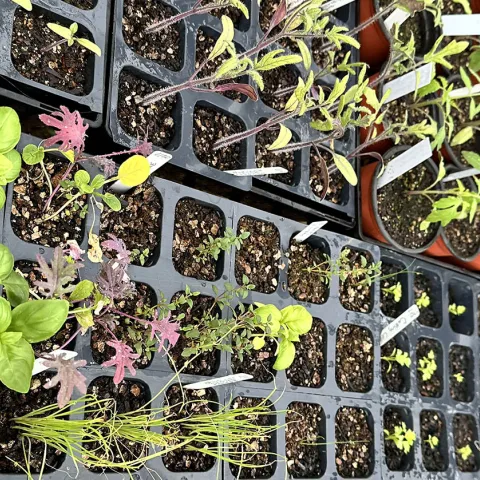
seedlings germinated in the greenhouse at Indian Valley Organic Farm & Garden
UC Marin Master Gardeners: Page

Why Save Seeds?

Saving seeds helps protect and enhance biodiversity. Seed saving is a way to preserve and protect our horticultural heritage. It is an ancient practice that allows you to retain plant varieties that are well adapted to your area and that are no longer available commercially.
View Page
UC Marin Master Gardeners: Page

School Garden Resources

Photo: piqsels.com Your school garden can be an outdoor classroom - a place to learn about healthy food, habitats and nutrition, a place where children enjoy and discover nature.
View Page
UC Marin Master Gardeners: Page

Community Garden Resources

Photo: Kamala Saraswathi, Unsplash Get your community involved Ensure you have a community of interested neighborhood volunteers Form a committee to establish garden rules, plot assignments, applications, dues (if any), bill payments, conflict resolution Find support from local nonprofits such as...
View Page