A Natural Solution for California's Herds: African Catfish Peptides

California's cattle producers and agricultural communities are all too familiar with the rising challenge of antibiotic resistance, making common bacterial infections harder to treat in livestock. But imagine a future where we could tackle these infections with a natural, powerful alternative. Our research points to just that: antimicrobial peptides (AMPs) found in African catfish.

We're really excited about these peptides because African catfish thrive in pathogen-rich freshwater, naturally producing these robust immune compounds in their skin mucus as a defense. This natural origin makes them highly appealing alternatives to synthetic drugs.

Predicted Safety and Potent Action

One of the most compelling aspects of these AMPs is their predicted safety for mammals. Our initial computer analyses suggest that various catfish AMPs are generally recognized as safe (GRAS). We predict they'll be absorbed in the human intestine without causing liver, brain, or heart toxicity. Furthermore, lab tests on a promising peptide, NACAP-II, confirmed it was non-hemolytic, meaning it didn't damage rabbit red blood cells—a strong indicator of its potential safety for mammalian cells.

Beyond safety, these peptides demonstrate effectiveness against problematic bacteria. One study revealed NACAP-II's strong activity against Extended-Spectrum Beta-Lactamase (ESBL)-producing Escherichia coli—a critical concern for both animal and human health due to its resistance to many common antibiotics. Another peptide, ACAP-IV, also showed antibacterial activity against E. coli and Staphylococcus aureus. We believe these AMPs work by directly disrupting bacterial cell membranes, a mechanism that makes it harder for bacteria to develop resistance compared to how they resist traditional antibiotics.

Primary Image
Tiger Slug with a cluster of white eggs in a sandbox.

Slugs of Winter

December 16, 2025
By Keyt Fischer
Here on the North Coast, we are blessed with moderate winter temperatures and abundant moisture in the form of fog, rain, mist, spritz, drizzle, downpours, and the occasional bomb cyclone. All that moisture and our abundant plant growth make for some terrific slug habitat. Now is the time to search out their…
View Article
Event Primary Image
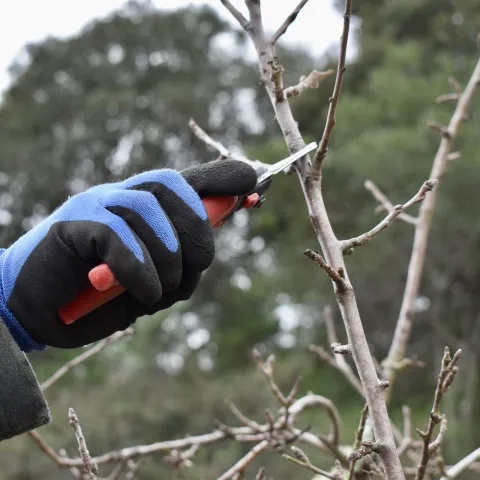
fruit tree pruning
UC Marin Master Gardeners: Event

Pruning Fruit Trees with Nancy Brown AP

Event Date
Jan 7, 2026

Program: Winter pruning of trees is the time to look at the tree structure and adjust it; since, without the leaves you can see the structure more clearly.  Pruning keeps the trees small and encourages production.  Importantly you should know the tree type and whether the fruit is born on new…
UC Marin Master Gardeners
View Event
Primary Image
Jeff Smith, curator of Lepidoptera collection, Bohart Museum of Entomology

A Tiny and Beautiful Moth from Texas

December 16, 2025
By Kathy Keatley Garvey
 Not everything is big in Texas.If you're used to seeing the huge Texas longhorns, with horns spanning eight feet in length from tip to tip, then this is quite the comparison.Entomologist Jeff Smith, the volunteer curator of the Lepidoptera collection at the Bohart Museum of Entomology, UC Davis, just…
View Article
Nutrition Policy Institute News: Article

Pilot study suggests text messages to SNAP shoppers may improve awareness of farmers’ markets

December 16, 2025
By Danielle Lee, Sridharshi C Hewawitharana, Ron Strochlic, Samantha Sam-Chen, Wendi Gosliner
The California Nutrition Incentive Program, or CNIP, matches Supplemental Nutrition Assistance Program—or SNAP and also known as CalFresh in California—dollars spent on fruits and vegetables at certified farmers’ markets and other retail locations. This program is known in many places as Market Match…
View Article
Primary Image
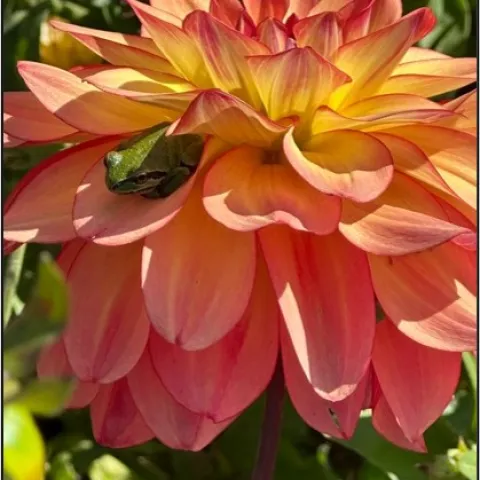
Orange and yellow dahlia with a frog nestled in the petals

Dahlias - Identifying Crown and Leafy Gall

December 16, 2025
By Karen Burgesser
 By Karen BurgesserDahlias are bushy, tuberous herbaceous perennial plants and belong to the Asteraceae family. There are only 42 species but over 57,000 cultivated varieties. Dahlias, native to Mexico, are designated as the national flower. Dahlias produce a starchy root tuber and originally were grown…
View Article
Rosenberg International Forum on Water Policy: Page

12th Forum: Resources from Speakers

Sustainable Management, Conservation, and Restoration of the Amazon River Delta and Amazon-Influenced Guianas Coast: A Review by Edward J. Anthony and Eduardo S. BrondizioA conceptual framework for analyzing deltas as coupled social–ecological systems: an example from the Amazon …
View Page
Primary Image
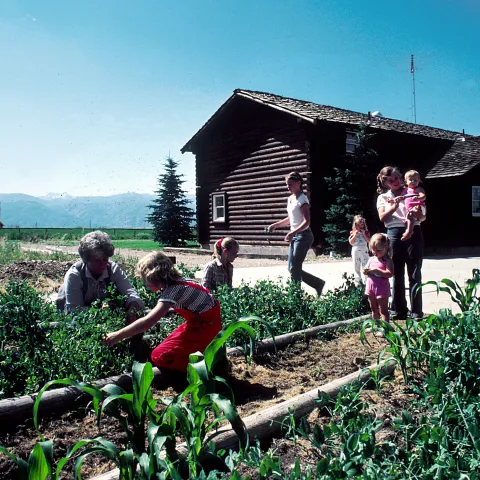
Family in the garden

Gardening for Life

December 16, 2025
By Laurel Condro
 By Laurel CondroGardening is a great way to stay fit and interact with nature. We can explore our creativity and learn about the environment. Throughout our lifespan, we may experience physical limitations or need to modify our garden to share our hobby with someone with special needs. With adaptations…
View Article