A Natural Solution for California's Herds: African Catfish Peptides

California's cattle producers and agricultural communities are all too familiar with the rising challenge of antibiotic resistance, making common bacterial infections harder to treat in livestock. But imagine a future where we could tackle these infections with a natural, powerful alternative. Our research points to just that: antimicrobial peptides (AMPs) found in African catfish.

We're really excited about these peptides because African catfish thrive in pathogen-rich freshwater, naturally producing these robust immune compounds in their skin mucus as a defense. This natural origin makes them highly appealing alternatives to synthetic drugs.

Predicted Safety and Potent Action

One of the most compelling aspects of these AMPs is their predicted safety for mammals. Our initial computer analyses suggest that various catfish AMPs are generally recognized as safe (GRAS). We predict they'll be absorbed in the human intestine without causing liver, brain, or heart toxicity. Furthermore, lab tests on a promising peptide, NACAP-II, confirmed it was non-hemolytic, meaning it didn't damage rabbit red blood cells—a strong indicator of its potential safety for mammalian cells.

Beyond safety, these peptides demonstrate effectiveness against problematic bacteria. One study revealed NACAP-II's strong activity against Extended-Spectrum Beta-Lactamase (ESBL)-producing Escherichia coli—a critical concern for both animal and human health due to its resistance to many common antibiotics. Another peptide, ACAP-IV, also showed antibacterial activity against E. coli and Staphylococcus aureus. We believe these AMPs work by directly disrupting bacterial cell membranes, a mechanism that makes it harder for bacteria to develop resistance compared to how they resist traditional antibiotics.
Article

NSF Scam Alert

February 7, 2025
By Pamela S Kan-Rice
The U.S. National Science Foundation is aware of its name and likeness being used in a fraudulent manner. Scammers claiming to represent NSF inform individuals that they have won NSF grant money and can claim it for a fee.
View Article
Primary Image
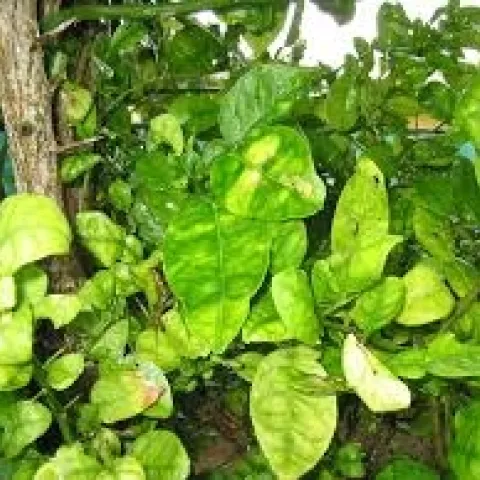
HLB symptoms
Topics in Subtropics: Article

HLB in Brazilian Citrus

February 7, 2025
By Ben A Faber
The recent U.S. Department of Agriculture Foreign Agricultural Service (USDA FAS) annual report on Brazilian citrus included updates on citrus greening disease, production and planted area.
View Article
Primary Image
Small lettuce sprouts in well-prepared soil.
Fresno Gardening Green: Article

This week in the garden: Feb. 7 - 13

February 7, 2025
When planting, group plants with similar water and sun requirements together. Tasks Sharpen tools to make cleaner cuts. Clean and maintain pruning equipment. Keep weeds under control remove or kill weeds before they mature and produce seeds. Pruning Deadhead winter annuals to prolong bloom.
View Article
Primary Image
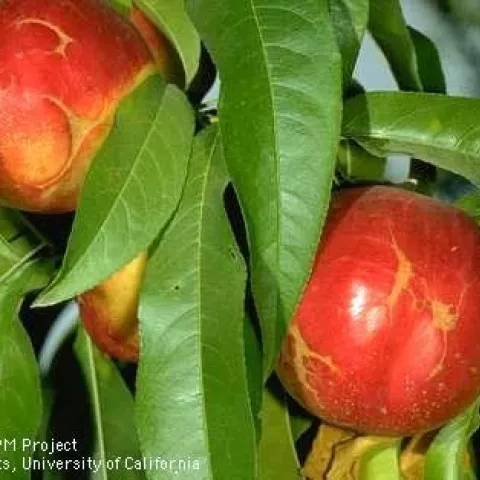
Scarring of nectarine fruit caused by western flower thrips. Jack Kelly Clark, UC IPM Project
The Real Dirt: Article

Fruit Scarring of Nectarines

February 7, 2025
Do you have a nectarine tree that has a history of producing scarred misshapen fruit? If so, the damage to the fruit is probably caused by western flower thrips (Frankliniella occidentalis) and the time to think about controlling these pests is sooner rather than later.
View Article
Article

Master Gardeners Reveal February Must-Do’s—Listen In

February 6, 2025
Learn up-to-the-month tips from these two Master Gardeners who have maintained their beautiful landscapes experiencing the same monthly experiences that you, our listeners, encounter. Pick up some tips here on KUCI this Thursday morning. Learn more and listen to "In The Garden" radio show podcasts.
View Article
Primary Image
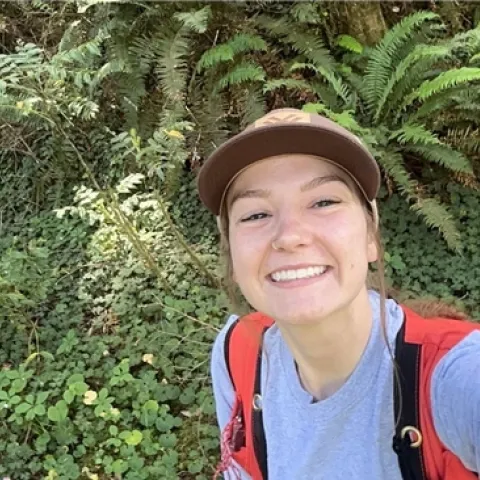
"Studying forestry is special. You get the outdoors as your classroom, and see so many different terrains." Credit: Nikki M.
Blog - Forest Research and Outreach : Article

Discovering Forestry at College of the Redwoods

February 6, 2025
By Grace N Dean
On any given day, Nikki Mills is likely to be found in the woods. An outdoor enthusiast with a love for hunting and fishing, Nikkiis also pursuing her passions in the college classroom.
View Article