A Natural Solution for California's Herds: African Catfish Peptides

California's cattle producers and agricultural communities are all too familiar with the rising challenge of antibiotic resistance, making common bacterial infections harder to treat in livestock. But imagine a future where we could tackle these infections with a natural, powerful alternative. Our research points to just that: antimicrobial peptides (AMPs) found in African catfish.

We're really excited about these peptides because African catfish thrive in pathogen-rich freshwater, naturally producing these robust immune compounds in their skin mucus as a defense. This natural origin makes them highly appealing alternatives to synthetic drugs.

Predicted Safety and Potent Action

One of the most compelling aspects of these AMPs is their predicted safety for mammals. Our initial computer analyses suggest that various catfish AMPs are generally recognized as safe (GRAS). We predict they'll be absorbed in the human intestine without causing liver, brain, or heart toxicity. Furthermore, lab tests on a promising peptide, NACAP-II, confirmed it was non-hemolytic, meaning it didn't damage rabbit red blood cells—a strong indicator of its potential safety for mammalian cells.

Beyond safety, these peptides demonstrate effectiveness against problematic bacteria. One study revealed NACAP-II's strong activity against Extended-Spectrum Beta-Lactamase (ESBL)-producing Escherichia coli—a critical concern for both animal and human health due to its resistance to many common antibiotics. Another peptide, ACAP-IV, also showed antibacterial activity against E. coli and Staphylococcus aureus. We believe these AMPs work by directly disrupting bacterial cell membranes, a mechanism that makes it harder for bacteria to develop resistance compared to how they resist traditional antibiotics.
Glenn County: Article

Barceloux-Tibessart Foundation Supports Glenn County 4-H

January 7, 2025
January 7, 2025 BARCELOUX-TIBESSART FOUNDATION SUPPORTS GLENN COUNTY 4-H A recent donation by the Barceloux-Tibessart Foundation has provided the Embryology: Hatching Classroom Projects curriculum, a HovaBator 2370 ultimate egg incubator and brooder kit and supporting materials to deliver to differe...
View Article
Glenn County: Article

2024 Glenn County 4-H Scholarship Press Release

January 7, 2025
April 10, 2024 2024 Glenn County 4-H Scholarships Awarded Glenn County 4-H conducted scholarship interviews for graduating seniors on Thursday, April 4, 2024. Two very deserving 4-H youth members were evaluated on their application, individual interviews, and growth in the 4-H program.
View Article
Primary Image
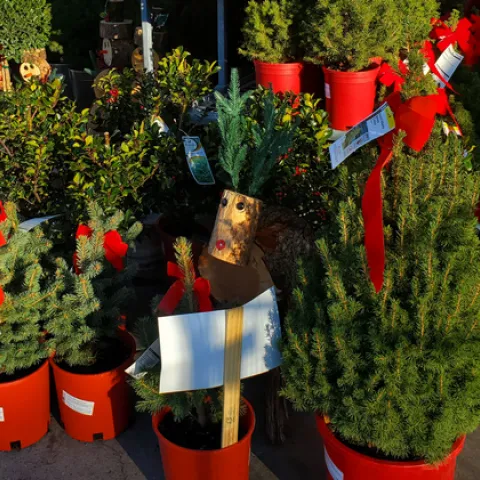
Christmas trees in pots
HOrT COCO-UC Master Gardener Program of Contra Costa: Article

Planting Your Living Christmas Tree

January 7, 2025
By Help Desk Team
Our previous HORT COCO blog (December 17, 2024) focused on caring for live holiday plants, including live Christmas trees. This article will focus on how to plant and care for a live tree after the holidays.
View Article
Primary Image
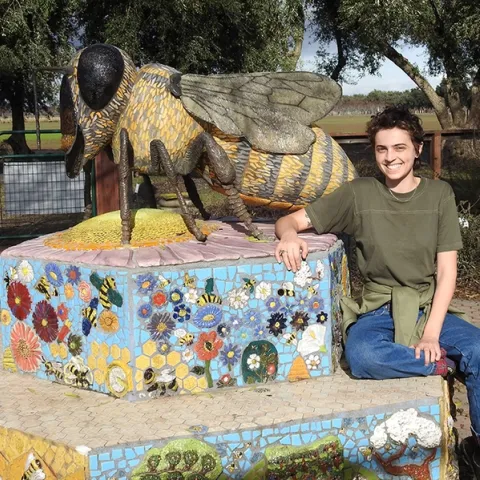
Michelle Monheit of Woodland stands by "Miss Bee Haven," sculpted by Donna Billick. Michelle has visited the garden since childhood when her mother was working on bee research. (Photo by Kathy Keatley Garvey)
Bug Squad: Article

Renewing Memories of the UC Davis Bee Haven

January 6, 2025
By Kathy Keatley Garvey
It's like Old Home Week or Old Home Day when Michelle Monheit visits the UC Davis Bee Haven on Bee Biology Road. I visit the garden whenever I'm in the area, she said, as she headed over to the six-foot-long ceramic-mosaic bee sculpture, Miss Bee Haven, that anchors the half-acre bee garden.
View Article
Primary Image
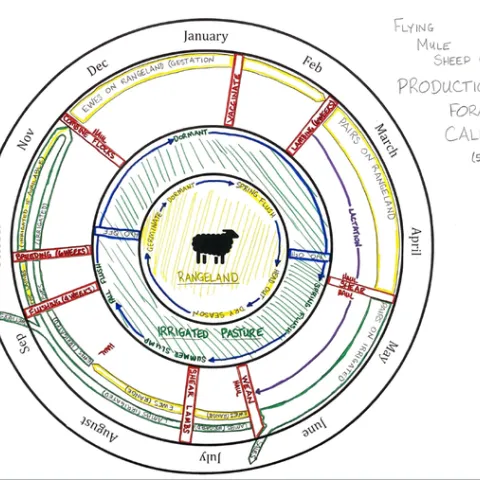
An ecological calendar combines ranch-specific ecological and climate conditions with production and economic considerations.
Ranching in the Sierra Foothills: Article

Flexibility

January 6, 2025
By Daniel K Macon
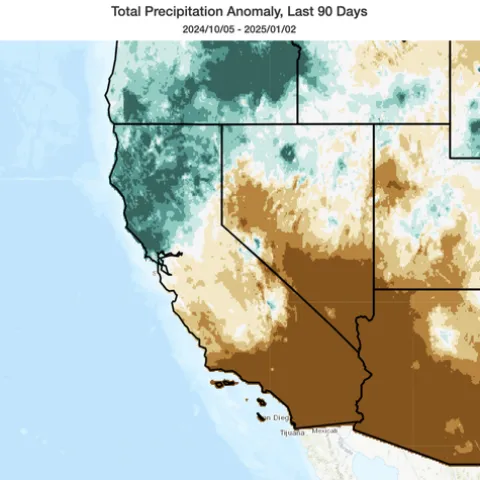
Since the millennial drought of 2012-2016, I've developed a habit of periodically checking the U.S. Drought Monitor, especially during our normal rainy season.
View Article
UC Master Food Preserver: Article

Spotlight: Tim Long, Class of 2024 MFP Volunteer (January 2025)

January 6, 2025
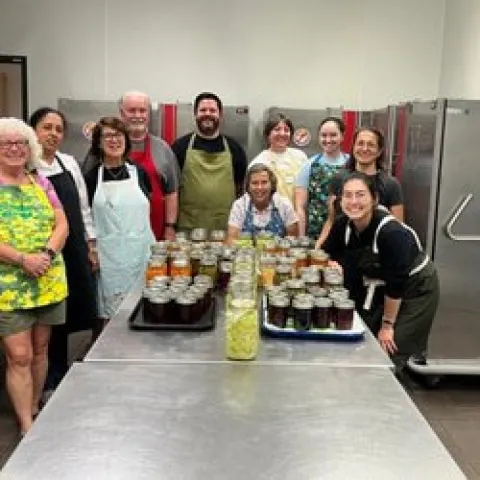
Tim Long, UC Master Food Preserver Volunteer Online Program My name is Tim Long. I am a University of California Master Food Preserver, specifically affiliated with the Online Program. To give you an idea of how I got here in the program, I would like to share a bit about my life.
View Article
Primary Image
weather map
Topics in Subtropics: Article

New Weatherman at ANR

January 6, 2025
By Ben A Faber
Climate scientist Daniel Swain joins UC ANR Author: Pamela S Kan-Rice Daniel Swain Daniel Swain joined University of California Agriculture and Natural Resources on Nov. 1 as a climate scientist in the California Institute for Water Resources.
View Article
Primary Image
Stockton Training Lab, June 28-30: Bobbie, Jyothika, Sue B, Tim, Daniel, Josefa, Sarah, Elena, Dierdre, and Ariel
UC Master Food Preserver: Article

Online delivery program growing strong (January 2025)

January 6, 2025
By Travis R Alexander
Travis Alexander, UC Master Food Preserver Coordinator Online Program Are you an adult interested in helping others learn about home food preservation, have an Internet connection, and live in a county that does not offer a local UC Master Food Preserver Program?
View Article
UC Master Food Preserver: Article

Newsletter naming contest update (January 2025)

January 6, 2025
Travis Alexander, UC Master Food Preserver Coordinator Online Program The UC Master Food Preserver Program is holding a contest to give the new monthly newsletter an official name and the deadline for name submissions has been extended to January 29.
View Article