A Natural Solution for California's Herds: African Catfish Peptides

California's cattle producers and agricultural communities are all too familiar with the rising challenge of antibiotic resistance, making common bacterial infections harder to treat in livestock. But imagine a future where we could tackle these infections with a natural, powerful alternative. Our research points to just that: antimicrobial peptides (AMPs) found in African catfish.

We're really excited about these peptides because African catfish thrive in pathogen-rich freshwater, naturally producing these robust immune compounds in their skin mucus as a defense. This natural origin makes them highly appealing alternatives to synthetic drugs.

Predicted Safety and Potent Action

One of the most compelling aspects of these AMPs is their predicted safety for mammals. Our initial computer analyses suggest that various catfish AMPs are generally recognized as safe (GRAS). We predict they'll be absorbed in the human intestine without causing liver, brain, or heart toxicity. Furthermore, lab tests on a promising peptide, NACAP-II, confirmed it was non-hemolytic, meaning it didn't damage rabbit red blood cells—a strong indicator of its potential safety for mammalian cells.

Beyond safety, these peptides demonstrate effectiveness against problematic bacteria. One study revealed NACAP-II's strong activity against Extended-Spectrum Beta-Lactamase (ESBL)-producing Escherichia coli—a critical concern for both animal and human health due to its resistance to many common antibiotics. Another peptide, ACAP-IV, also showed antibacterial activity against E. coli and Staphylococcus aureus. We believe these AMPs work by directly disrupting bacterial cell membranes, a mechanism that makes it harder for bacteria to develop resistance compared to how they resist traditional antibiotics.
Primary Image
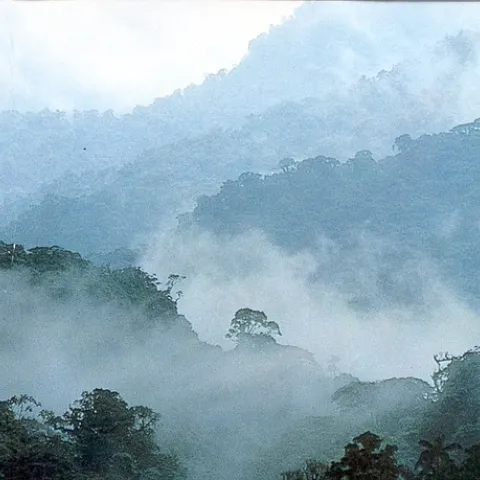
cloud forest costa rica

Avocado Leaves Last and Last

January 8, 2025
By Ben A Faber
Avocados come from a wet environment. The Guatemalan and Mexican races come from cloud forest environments that are dripping much of the year from if not rain, a high humidity that creates a cloud-like condition.
View Article
Primary Image
Website
UC Weed Science (weed control, management, ecology, and minutia): Article

WeedCUT (Weed Control User Tool) expands!

January 8, 2025
By Thomas J Getts
Back in 2021 the California Invasive Plant Council (CAL IPC) and UC IPM launched the online decision support tool WeedCUT for wildland weed mangers to help assist making management decisions for wildland weeds.
View Article
Primary Image
Screenshot 2025-01-05 at 8.53.50?PM
UC Rice Blog: Article

Weed Updates 2024

January 8, 2025
By Whitney B Brim-Deforest, Taiyu Guan
General review of the year: Walter's barnyardgrass AKA coast cockspur (Echinochloa walteri) continues to spread across the valley.
View Article
Primary Image
Five spherical shapes. There are 2 in the background are all green and have a closed slit at the top. The 3 in the front have a yellow top that is split into 2 section- one section is covered in a tan hair and the other is split into 2 pieces resembling a mouth.
The Savvy Sage: Article

Poinsettia- What a beautiful (and tiny) flower you have.

January 7, 2025
Poinsettias are a decorative winter staple thanks to their large vibrant foliage- AKA leaves. That's right, those big, colorful, floral-like clusters are actually specialized leaves called bracts' that change from green to vibrant, festive colors thanks to the shorter winter days.
View Article
Primary Image
rex begonia michelle krespi
Under the Solano Sun: Article

My Lazarus Plant

January 7, 2025
As gardeners, we know that we have failures and sadly wind up sometimes killing a plant we love. Such was the case with my Begonia rex. It lived for several years outdoors in a spot that had indirect light. At first, it thrived, but then it began to deteriorate.
View Article