A Natural Solution for California's Herds: African Catfish Peptides

California's cattle producers and agricultural communities are all too familiar with the rising challenge of antibiotic resistance, making common bacterial infections harder to treat in livestock. But imagine a future where we could tackle these infections with a natural, powerful alternative. Our research points to just that: antimicrobial peptides (AMPs) found in African catfish.

We're really excited about these peptides because African catfish thrive in pathogen-rich freshwater, naturally producing these robust immune compounds in their skin mucus as a defense. This natural origin makes them highly appealing alternatives to synthetic drugs.

Predicted Safety and Potent Action

One of the most compelling aspects of these AMPs is their predicted safety for mammals. Our initial computer analyses suggest that various catfish AMPs are generally recognized as safe (GRAS). We predict they'll be absorbed in the human intestine without causing liver, brain, or heart toxicity. Furthermore, lab tests on a promising peptide, NACAP-II, confirmed it was non-hemolytic, meaning it didn't damage rabbit red blood cells—a strong indicator of its potential safety for mammalian cells.

Beyond safety, these peptides demonstrate effectiveness against problematic bacteria. One study revealed NACAP-II's strong activity against Extended-Spectrum Beta-Lactamase (ESBL)-producing Escherichia coli—a critical concern for both animal and human health due to its resistance to many common antibiotics. Another peptide, ACAP-IV, also showed antibacterial activity against E. coli and Staphylococcus aureus. We believe these AMPs work by directly disrupting bacterial cell membranes, a mechanism that makes it harder for bacteria to develop resistance compared to how they resist traditional antibiotics.

Primary Image
Extension Methods & Delivery
ANR Employee News: Article

L&D - Community Health Coalitions, Navigating Medicaid, Active Transportation, Climate Resiliency, Mitigating Ageism, Conflict Competence

November 25, 2024
By Jodi L Azulai
UC ANR Learning & Development Landing page | Archived webinars | Learning resources Extension Methods & Delivery Building Support Equity, Diversity, Inclusion Office, Team, & Personal Management Community Health Coalitions: Extension as an Integrated System for Health & Wellness (Virtual, Extension...
View Article
UC Master Gardeners of Solano County: Article

Fall 2024

November 25, 2024
Community Gardening in Solano County Compost Insanity Composting at Home Container Gardening for Fall How Native Plants Help Salmon Tahiti Plants There's a Bit of Confusion in the World of Bulbs Solano County Water Agency Strive for 25! Solano Master Gardeners This Fall Fall Gardening Guide...
View Article
Primary Image
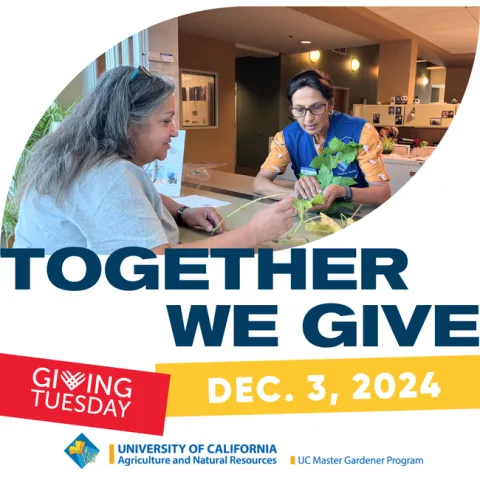
Two women at a counter, one examining a plant.
The Stanislaus Sprout: Article

UC Master Gardener Help Line & #GivingTuesday

November 25, 2024
By Anne E Schellman
In 2024 our UC Master Gardener volunteers helped over 100 people answer gardening and pest management questions like these: I moved here from Ohio, and I don't know what to plant.
View Article
Article

Status of Contracts & Grants Awards and Billings

November 25, 2024
By Pamela S Kan-Rice
The UC ANR Aggie Enterprise Team is pleased to provide the following update on Contracts & Grants (C&G) Awards and Billings, after consulting and engaging with UC Davis Contracts and Grants Accounting: Awards Update: There are currently 44 award-related transactions (including new awards, amendments...
View Article
Primary Image
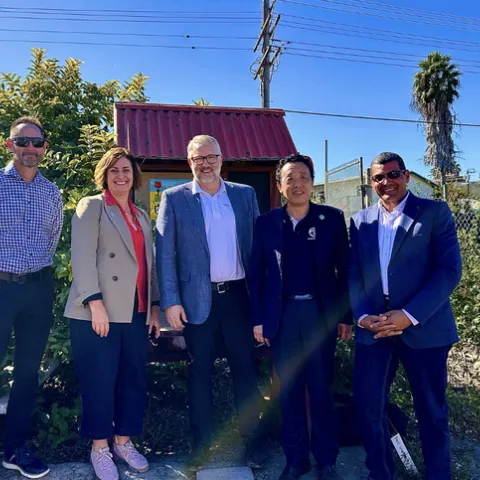
Five people standing in a garden under blue sky.
ANR Adventures: Article

Reaching beyond borders to partner on research

November 25, 2024
By Brent Hales
The past few weeks have been a whirlwind. Vice President Glenda Humiston and I had the opportunity to meet with many scientists working on agricultural issues in a Mediterranean climate similar to California's.
View Article
ANR Employee News: Article

UCSF shares COVID-19 data, other health data sets

November 25, 2024
By Pamela S Kan-Rice
The UC San Francisco California Collaborative for Public Health Research (CPR3) is an initiative that promotes statewide academic and public health partnerships to bridge research and policy.
View Article
Primary Image
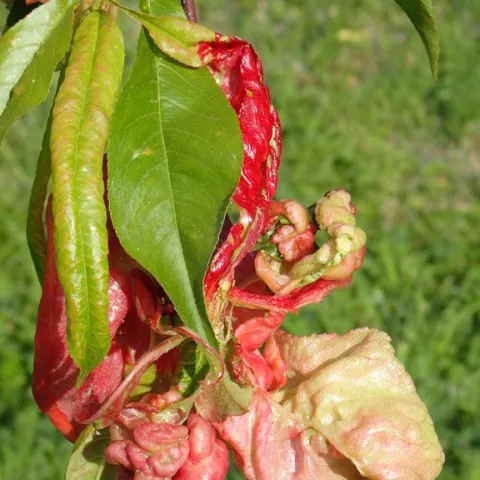
A cluster of leaves on a branch. Some are flat and green and others are bumpy and red.

When Should You Treat for Peach Leaf Curl?

November 25, 2024
By Lauren Fordyce
While you may not notice symptoms of peach leaf curl until the spring, you should manage it in the fall and winter. Peach leaf curl is a fungal disease that primarily affects peach and nectarine trees.
View Article