A Natural Solution for California's Herds: African Catfish Peptides

California's cattle producers and agricultural communities are all too familiar with the rising challenge of antibiotic resistance, making common bacterial infections harder to treat in livestock. But imagine a future where we could tackle these infections with a natural, powerful alternative. Our research points to just that: antimicrobial peptides (AMPs) found in African catfish.

We're really excited about these peptides because African catfish thrive in pathogen-rich freshwater, naturally producing these robust immune compounds in their skin mucus as a defense. This natural origin makes them highly appealing alternatives to synthetic drugs.

Predicted Safety and Potent Action

One of the most compelling aspects of these AMPs is their predicted safety for mammals. Our initial computer analyses suggest that various catfish AMPs are generally recognized as safe (GRAS). We predict they'll be absorbed in the human intestine without causing liver, brain, or heart toxicity. Furthermore, lab tests on a promising peptide, NACAP-II, confirmed it was non-hemolytic, meaning it didn't damage rabbit red blood cells—a strong indicator of its potential safety for mammalian cells.

Beyond safety, these peptides demonstrate effectiveness against problematic bacteria. One study revealed NACAP-II's strong activity against Extended-Spectrum Beta-Lactamase (ESBL)-producing Escherichia coli—a critical concern for both animal and human health due to its resistance to many common antibiotics. Another peptide, ACAP-IV, also showed antibacterial activity against E. coli and Staphylococcus aureus. We believe these AMPs work by directly disrupting bacterial cell membranes, a mechanism that makes it harder for bacteria to develop resistance compared to how they resist traditional antibiotics.


Nutrition Policy Institute: Article

Expanded Shopping Options Needed to Improve WIC Participants’ Shopping Experience

October 17, 2024
By Danielle Lee, Celeste Felix, KC Fiedler, Lorrene D Ritchie
Policy Brief • October 2024 • Download PDF (305 KB)What is the Issue?The Special Supplemental Nutrition Program for Women, Infants and Children (WIC) provides supplemental food, nutrition education and referrals to over 6.7 million U.S. women, infants and children with low-income, who are at nutrition risk…
View Article
Article

Aggie Enterprise status update

October 17, 2024
By Pamela S Kan-Rice
Dear Colleagues, I would like to take a moment to update you on the status of our Aggie Enterprise system support and address some additional challenges that we've encountered. Your feedback and collaboration continue to be vital as we work to stabilize and enhance our operations.
View Article
Nutrition Policy Institute: Article

WIC App Modifications Needed to Improve WIC Participants’ Shopping Experience

October 16, 2024
By Danielle Lee, Celeste Felix, KC Fiedler, Lorrene D Ritchie
Policy Brief • October 2024 • Download PDF (265 KB)What is the Issue?The Special Supplemental Nutrition Program for Women, Infants and Children (WIC) provides supplemental food, nutrition education and referrals to over 6.7 million U.S. women, infants and children with low-income and who are at nutrition…
View Article
Primary Image
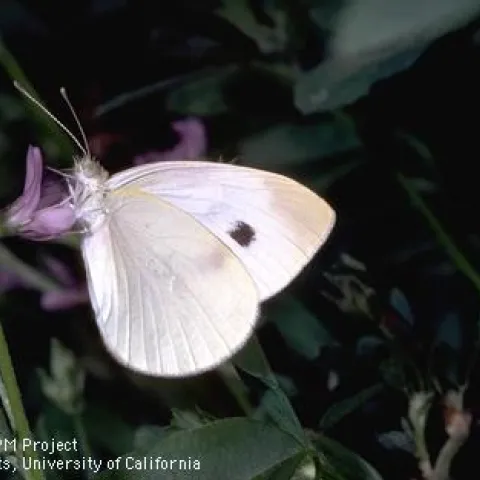
A white butterfly with a black spot on its wing feeding on a purple flower.
Pests in the Urban Landscape: Article

Check for Cabbageworms!

October 16, 2024
By Lauren Fordyce
If you recently planted cabbage, broccoli, or kale, (often called Brassicas and cole crops) keep an eye out for cabbageworms! The adult cabbageworm is a white butterfly with one to four black spots on its wings. They lay eggs individually on the leaves of brassica plants.
View Article
Primary Image
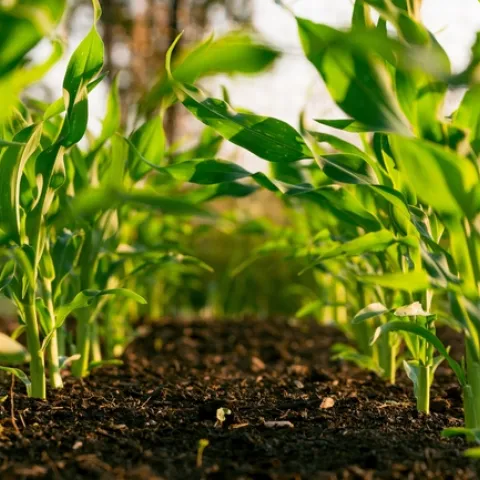
Photo: Steven Weeks. The photo depicts a field of corn at early stage with rich soil between the rows.
UC ANR Climate Corner: Article

Food Waste and Climate Resilience

October 16, 2024
By Jill Santos
Tackling Food Waste for Climate Resilience Reducing food waste is a critical strategy for addressing food insecurity, mitigating climate change, and enhancing economic productivity.
View Article