A Natural Solution for California's Herds: African Catfish Peptides

California's cattle producers and agricultural communities are all too familiar with the rising challenge of antibiotic resistance, making common bacterial infections harder to treat in livestock. But imagine a future where we could tackle these infections with a natural, powerful alternative. Our research points to just that: antimicrobial peptides (AMPs) found in African catfish.

We're really excited about these peptides because African catfish thrive in pathogen-rich freshwater, naturally producing these robust immune compounds in their skin mucus as a defense. This natural origin makes them highly appealing alternatives to synthetic drugs.

Predicted Safety and Potent Action

One of the most compelling aspects of these AMPs is their predicted safety for mammals. Our initial computer analyses suggest that various catfish AMPs are generally recognized as safe (GRAS). We predict they'll be absorbed in the human intestine without causing liver, brain, or heart toxicity. Furthermore, lab tests on a promising peptide, NACAP-II, confirmed it was non-hemolytic, meaning it didn't damage rabbit red blood cells—a strong indicator of its potential safety for mammalian cells.

Beyond safety, these peptides demonstrate effectiveness against problematic bacteria. One study revealed NACAP-II's strong activity against Extended-Spectrum Beta-Lactamase (ESBL)-producing Escherichia coli—a critical concern for both animal and human health due to its resistance to many common antibiotics. Another peptide, ACAP-IV, also showed antibacterial activity against E. coli and Staphylococcus aureus. We believe these AMPs work by directly disrupting bacterial cell membranes, a mechanism that makes it harder for bacteria to develop resistance compared to how they resist traditional antibiotics.
Primary Image
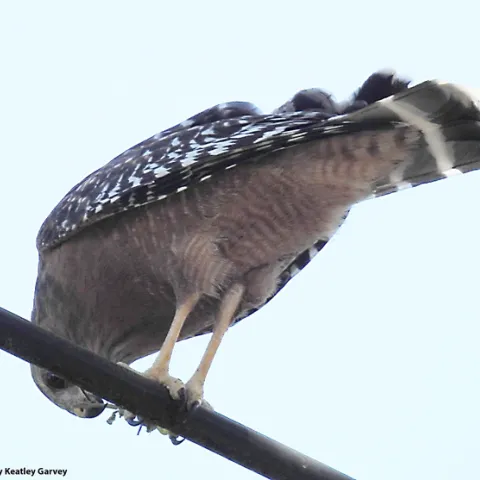
Red-shouldered hawk devouring what appears to be a praying mantis. It caught the insect in the Vacaville Museum and then perched on a telephone line to eat it. (Photo by Kathy Keatley Garvey)

Yes, Hawks Eat Insects

October 14, 2024
By Kathy Keatley Garvey
Ever watched a red-shouldered hawk on a hunt? They eat a variety of prey, including small mammals, birds, snakes, lizards, fish, crayfish, insects and worms, according to the California Raptor Center (CRC), a research center that's part of the UC Davis School of Veterinary Medicine.
View Article
Article

Fall 2024

October 14, 2024
Promoting Healthy Eating & Physical Activity in the Classroom...
View Article
Primary Image
avocado pit
Topics in Subtropics: Article

Inside the Avocado

October 14, 2024
By Ben A Faber
A new way of looking at plant nutrition? Frost damage? Disease? Heat damage? Research team at the University of Gttingen develops method for recognizing cell properties Checking whether an avocado is hard or soft by looking at it?
View Article
Primary Image
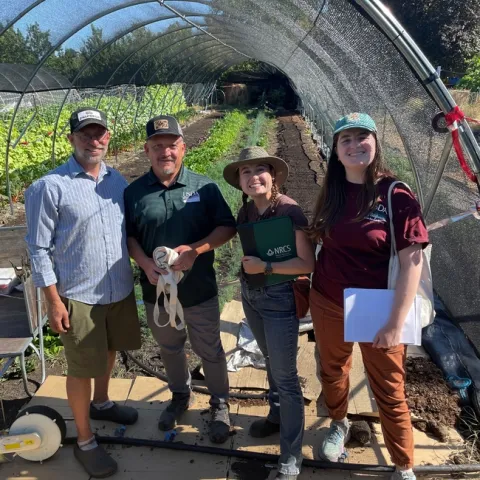
Four people stand in front of a hoop house
Urban Agriculture: Article

Farm Service Agency Resources for Urban Growers

October 13, 2024
By Lucy Diekmann
Are you farming or gardening in a city, suburb, tribal community or small town? From community gardens to indoor vertical farms, urban agriculture provides critical access to healthy food for local communities, as well as jobs, climate resilience, increased green spaces, and closer community ties.
View Article
Primary Image
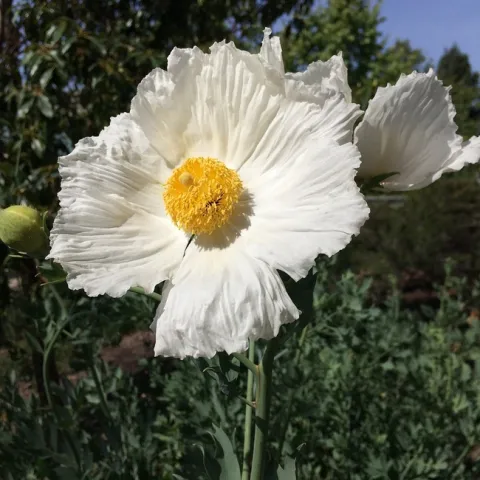
matilija-poppy-4753708 1280 Pixabay
Napa Master Gardener Column: Article

Getting to know the Matilija poppy

October 12, 2024
The Coulter's Matilija poppy (Romneya coulteri), a California/Baja native plant, is a paradox. It is described as both difficult to grow and invasive. How can that be? Years ago, I decided the poppy was the plant for me because of the second attribute.
View Article