A Natural Solution for California's Herds: African Catfish Peptides

California's cattle producers and agricultural communities are all too familiar with the rising challenge of antibiotic resistance, making common bacterial infections harder to treat in livestock. But imagine a future where we could tackle these infections with a natural, powerful alternative. Our research points to just that: antimicrobial peptides (AMPs) found in African catfish.

We're really excited about these peptides because African catfish thrive in pathogen-rich freshwater, naturally producing these robust immune compounds in their skin mucus as a defense. This natural origin makes them highly appealing alternatives to synthetic drugs.

Predicted Safety and Potent Action

One of the most compelling aspects of these AMPs is their predicted safety for mammals. Our initial computer analyses suggest that various catfish AMPs are generally recognized as safe (GRAS). We predict they'll be absorbed in the human intestine without causing liver, brain, or heart toxicity. Furthermore, lab tests on a promising peptide, NACAP-II, confirmed it was non-hemolytic, meaning it didn't damage rabbit red blood cells—a strong indicator of its potential safety for mammalian cells.

Beyond safety, these peptides demonstrate effectiveness against problematic bacteria. One study revealed NACAP-II's strong activity against Extended-Spectrum Beta-Lactamase (ESBL)-producing Escherichia coli—a critical concern for both animal and human health due to its resistance to many common antibiotics. Another peptide, ACAP-IV, also showed antibacterial activity against E. coli and Staphylococcus aureus. We believe these AMPs work by directly disrupting bacterial cell membranes, a mechanism that makes it harder for bacteria to develop resistance compared to how they resist traditional antibiotics.
Primary Image
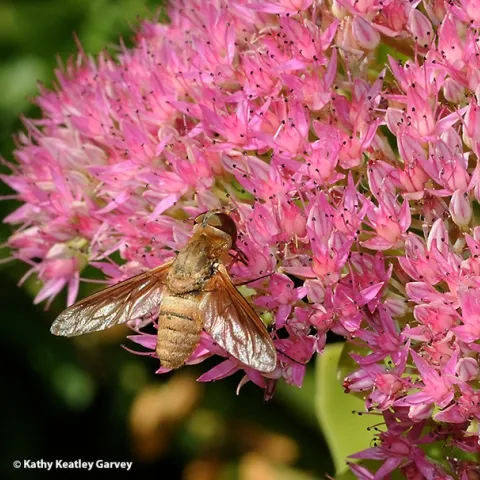
A bee fly, family Bombyliidae, foraging on sedum in a UC Davis garden. (Photo by Kathy Keatley Garvey)

It's Friday Fly Day!

October 11, 2024
By Kathy Keatley Garvey
It's Friday Fly Day, and time to post an image of a fly that masquerades as a bee. That would be "the bee fly," a fly so named because it resembles a bee Order: Diptera. Family: Bombyliidae. In its adult stage, it's a pollinator that feeds on nectar and pollen. In its larval stage, it's parasitoid.
View Article
Primary Image
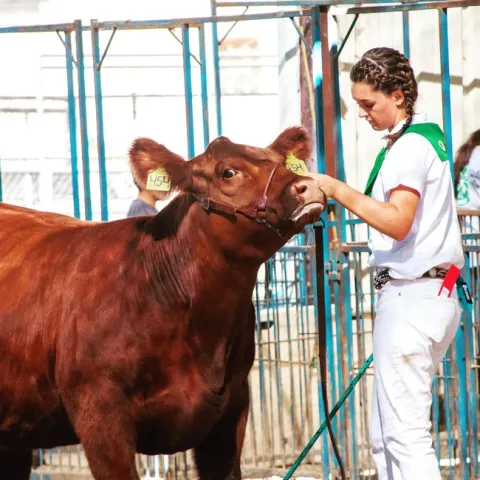
4-H el programa que desde 1903 conecta a los jóvenes con la agricultura, tecnología, ganadería y robótica entre otros.
Nuestra Comunidad: Article

Juventud y liderazgo, el papel de 4-H en California

October 11, 2024
By Diana Cervantes
Fue durante el verano cuando John, de 15 años, llegó a la escuela popular en San José, California, con la intención de participar en uno de los talleres organizados por 4-H. John, movido por la curiosidad, decidió regresar a la escuela durante sus vacaciones para descubrir de que se trataba.
View Article
Primary Image
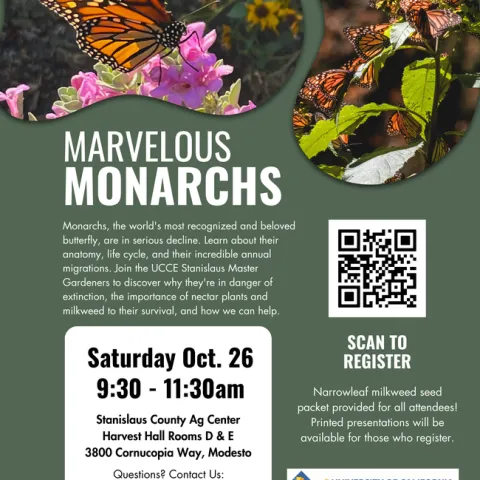
Marvelous Monarchs flier full size (1) (1)
The Stanislaus Sprout: Article

Marvelous Monarchs Class October 26

October 11, 2024
By Anne E Schellman
On Saturday, October 26, join the UC Master Gardeners to hear a free talk on these marvelous butterflies that so many love.
View Article
Primary Image
Hurricane Milton- clouds in a circular pattern cover the image
UC Environmental Stewards Blog: Article

Unnatural Disasters

October 11, 2024
By Sarah-Mae Nelson
Content Warning: This article discusses Hurricane Helene, Hurricane Milton, Hurricane Harvey, and other climate change-related issues and impacts that might be hard to read for some.
View Article
Primary Image
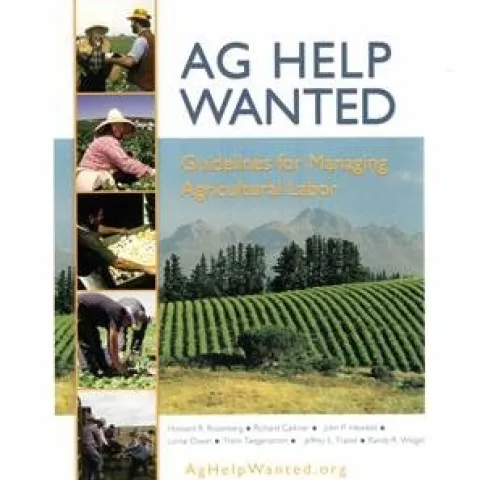
ag help
Topics in Subtropics: Article

Ag Help Manual

October 11, 2024
By Ben A Faber
Ag Help Wanted is an educational guidebook designed to assist every person who currently manages or expects to manage human resources on farms, ranches, nurseries, dairies, and other agricultural operations.
View Article
Primary Image
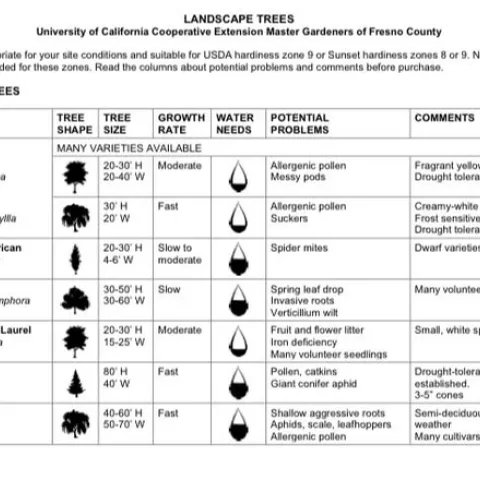
A small sample of the Master Gardener tree list for Fresno County.
Fresno Gardening Green: Article

It's the best time to plant a tree

October 11, 2024
October and November are ideal months to plant new trees in Fresno County landscapes. The soil is still warm and the weather cools, perfect conditions for pushing root growth that will give the new tree a running start in the spring. Planting a new tree does require thoughtful planning.
View Article
Primary Image
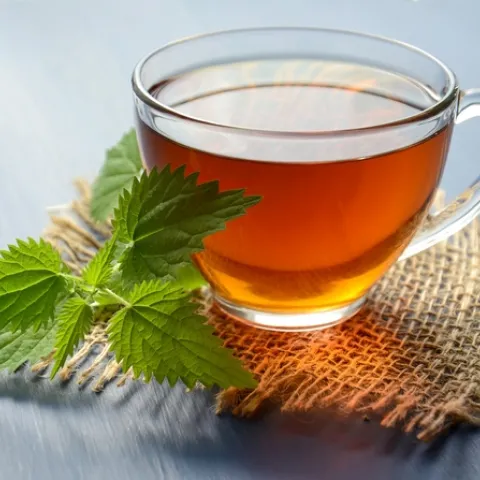
A cup of herb tea on a burlap coaster.

This week in the garden: Oct. 11 - 17

October 11, 2024
Tasks Top dress warm-season lawns with well-composted manure. Sharpen and clean tools for fall pruning. Adjust watering schedules to reflect cooler temperatures and shorter days. Pruning Leaf-fall is the time to start pruning - except for apricots and olives, which should have been done in August.
View Article
Primary Image
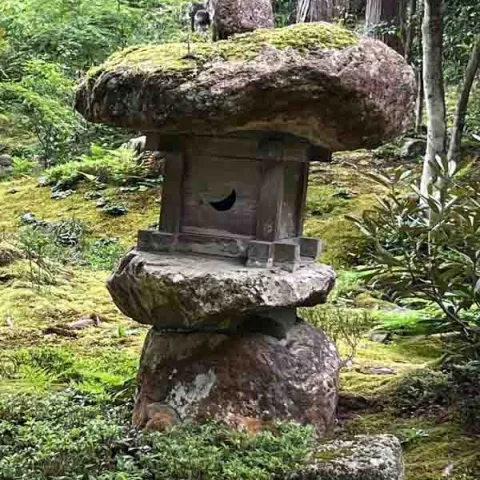
Stone lantern amid the moss at Sanzen-in garden in Ohara, northern Kyoto. J.C. Lawrence
The Real Dirt: Article

Ideas to Borrow from Japanese Gardens

October 11, 2024
There is a lot to learn from the long, venerable tradition of gardening in Japan, a point made in last week's Real Dirt, which focused on the history and meaning of Japanese gardens.
View Article