A Natural Solution for California's Herds: African Catfish Peptides

California's cattle producers and agricultural communities are all too familiar with the rising challenge of antibiotic resistance, making common bacterial infections harder to treat in livestock. But imagine a future where we could tackle these infections with a natural, powerful alternative. Our research points to just that: antimicrobial peptides (AMPs) found in African catfish.

We're really excited about these peptides because African catfish thrive in pathogen-rich freshwater, naturally producing these robust immune compounds in their skin mucus as a defense. This natural origin makes them highly appealing alternatives to synthetic drugs.

Predicted Safety and Potent Action

One of the most compelling aspects of these AMPs is their predicted safety for mammals. Our initial computer analyses suggest that various catfish AMPs are generally recognized as safe (GRAS). We predict they'll be absorbed in the human intestine without causing liver, brain, or heart toxicity. Furthermore, lab tests on a promising peptide, NACAP-II, confirmed it was non-hemolytic, meaning it didn't damage rabbit red blood cells—a strong indicator of its potential safety for mammalian cells.

Beyond safety, these peptides demonstrate effectiveness against problematic bacteria. One study revealed NACAP-II's strong activity against Extended-Spectrum Beta-Lactamase (ESBL)-producing Escherichia coli—a critical concern for both animal and human health due to its resistance to many common antibiotics. Another peptide, ACAP-IV, also showed antibacterial activity against E. coli and Staphylococcus aureus. We believe these AMPs work by directly disrupting bacterial cell membranes, a mechanism that makes it harder for bacteria to develop resistance compared to how they resist traditional antibiotics.
UCCE Lassen County: Article

August 2024

August 12, 2024
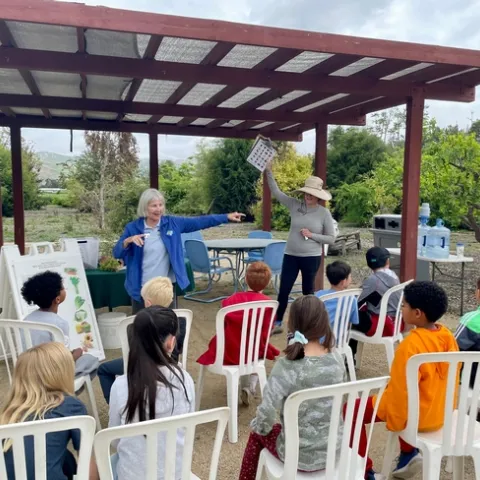
Hello All, Here's your August 2024 issue of the 4-H Roundup newsletter.
View Article
Primary Image
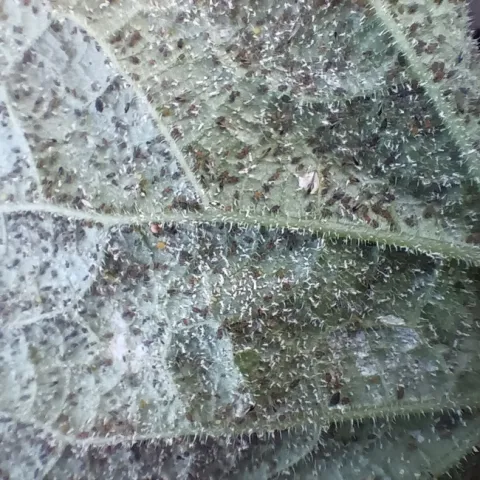
The reverse side of a cucumber leave covered in aphids and their excretions.
The Backyard Gardener: Article

2024: A Year of Disease and Pestilence

August 12, 2024
This year I was determined to create the model garden that I have long dreamed about, but those dreams of neat, weed-free rows of vegetables, trees hanging with fruit, and armfuls of flowers are far from being fulfilled.
View Article
Primary Image
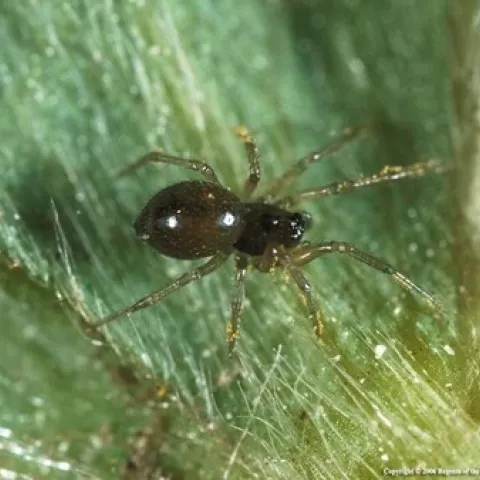
Photo of a Dwarf Spider

Spiders: Friends Not Foes

August 12, 2024
By Help Desk Team
This time of year, as the heat increases and things start to get dusty, you might see a number of webs on your plants. Uh oh.
View Article
Primary Image
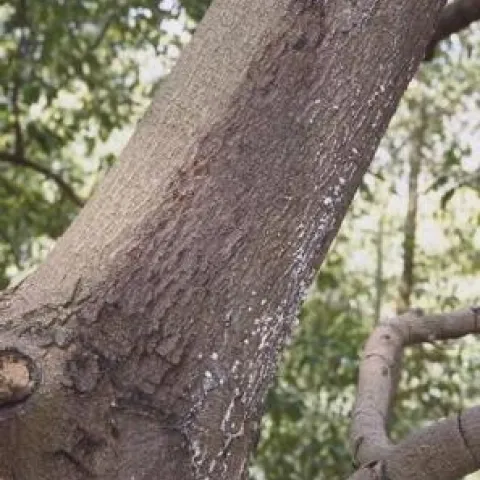
Black Streak can occur on trunks oro branches as small, scattered cankers. The name cones from the balckening that occurs around the infected area.
Topics in Subtropics: Article

Avocado Cankers

August 12, 2024
By Ben A Faber
Avocado Trunk Cankers This has been a low rainfall year, and often with the low rainfall, cankers will seem to suddenly appear on the woody parts of the tree. There are a number of causes for the white exudate from cankers on the trunk and limbs of avocado.
View Article
Primary Image
Mireya Molina, El Diamonte High School Student, serves as summer intern
Nut, Olive and Prune Programmatic News: Article

UCCE Tulare County Hosts El Diamonte High School Student Intern, Mireya Molina

August 11, 2024
By Elizabeth J Fichtner
Mireya Molina, a rising senior at El Diamonte High School, joined UCCE Tulare County as a 2024 summer research intern serving the nut, olive, and prune research and extension program. Mireya has a strong science background and is an active member of her high school horticulture and FFA programs.
View Article
Primary Image
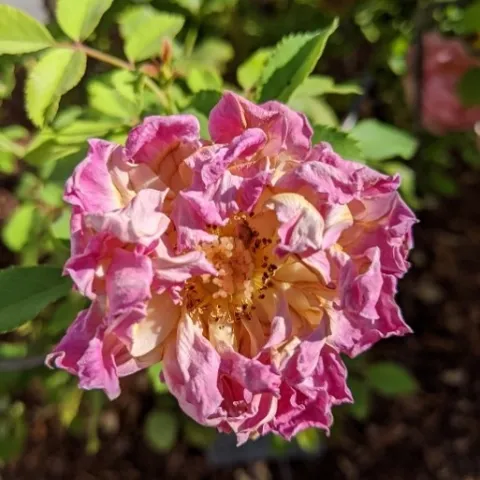
Picture of sunbaked rose petals
Fresno Gardening Green: Article

Rosie’s Corner: The heat has been hard on roses

August 10, 2024
Is everyone ready for some fall and winter weather? This summer's heat has been horrendous. I know I went over how to care for your roses in hot weather last month, but I thought I would stress again how to care for your roses during this miserable summer.
View Article