A Natural Solution for California's Herds: African Catfish Peptides

California's cattle producers and agricultural communities are all too familiar with the rising challenge of antibiotic resistance, making common bacterial infections harder to treat in livestock. But imagine a future where we could tackle these infections with a natural, powerful alternative. Our research points to just that: antimicrobial peptides (AMPs) found in African catfish.

We're really excited about these peptides because African catfish thrive in pathogen-rich freshwater, naturally producing these robust immune compounds in their skin mucus as a defense. This natural origin makes them highly appealing alternatives to synthetic drugs.

Predicted Safety and Potent Action

One of the most compelling aspects of these AMPs is their predicted safety for mammals. Our initial computer analyses suggest that various catfish AMPs are generally recognized as safe (GRAS). We predict they'll be absorbed in the human intestine without causing liver, brain, or heart toxicity. Furthermore, lab tests on a promising peptide, NACAP-II, confirmed it was non-hemolytic, meaning it didn't damage rabbit red blood cells—a strong indicator of its potential safety for mammalian cells.

Beyond safety, these peptides demonstrate effectiveness against problematic bacteria. One study revealed NACAP-II's strong activity against Extended-Spectrum Beta-Lactamase (ESBL)-producing Escherichia coli—a critical concern for both animal and human health due to its resistance to many common antibiotics. Another peptide, ACAP-IV, also showed antibacterial activity against E. coli and Staphylococcus aureus. We believe these AMPs work by directly disrupting bacterial cell membranes, a mechanism that makes it harder for bacteria to develop resistance compared to how they resist traditional antibiotics.
Primary Image
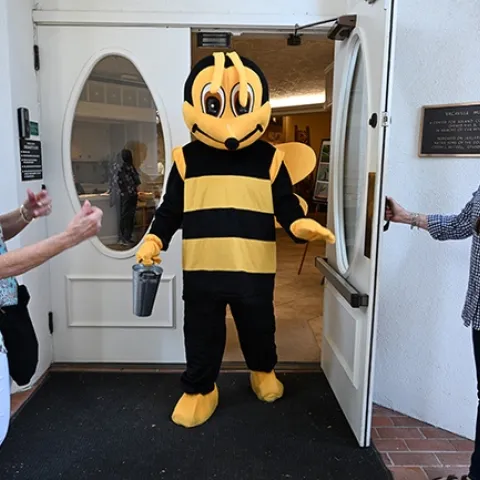
Hear that buzz? The Honey Bee (Dr. George Stock) enters the courtyard. With him are Vacaville Museum Guild members Georganne Gebers (right) of Vacaville, and Sharon Walters of Dixon. (Photo by Kathy Keatley Garvey)
Bug Squad: Article

A Honey of a Bee

August 9, 2024
By Kathy Keatley Garvey
Is there a doctor in the house? Is there a doctor in the courtyard? Is there a doctor in the honey bee costume? Yes! That was the scene at the Vacaville Museum Guild's Annual Children's Party, held Thursday morning, Aug. 8 in the museum courtyard on Buck Avenue.
View Article
Primary Image
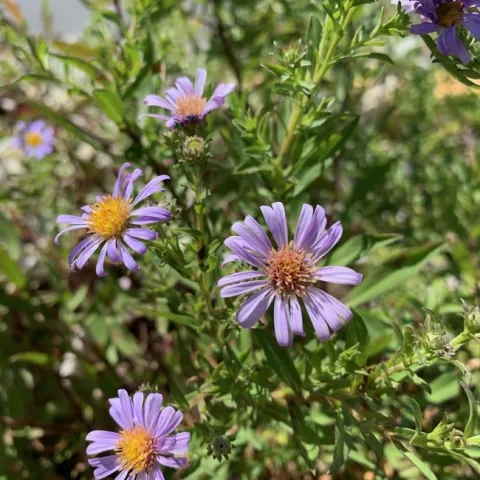
CA aster is a pollinator magnet. photo by Jennifer Baumbach
The Savvy Sage: Article

California Aster: The Resilient Beauty of Late Summer

August 9, 2024
By Jennifer M Baumbach
As summer begins to wane and many flowers fade, the California Aster enters the spotlight. This resilient wildflower, native to the western United States, brings a burst of color to gardens and landscapes when other blooms are winding down.
View Article
Article

Courtesy notice regarding annual systemwide payroll disclosure

August 9, 2024
By Pamela S Kan-Rice
Dear colleagues: As part of the university's commitment to transparency and public accountability, including the way it compensates faculty and staff, UC is conducting its annual disclosure of systemwide employee compensation for calendar year 2023.
View Article
Kern County: Article

Green Scene August 2024

August 9, 2024
Next Horticultural Tour - Spain and Portugal, May 2025 Master Gardener Program Sun and Shadow Tree Decline...
View Article
Article

EPA: Stop use of pesticide Dacthal (DCPA)

August 9, 2024
By Pamela S Kan-Rice
We wish to inform you that the EPA has issued an emergency order suspending the registrations of all pesticide products that contain DCPA (dimethyl tetrachloroterephthalate), also known as Dacthal. This order will prohibit the use of existing stocks of DCPA for any purpose, effective immediately.
View Article
Primary Image
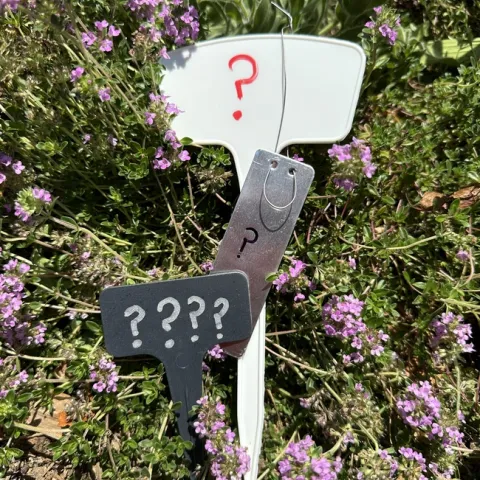
various plant labels, plastic, metal all with question marks on them with a backdrop of a creeping verbena that is purple
Under the Solano Sun: Article

Life Without Plant Labels (or

August 9, 2024
Long ago, I learned the importance of labeling my plants even when I was confident that I would remember what I planted and where. It turns out that my confidence was gravely misplaced too many times.
View Article
Primary Image
UCCE logo
UC Dry Bean Blog: Article

Reminder: 2024 UC Dry Bean Field Day

August 9, 2024
By Michelle M Leinfelder-Miles
We hope to see you next Thursday at the Field Day! UC Davis and UC Cooperative Extension will host the UC Dry Bean Field Day on Thursday, August 15, 2024 from 9:30am to 11:45am. The field day will begin at the Agronomy Field Headquarters (2400 Hutchison Drive) on the UC Davis campus.
View Article
Primary Image
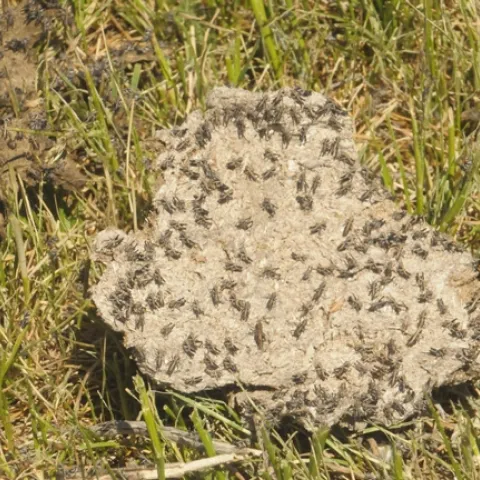
Grasshoppers congregate on the ground surrounded by blades of green grass.
Food Blog: Article

Grasshoppers gobble crops, farm profits

August 9, 2024
By Pamela S Kan-Rice
UCCE advisors share control, abatement strategies across Northern California That buzzing noise in Northern California is the sound of grasshoppers chewing a path of destruction through crops and pollinator-friendly plants as they hop across an expanding area.
View Article
Primary Image
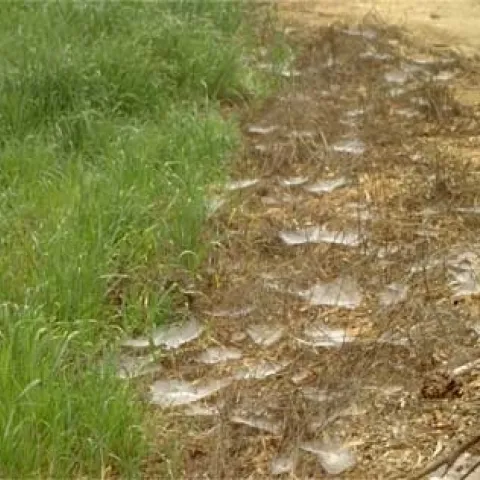
Funnel webs on the ground near tall grass.
Fresno Gardening Green: Article

Spiders are everywhere, most are harmless

August 9, 2024
Are you noticing an abundance of cobwebs outside, on plants, fences, homes, or outdoor furniture? While many people fear spiders or dislike their cobwebs, most spiders are beneficial to have around even in the home! Spiders are predators of many insect pests and rarely cause harm to people.
View Article
Primary Image
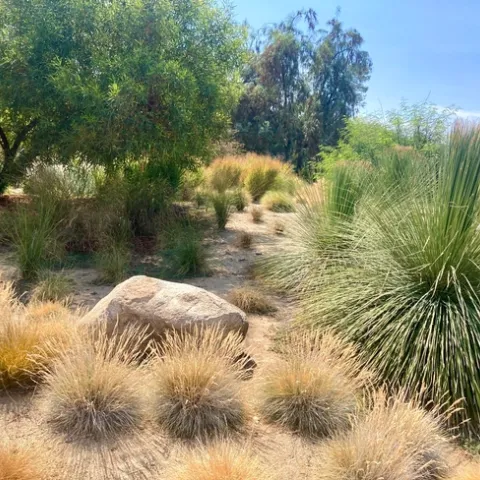
A variety of ornamental grasses.
Fresno Gardening Green: Article

This week in the garden: August 9 - 15

August 9, 2024
Take a stroll through your garden with a morning cup of coffee or tea. Collect ripened seeds of favorites and store for next year. Start planning for fall planting. Select plants that are resistant to common diseases and insect pests and choose an appropriate site for each one.
View Article