A Natural Solution for California's Herds: African Catfish Peptides

California's cattle producers and agricultural communities are all too familiar with the rising challenge of antibiotic resistance, making common bacterial infections harder to treat in livestock. But imagine a future where we could tackle these infections with a natural, powerful alternative. Our research points to just that: antimicrobial peptides (AMPs) found in African catfish.

We're really excited about these peptides because African catfish thrive in pathogen-rich freshwater, naturally producing these robust immune compounds in their skin mucus as a defense. This natural origin makes them highly appealing alternatives to synthetic drugs.

Predicted Safety and Potent Action

One of the most compelling aspects of these AMPs is their predicted safety for mammals. Our initial computer analyses suggest that various catfish AMPs are generally recognized as safe (GRAS). We predict they'll be absorbed in the human intestine without causing liver, brain, or heart toxicity. Furthermore, lab tests on a promising peptide, NACAP-II, confirmed it was non-hemolytic, meaning it didn't damage rabbit red blood cells—a strong indicator of its potential safety for mammalian cells.

Beyond safety, these peptides demonstrate effectiveness against problematic bacteria. One study revealed NACAP-II's strong activity against Extended-Spectrum Beta-Lactamase (ESBL)-producing Escherichia coli—a critical concern for both animal and human health due to its resistance to many common antibiotics. Another peptide, ACAP-IV, also showed antibacterial activity against E. coli and Staphylococcus aureus. We believe these AMPs work by directly disrupting bacterial cell membranes, a mechanism that makes it harder for bacteria to develop resistance compared to how they resist traditional antibiotics.
Primary Image
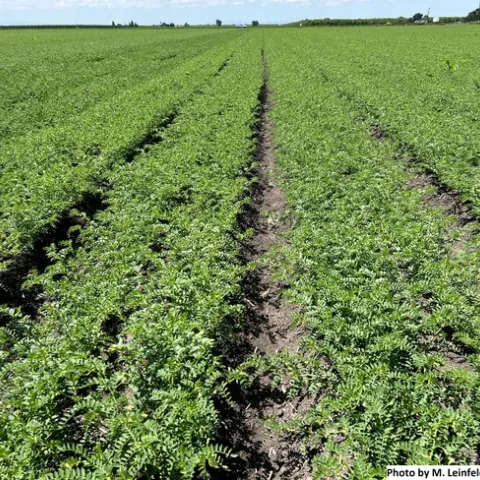
Fig. 1 Garbanzos at flowering.
UC Dry Bean Blog: Article

2024 Garbanzo Bean Variety Evaluation in San Joaquin County

August 16, 2024
By Michelle M Leinfelder-Miles
In 2024, UCCE began evaluating garbanzo varieties in Central Valley regional trials. In a San Joaquin County commercial field, we evaluated six advanced lines from the UC Davis garbanzo breeding program and two standard varieties (UC 27 and Sutter).
View Article
Primary Image
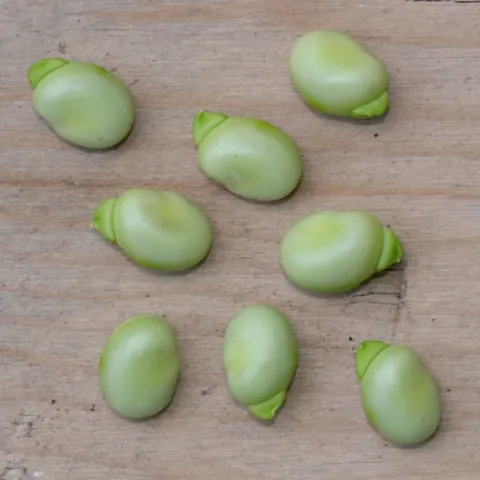
Fava beans
Fresno Gardening Green: Article

This week in the garden: August 16 - 22

August 16, 2024
Soak in the peace and quiet as late summer is winding down and days should cool soon. Tasks Use old vegetable plants and summer annuals to start a compost pile. Add fall leaves as they drop from trees.
View Article
Primary Image
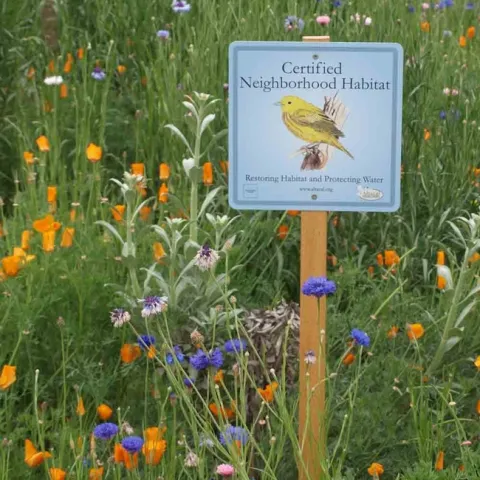
Neighborhood Habitat Certification is the topic of the first Master Gardener workshop this Fall. Altacal Audubon Society
The Real Dirt: Article

Master Gardener 2024 Fall Workshop Series

August 16, 2024
A new season of Master Gardener Workshops is about to start! The series begins September 9th with a session on Neighborhood Habitat Certification, and concludes on December 3rd with a timely workshop on Perennial Vegetable Gardening.
View Article
Primary Image
Echibeckia 'Blazing Fire'. photos by Heather Hamilton

Rudbeckia

August 15, 2024
There are several cultivars of this perennial flower commonly known as the Black Eyed Susan. One of the cultivars you have most likely seen in the landscape and nurseries is R. hirta Indian Summer' which gained popularity in 1995 as a winner from the All-American Selections.
View Article
Primary Image
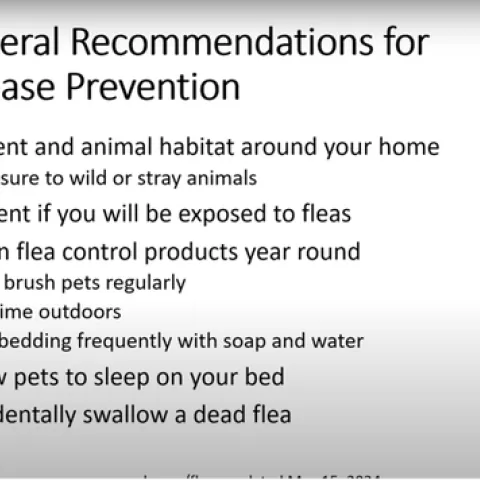
CDC General Recommendations for Flea Disease Prevention: reduce rodent and animal habitat around your home; limit exposure to wild or stray animals; wear repellent if you will be exposed to fleas; keep pets on flea control products year round; bathe and brush pets regularly; limit pet time outdoors; clean pet bedding frequently with soap and water; do not allow pets to sleep on your bed; do not accidentally swallow a dead flea.

Fleeing Fleas!

August 15, 2024
By Lauren Fordyce
Fleas can be found on pets year-round, but populations tend to increase dramatically in spring and summer when temperatures are warmer. Larvae develop rapidly in areas where temperatures reach 70 to 90F.
View Article