A Natural Solution for California's Herds: African Catfish Peptides

California's cattle producers and agricultural communities are all too familiar with the rising challenge of antibiotic resistance, making common bacterial infections harder to treat in livestock. But imagine a future where we could tackle these infections with a natural, powerful alternative. Our research points to just that: antimicrobial peptides (AMPs) found in African catfish.

We're really excited about these peptides because African catfish thrive in pathogen-rich freshwater, naturally producing these robust immune compounds in their skin mucus as a defense. This natural origin makes them highly appealing alternatives to synthetic drugs.

Predicted Safety and Potent Action

One of the most compelling aspects of these AMPs is their predicted safety for mammals. Our initial computer analyses suggest that various catfish AMPs are generally recognized as safe (GRAS). We predict they'll be absorbed in the human intestine without causing liver, brain, or heart toxicity. Furthermore, lab tests on a promising peptide, NACAP-II, confirmed it was non-hemolytic, meaning it didn't damage rabbit red blood cells—a strong indicator of its potential safety for mammalian cells.

Beyond safety, these peptides demonstrate effectiveness against problematic bacteria. One study revealed NACAP-II's strong activity against Extended-Spectrum Beta-Lactamase (ESBL)-producing Escherichia coli—a critical concern for both animal and human health due to its resistance to many common antibiotics. Another peptide, ACAP-IV, also showed antibacterial activity against E. coli and Staphylococcus aureus. We believe these AMPs work by directly disrupting bacterial cell membranes, a mechanism that makes it harder for bacteria to develop resistance compared to how they resist traditional antibiotics.
Primary Image
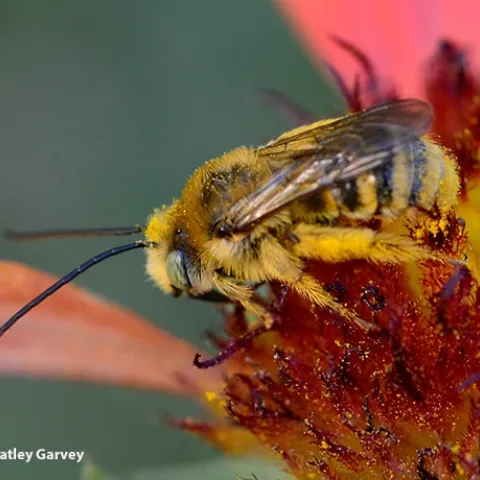
Svastra obliqua, "the sunflower bee," foraging on a blanketflower, Gaillardia. (Photo by Kathy Keatley Garvey)
Bug Squad: Article

Svastra: the Sunflower Bee

August 5, 2024
By Kathy Keatley Garvey
It's nicknamed "the sunflower bee" for good reason. It forages on sunflowers. We recently spotted a longhorned bee, Svastra obliqua, also called "the sunflower bee," on Gaillardia, aka blanket flower, a member of the sunflower family, Asteracease.
View Article
Primary Image
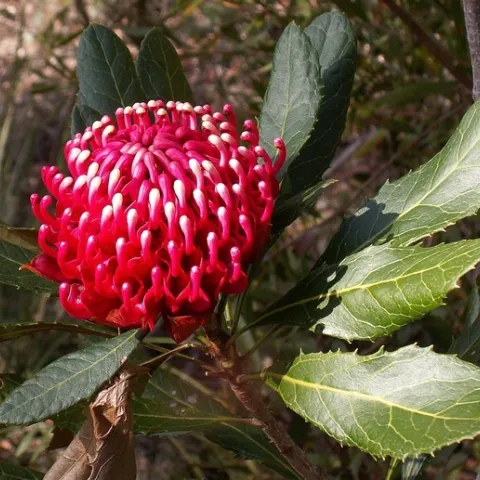
https://en.wikipedia.org/wiki/Waratah#/media/File:Telopea_aspera_inflorescence.JPG
The Savvy Sage: Article

Transplanted Gardener

August 5, 2024
We are a gardening family, nothing very grandiose, garden size and configuration determined by the situation, a few pots or postage stamp sized at times, other times more landscaped.
View Article
UC Master Gardener Program Statewide Blog: Article

August Garden Tips - Keeping our Summer Gardens Going

August 5, 2024
By Barbra Braaten
Summer is flying by and somehow it is already August, kids are going back to school and we are starting to dream of fall gardens. Our August gardens still need our love and care though.
View Article
Primary Image
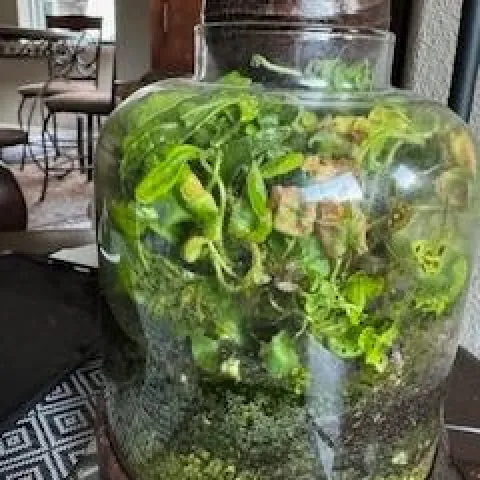
photos by Jennifer DeDora
Under the Solano Sun: Article

Closed Terrarium: 6-Month Follow Up

August 5, 2024
As you can see, my closed terrarium experiment was a success! For those who didn't happen to catch my first blog about this terrarium, my son and I decided to try to make one after seeing multiple social media posts about creating one. Here is the link to that blog. https://ucanr.
View Article
Primary Image
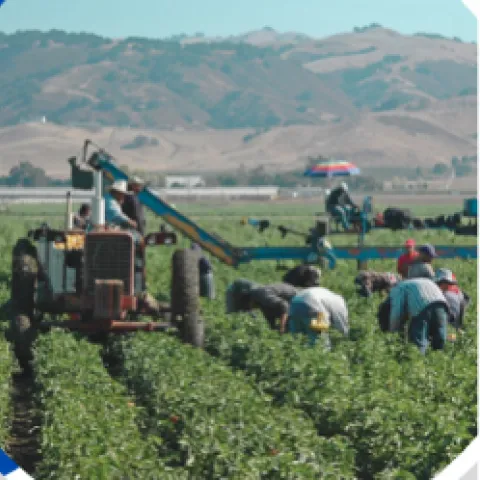
workers in the field
Topics in Subtropics: Article

Ag Labor Workshops for Employers and Supervisors

August 5, 2024
By Ben A Faber
Ag Labor Management Education Program: General Descriptions and Dates Ag employers and their supervisory staff must remain informed of new labor laws and regulatory requirements to protect workers, their operations and their assets.
View Article
Primary Image
TOR (2)
UC Rice Blog: Article

Announcing a new UCCE rice podcast - Thoughts on Rice!

August 5, 2024
By Sarah Marsh Janish
We are excited to announce the launch of a new rice podcast, "Thoughts on Rice", hosted by the UCCE Rice Advisors and found wherever you listen to podcasts. This podcast is for growers, PCAs, consultants, and other industry professionals in the California rice industry.
View Article