A Natural Solution for California's Herds: African Catfish Peptides

California's cattle producers and agricultural communities are all too familiar with the rising challenge of antibiotic resistance, making common bacterial infections harder to treat in livestock. But imagine a future where we could tackle these infections with a natural, powerful alternative. Our research points to just that: antimicrobial peptides (AMPs) found in African catfish.

We're really excited about these peptides because African catfish thrive in pathogen-rich freshwater, naturally producing these robust immune compounds in their skin mucus as a defense. This natural origin makes them highly appealing alternatives to synthetic drugs.

Predicted Safety and Potent Action

One of the most compelling aspects of these AMPs is their predicted safety for mammals. Our initial computer analyses suggest that various catfish AMPs are generally recognized as safe (GRAS). We predict they'll be absorbed in the human intestine without causing liver, brain, or heart toxicity. Furthermore, lab tests on a promising peptide, NACAP-II, confirmed it was non-hemolytic, meaning it didn't damage rabbit red blood cells—a strong indicator of its potential safety for mammalian cells.

Beyond safety, these peptides demonstrate effectiveness against problematic bacteria. One study revealed NACAP-II's strong activity against Extended-Spectrum Beta-Lactamase (ESBL)-producing Escherichia coli—a critical concern for both animal and human health due to its resistance to many common antibiotics. Another peptide, ACAP-IV, also showed antibacterial activity against E. coli and Staphylococcus aureus. We believe these AMPs work by directly disrupting bacterial cell membranes, a mechanism that makes it harder for bacteria to develop resistance compared to how they resist traditional antibiotics.
Primary Image
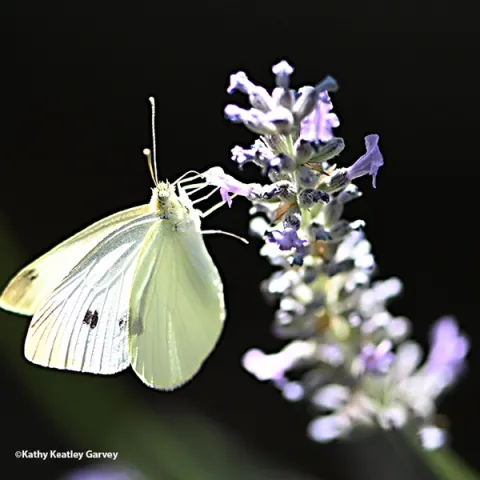
A cabbage white butterfly nectaring on lavender in a Vacaville garden. (Photo by Kathy Keatley Garvey)
Bug Squad: Article

Cinderella and the White Cabbage Butterfly

July 2, 2024
By Kathy Keatley Garvey
If Cinderella were a butterfly, she'd probably be a white cabbage butterfly, Pieris rapae. The butterfly--in its larval stage it's a pest of cucurbits--is stunning as an adult. Just think of a flowing white gown, exquisite pirouettes, and a flutter like no other.
View Article
Primary Image
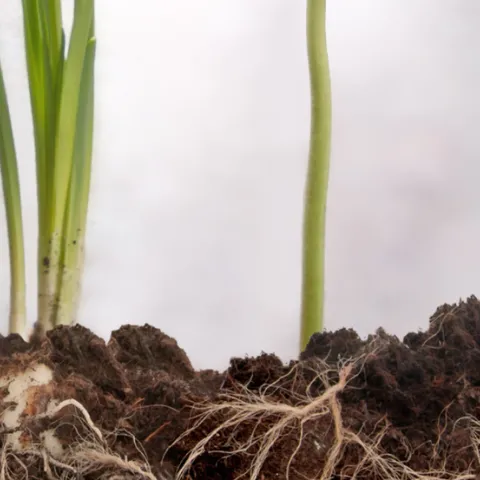
flower roots
UC Master Gardener Coordinators: Article

Rooted in Marketing - July 2024

July 2, 2024
By Barbra Braaten
Our gardens are thriving and giving us lots to enjoy this month. Summer is a busy time, and there is always something new to discuss. This month, we are focusing on accessibility and ensuring everyone can enjoy our shared content. Here's what you'll find in this month's issue of Rooted in Marketing:August…
View Article
Primary Image
New Blog Banner
San Joaquin 4-H News: Article

2024-2025 4-H Program Year

July 2, 2024
By Angela Tipsey
The 2023-2024 4-H Youth Development Program year ended on June 30, 2024. The ZSuite online enrollment system is currently unavailable in preparation for the 2024-2025 program year enrollments.
View Article
The Savvy Sage: Article

Garden Gem

July 2, 2024
After galumphing' around Central Park Gardens in Davis for some time trying to catch the perfect photo of this brilliant green scarab beetle Cotinus mutabilis (commonly called figeater beetle) it was clear it wouldn't settle and pose for me.
View Article
Primary Image
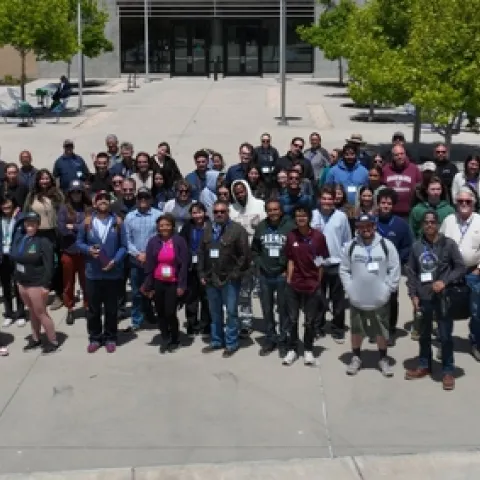
DroneCamp 2024 Group Photo
IGIS: Article

Stories from DroneCamp 2024

July 2, 2024
By Andy Lyons, Priyanka D Vyas, Sean D Hogan, Genoa Starrs
We bring you stories from DroneCamp 2024, now in its 8th year and wrapping up a successful week at CSU Monterey Bay. Meet Barbara Satink Wolfson, one of the 5 fire advisors in UC Cooperative Extension.
View Article
Primary Image
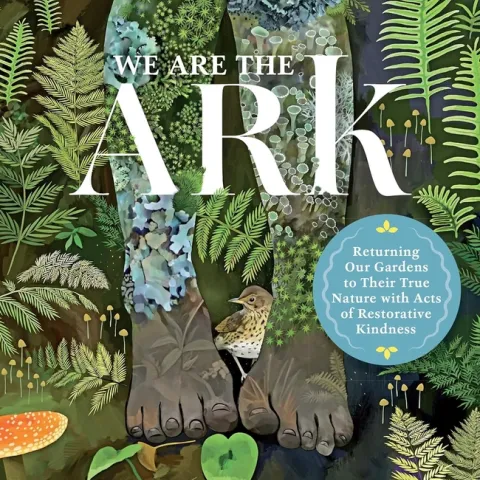
we are the ark
Under the Solano Sun: Article

The Book Corner: We are the ARK

July 2, 2024
In Henry David Thoreau's essay, Walking, he observed, In Wildness is the preservation of the world. I have always viewed Thoreau's vision as a statement of forward-thinking hope.
View Article