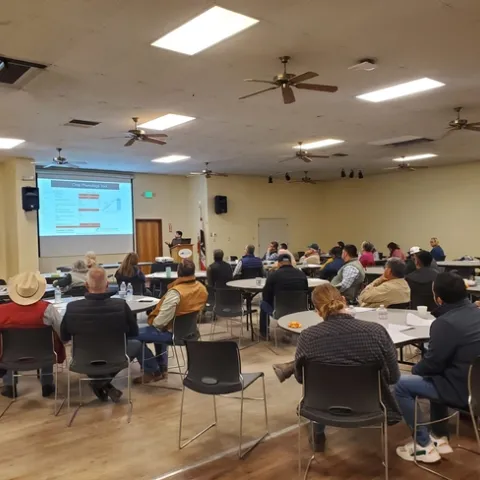
A Natural Solution for California's Herds: African Catfish Peptides

California's cattle producers and agricultural communities are all too familiar with the rising challenge of antibiotic resistance, making common bacterial infections harder to treat in livestock. But imagine a future where we could tackle these infections with a natural, powerful alternative. Our research points to just that: antimicrobial peptides (AMPs) found in African catfish.

We're really excited about these peptides because African catfish thrive in pathogen-rich freshwater, naturally producing these robust immune compounds in their skin mucus as a defense. This natural origin makes them highly appealing alternatives to synthetic drugs.

Predicted Safety and Potent Action

One of the most compelling aspects of these AMPs is their predicted safety for mammals. Our initial computer analyses suggest that various catfish AMPs are generally recognized as safe (GRAS). We predict they'll be absorbed in the human intestine without causing liver, brain, or heart toxicity. Furthermore, lab tests on a promising peptide, NACAP-II, confirmed it was non-hemolytic, meaning it didn't damage rabbit red blood cells—a strong indicator of its potential safety for mammalian cells.

Beyond safety, these peptides demonstrate effectiveness against problematic bacteria. One study revealed NACAP-II's strong activity against Extended-Spectrum Beta-Lactamase (ESBL)-producing Escherichia coli—a critical concern for both animal and human health due to its resistance to many common antibiotics. Another peptide, ACAP-IV, also showed antibacterial activity against E. coli and Staphylococcus aureus. We believe these AMPs work by directly disrupting bacterial cell membranes, a mechanism that makes it harder for bacteria to develop resistance compared to how they resist traditional antibiotics.
Primary Image
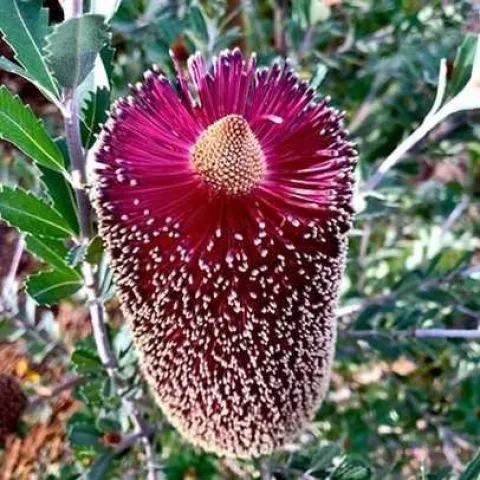
Banksia praemorsa Red. Photo courtesy of Waltzing Matilija Nursery, www.waltzingmatilija.com
UC Master Gardener Program of Contra Costa County: Article

Tropical Style Plants for Summer Dry Climates

June 29, 2024
by Cynthia Engers Many of us enjoy the look of plantings we may have seen on vacation and might like to grow some similar plants in our own gardens. Of course, we dont live in the tropics or Hawaii, so it goes without saying that we cant really duplicate a tropical garden in Contra Costa County.
View Article
UC Master Gardener Program of Contra Costa County: Article

Why some Stress might be Good for your Succulents

June 29, 2024
by Hedwig Van Den Broeck In this article, wed like to address the amazing color changes in outdoor growing succulents that produce more beautiful and vibrant colors when exposed to stressful conditions.
View Article
Primary Image
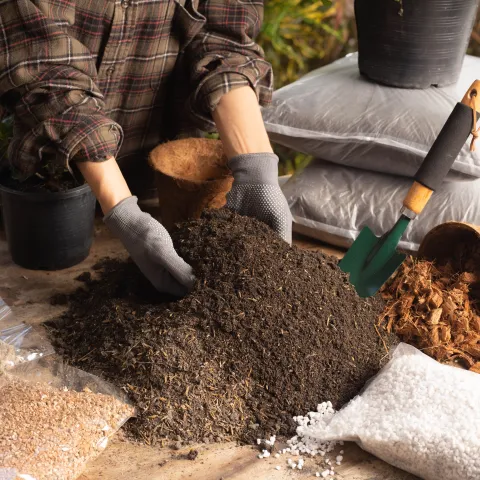
A woman builds her own potting soil. Courtesy Shutterstock.
UC Master Gardener Program of Contra Costa County: Article

Container Soil Recipes for Small Spaces Gardening

June 29, 2024
by David George All plants require four essential elements: sun, water, air, and fertile soil with space to grow. Container plants are no exception. Because they are not grown in native soil though, container plants have special soil needs.
View Article
Primary Image
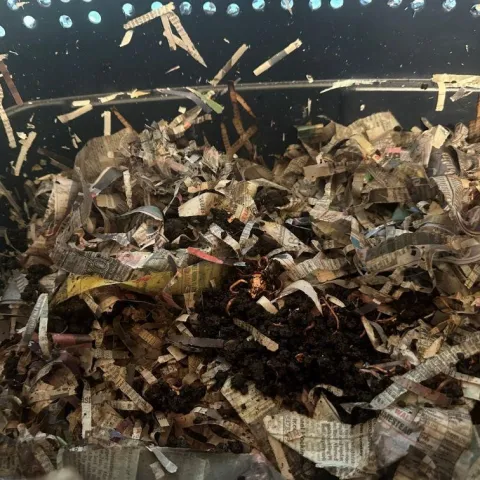
Bin with fresh bedding in place. Photo courtesy of Lorraine Frey.
UC Master Gardener Program of Contra Costa County: Article

Composting in Small Spaces

June 29, 2024
by Lorraine Frey Vermiculture, also known as worm composting or vermicomposting, is the practice of raising worms to convert organic waste into nutrient-rich compost for plants. It's a sustainable gardening technique that can reduce waste and improve soil health.
View Article
Primary Image
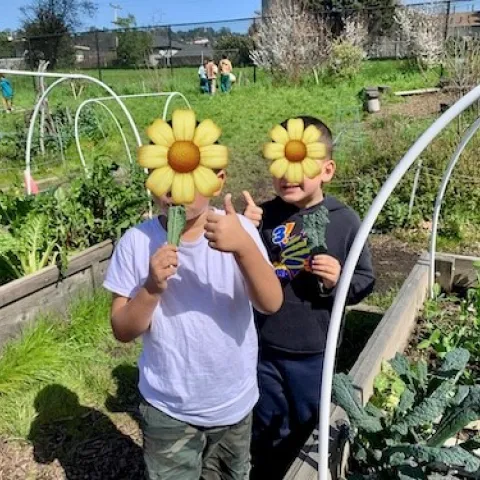
Eager School Garden Learners
UC Master Gardener Program of Contra Costa County: Article

Master Gardeners and School Gardens

June 29, 2024
by David George and Pam Austin Did you know that the UC Master Gardener Program of Contra Costa County has an active support program for school gardens in the county? Does your public or private school have an existing vegetable or flower garden that needs sprucing up?
View Article
Primary Image
Embers-Courtesy Pexels-Pixabay
UC Master Gardener Program of Contra Costa County: Article

Understanding Defensible Space Zone 0

June 29, 2024
by Hedwig Van Den Broeck As we continue our series on "Home Landscaping for Fire Safety", we will now delve deeper into the topic of developing fire-resistant landscaping in Fire Zone 0. Zone ZERO means Zero combustibles. Defensible Space Zone 0 refers to the immediate area (05 ft.
View Article
UC Master Gardener Program of Contra Costa County: Article

Award for UCMGCCC Richmond Low Water Demonstration Garden!

June 29, 2024
The East Bay Municipal Utility District Board of Directors recognized the outstanding skill and dedication of the UC Master Gardeners of Contra Costa County and the City of Richmond Parls and Landscaping Division who have made the Richmond City Hall gardens a true demonstration of partnership, stewa...
View Article
Primary Image
cabbage-1850722 1280 Pixabay

Body and Soil

June 29, 2024
One of the great pleasures of gardening is the reward and satisfaction of walking among your plants and seeing the unique way you have displayed your horticultural talents. A garden is a gift you give to yourself as well as to all those who take the time to appreciate your handiwork.
View Article