A Natural Solution for California's Herds: African Catfish Peptides

California's cattle producers and agricultural communities are all too familiar with the rising challenge of antibiotic resistance, making common bacterial infections harder to treat in livestock. But imagine a future where we could tackle these infections with a natural, powerful alternative. Our research points to just that: antimicrobial peptides (AMPs) found in African catfish.

We're really excited about these peptides because African catfish thrive in pathogen-rich freshwater, naturally producing these robust immune compounds in their skin mucus as a defense. This natural origin makes them highly appealing alternatives to synthetic drugs.

Predicted Safety and Potent Action

One of the most compelling aspects of these AMPs is their predicted safety for mammals. Our initial computer analyses suggest that various catfish AMPs are generally recognized as safe (GRAS). We predict they'll be absorbed in the human intestine without causing liver, brain, or heart toxicity. Furthermore, lab tests on a promising peptide, NACAP-II, confirmed it was non-hemolytic, meaning it didn't damage rabbit red blood cells—a strong indicator of its potential safety for mammalian cells.

Beyond safety, these peptides demonstrate effectiveness against problematic bacteria. One study revealed NACAP-II's strong activity against Extended-Spectrum Beta-Lactamase (ESBL)-producing Escherichia coli—a critical concern for both animal and human health due to its resistance to many common antibiotics. Another peptide, ACAP-IV, also showed antibacterial activity against E. coli and Staphylococcus aureus. We believe these AMPs work by directly disrupting bacterial cell membranes, a mechanism that makes it harder for bacteria to develop resistance compared to how they resist traditional antibiotics.
Primary Image
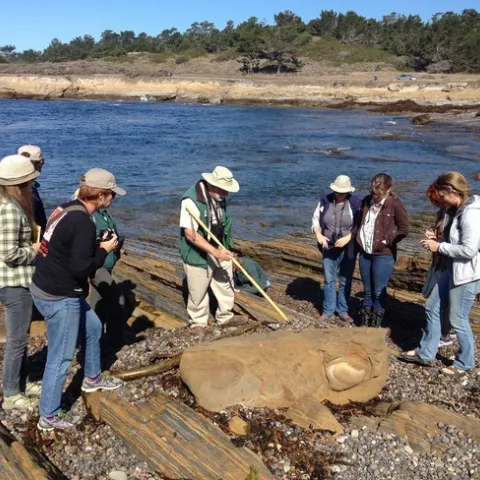
Eight people gather around Clifton as he points to fossils with a pole.

Why become a certified California Naturalist?

June 28, 2024
By Pamela S Kan-Rice
I recently came across a national forum thread on iNaturalist where someone was curious to know more about the value of becoming a certified naturalist. Not surprisingly there were a wide range of opinions. These ranged from supportive to skeptical to cynical.
View Article
Primary Image
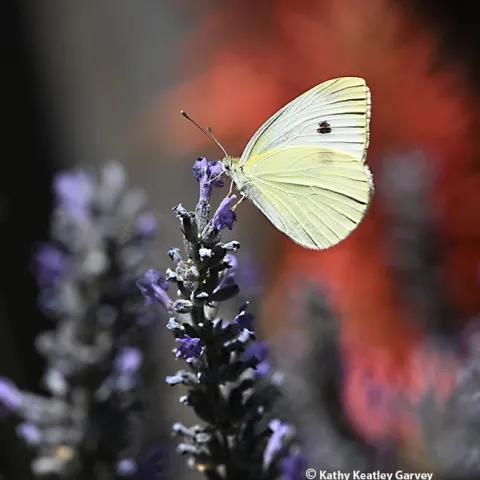
A cabbage white butterfly, Pieris rapae, nectaring on lavender in a Vacaville garden on June 24. Next Wednesday, July 4, promises to be a scorcher at 106 degrees. (Photo by Kathy Keatley Garvey)

The Heat. The Butterflies. The Butterfly Guru.

June 28, 2024
By Kathy Keatley Garvey
Don't expect to see UC Davis distinguished professor emeritus Art Shapiro monitoring butterflies on the 4th of July. There's a good reason why. Shapiro has monitored the butterfly populations of central California since 1972 and maintains a research site at https://butterfly.ucdavis.edu.
View Article
Primary Image
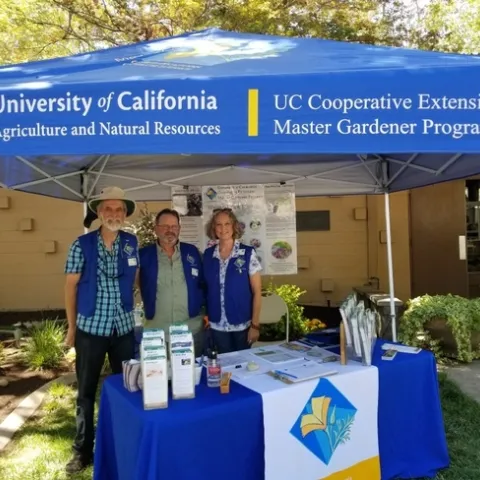
Three volunteers under a blue tent smiling.
The Stanislaus Sprout: Article

See you at the Stanislaus County Fair! (July 5-14, 2024)

June 28, 2024
By Anne E Schellman
Summer is here, and so is the Stanislaus County Fair! Our local University of California Cooperative Extension (UCCE) Master Gardener Program volunteers are excited to have a presence at the fair this year.
View Article
Primary Image
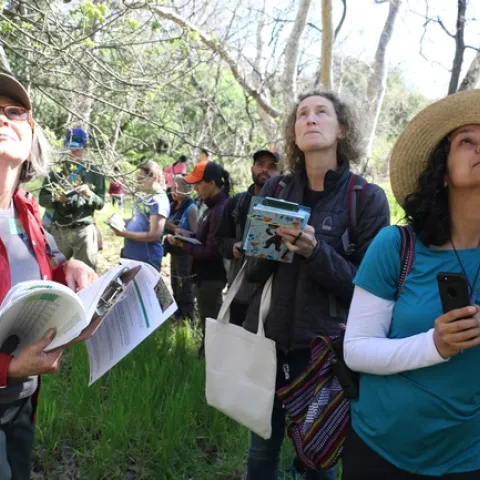
A group of California Naturalist collect data in a forest
UC Environmental Stewards Blog: Article

Why Become a Certified California Naturalist?

June 28, 2024
By Gregory C Ira
I recently came across a national forum thread on iNaturalist where someone was curious to know more about the value of becoming a certified naturalist. Not surprisingly, there was a wide range of opinions. These ranged from supportive to skeptical to cynical.
View Article
Primary Image
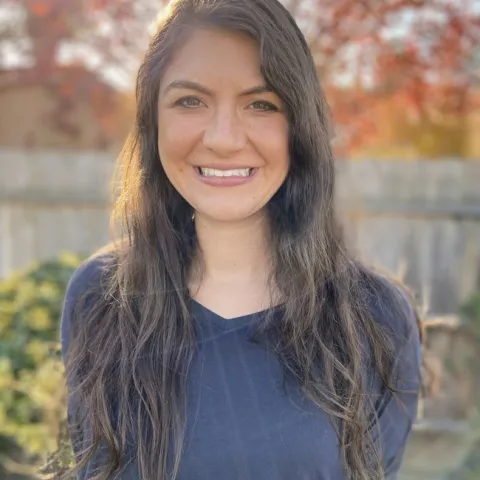
Claire Beveridge

Names in the News

June 28, 2024
By Pamela S Kan-Rice
Beveridge joins ANR's Small Farms team Claire Beveridge joined UC ANR on April 1 as a small farms water conservation academic coordinator in Fresno County with support to Tulare and Madera counties. She is also part of the statewide Sustainable Agriculture Research and Education Program, or SAREP.
View Article
ANR Employee News: Article

Renewable Resources Extension Act Statewide Program calls for proposals

June 28, 2024
By Pamela S Kan-Rice
The UC ANR Renewable Resources Extension Act Statewide Program is soliciting proposals that will develop and/or support new or existing UC Cooperative Extension projects and activities addressing the educational and extension needs in the management of California's renewable resources on forest and...
View Article