A Natural Solution for California's Herds: African Catfish Peptides

California's cattle producers and agricultural communities are all too familiar with the rising challenge of antibiotic resistance, making common bacterial infections harder to treat in livestock. But imagine a future where we could tackle these infections with a natural, powerful alternative. Our research points to just that: antimicrobial peptides (AMPs) found in African catfish.

We're really excited about these peptides because African catfish thrive in pathogen-rich freshwater, naturally producing these robust immune compounds in their skin mucus as a defense. This natural origin makes them highly appealing alternatives to synthetic drugs.

Predicted Safety and Potent Action

One of the most compelling aspects of these AMPs is their predicted safety for mammals. Our initial computer analyses suggest that various catfish AMPs are generally recognized as safe (GRAS). We predict they'll be absorbed in the human intestine without causing liver, brain, or heart toxicity. Furthermore, lab tests on a promising peptide, NACAP-II, confirmed it was non-hemolytic, meaning it didn't damage rabbit red blood cells—a strong indicator of its potential safety for mammalian cells.

Beyond safety, these peptides demonstrate effectiveness against problematic bacteria. One study revealed NACAP-II's strong activity against Extended-Spectrum Beta-Lactamase (ESBL)-producing Escherichia coli—a critical concern for both animal and human health due to its resistance to many common antibiotics. Another peptide, ACAP-IV, also showed antibacterial activity against E. coli and Staphylococcus aureus. We believe these AMPs work by directly disrupting bacterial cell membranes, a mechanism that makes it harder for bacteria to develop resistance compared to how they resist traditional antibiotics.
Primary Image
image001
Bug Squad: Article

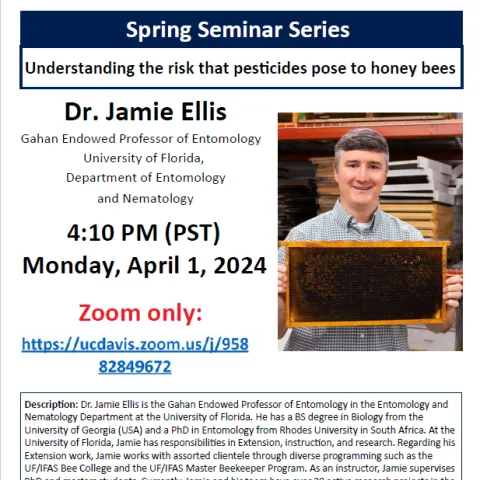
Don’t Miss This Seminar on Pesticides and Honey Bees

March 29, 2024
By Kathy Keatley Garvey
Noted bee scientist Jamie Ellis, a University of Florida professor, will speak on "Understanding the Risks that Pesticides Pose to Honey Bees" at a UC Davis seminar at 4:10 p.m., Monday, April 1. This is a zoom seminar.
View Article
UC Master Gardener Program of Contra Costa County: Article

How to Become a UC Master Gardener of Contra Costa County Volunteer!

March 29, 2024
by Bonnie Dwyer Here are some experiences shared by our extraordinary group of UC Master Gardeners of Contra Costa County: Making NEW friends, Meeting INTERESTING people, Hearing about FASCINATING topics, Learning REWARDING lessons, Having DELIGHTFUL encounters, dealing with CHALLENGING questions, G...
View Article
Primary Image
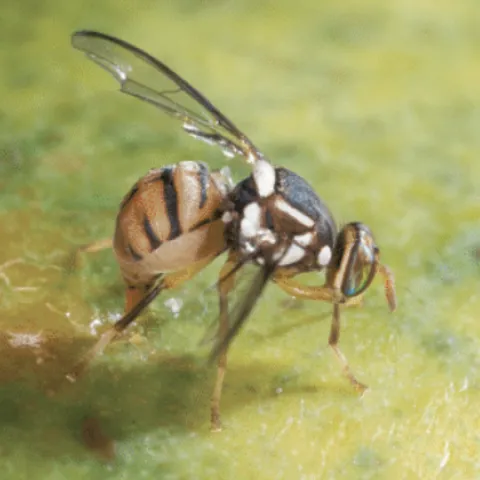
Oriental Fruit Fly Courtesy CDFA
UC Master Gardener Program of Contra Costa County: Article

Invasive Oriental Fruit Fly Quarantine in Our Area

March 29, 2024
by Paige Shewmaker On behalf of the California Department of Food and Agriculture, I am providing you with some informational resources for residents regarding an invasive fruit fly quarantine in your area.
View Article
Shasta County: Article

2024 April Tips 'N Topics

March 29, 2024
In this issue: County 4-H Ambassadors Needed Gently Used Whites Available Build a Pollination Garden 4-H Thriving Model County Presentation Day Memorial Day Flag Placement & Pick-Up Fuzzy Goat Show UC Master Gardener Garden Fair County Fashion Revue Spirit Award Valley Field Day April Birthdays...
View Article
Primary Image
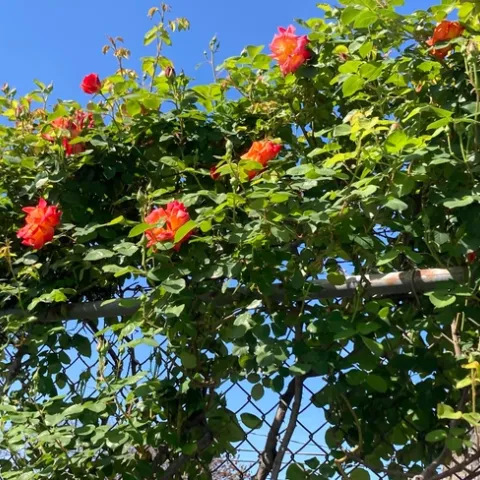
Climbing coral roses on a chain link fence.
Fresno Gardening Green: Article

This week in the garden: March 29 - April 4

March 29, 2024
Late March or early April is the end of the spring planting season; roots need to become established before the summer heat. Tasks Watch for powdery mildew on susceptible plants. Rotate the fungicide used since the fungus may develop resistance.
View Article