A Natural Solution for California's Herds: African Catfish Peptides

California's cattle producers and agricultural communities are all too familiar with the rising challenge of antibiotic resistance, making common bacterial infections harder to treat in livestock. But imagine a future where we could tackle these infections with a natural, powerful alternative. Our research points to just that: antimicrobial peptides (AMPs) found in African catfish.

We're really excited about these peptides because African catfish thrive in pathogen-rich freshwater, naturally producing these robust immune compounds in their skin mucus as a defense. This natural origin makes them highly appealing alternatives to synthetic drugs.

Predicted Safety and Potent Action

One of the most compelling aspects of these AMPs is their predicted safety for mammals. Our initial computer analyses suggest that various catfish AMPs are generally recognized as safe (GRAS). We predict they'll be absorbed in the human intestine without causing liver, brain, or heart toxicity. Furthermore, lab tests on a promising peptide, NACAP-II, confirmed it was non-hemolytic, meaning it didn't damage rabbit red blood cells—a strong indicator of its potential safety for mammalian cells.

Beyond safety, these peptides demonstrate effectiveness against problematic bacteria. One study revealed NACAP-II's strong activity against Extended-Spectrum Beta-Lactamase (ESBL)-producing Escherichia coli—a critical concern for both animal and human health due to its resistance to many common antibiotics. Another peptide, ACAP-IV, also showed antibacterial activity against E. coli and Staphylococcus aureus. We believe these AMPs work by directly disrupting bacterial cell membranes, a mechanism that makes it harder for bacteria to develop resistance compared to how they resist traditional antibiotics.


Primary Image
RNAi Technology in Crop Protection-S. K. Dara
E-Journal of Entomology and Biologicals: Article

RNAi technology: another biological tool in the IPM arsenal

March 27, 2024
As the food production faces the persistent threat of endemic and invasive pests, researchers continue to develop new technologies and strategies for protecting crops from these threats. One such new technology is RNA interference (RNAi) with targeted mechanisms towards specific pests.
View Article
Kings County UC Cooperative Extension: Article

Cool Season Cropping Systems in the San Joaquin Valley

March 27, 2024
UC COOPERATIVE EXTENSION FIELD DAY Cool Season Cropping Systems in the San Joaquin Valley 4/18/2024, 9:45 AM 12:30 PM FREE to Attend. REGISTRATION requested. Please register by clicking HERE or follow https://surveys.ucanr.edu/survey.
View Article
Kings County UC Cooperative Extension: Article

Cool Season Cropping Systems in the San Joaquin Valley

March 27, 2024
UC COOPERATIVE EXTENSION FIELD DAY Cool Season Cropping Systems in the San Joaquin Valley 4/18/2024, 9:45 AM 12:30 PM FREE to Attend. REGISTRATION requested. Please register by clicking HERE or follow https://surveys.ucanr.edu/survey.
View Article
Primary Image
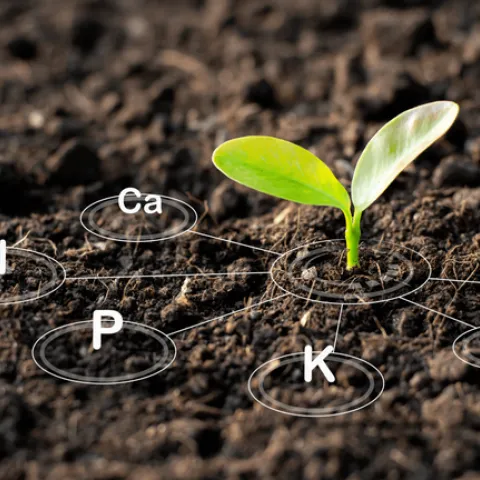
SoilNutrients
San Diego County Climate Smart Agriculture: Article

Want Healthy Soil?

March 27, 2024
By Michael Jaquez
The Healthy Soils Program incentive grant provides funding to implement a variety of conservation management practices that improve soil health, sequester carbon, and reduce greenhouse gases.
View Article
Tulare County Cooperative Extension: Article

Cool Season Cropping Systems in the San Joaquin Valley

March 27, 2024
UC COOPERATIVE EXTENSION FIELD DAY Cool Season Cropping Systems in the San Joaquin Valley 4/18/2024, 9:45 AM 12:30 PM FREE to Attend. REGISTRATION requested. Please register by clicking HERE or follow https://surveys.ucanr.edu/survey.
View Article
Tulare County Cooperative Extension: Article

Cool Season Cropping Systems in the San Joaquin Valley

March 27, 2024
UC COOPERATIVE EXTENSION FIELD DAY Cool Season Cropping Systems in the San Joaquin Valley 4/18/2024, 9:45 AM 12:30 PM FREE to Attend. REGISTRATION requested. Please register by clicking HERE or follow https://surveys.ucanr.edu/survey.
View Article
Primary Image
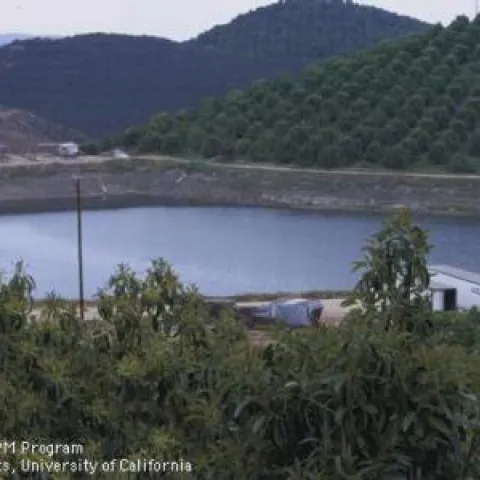
irrigation pond
Topics in Subtropics: Article

Sewage to Sustenance

March 27, 2024
By Ben A Faber
Jules Bernstein - UC Riverside, Senior Public Information Officer Plant materials that would otherwise become trash may be the key to solving two big problems: diminishing freshwater supplies for farms and diminishing effectiveness of antibiotics.
View Article
Primary Image
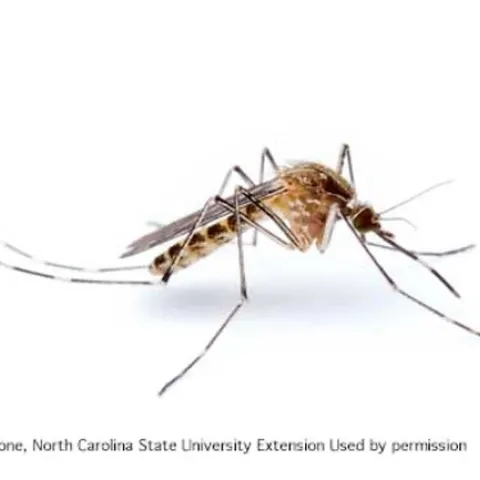
West Nile virus is mainly spread by Culex mosquitoes. Photo by Matthew Bertone, North Carolina State University Extension.
Pests in the Urban Landscape: Article

Invasive Pest Spotlight: West Nile Virus

March 26, 2024
By Mackenzie F Patton
The invasive pest spotlight focuses on emerging or potential invasive pests in California. In this issue we are covering West Nile virus. West Nile virus disease was first reported in California in 2003 and has become the most common and serious vector-borne disease in California.
View Article