A Natural Solution for California's Herds: African Catfish Peptides

California's cattle producers and agricultural communities are all too familiar with the rising challenge of antibiotic resistance, making common bacterial infections harder to treat in livestock. But imagine a future where we could tackle these infections with a natural, powerful alternative. Our research points to just that: antimicrobial peptides (AMPs) found in African catfish.

We're really excited about these peptides because African catfish thrive in pathogen-rich freshwater, naturally producing these robust immune compounds in their skin mucus as a defense. This natural origin makes them highly appealing alternatives to synthetic drugs.

Predicted Safety and Potent Action

One of the most compelling aspects of these AMPs is their predicted safety for mammals. Our initial computer analyses suggest that various catfish AMPs are generally recognized as safe (GRAS). We predict they'll be absorbed in the human intestine without causing liver, brain, or heart toxicity. Furthermore, lab tests on a promising peptide, NACAP-II, confirmed it was non-hemolytic, meaning it didn't damage rabbit red blood cells—a strong indicator of its potential safety for mammalian cells.

Beyond safety, these peptides demonstrate effectiveness against problematic bacteria. One study revealed NACAP-II's strong activity against Extended-Spectrum Beta-Lactamase (ESBL)-producing Escherichia coli—a critical concern for both animal and human health due to its resistance to many common antibiotics. Another peptide, ACAP-IV, also showed antibacterial activity against E. coli and Staphylococcus aureus. We believe these AMPs work by directly disrupting bacterial cell membranes, a mechanism that makes it harder for bacteria to develop resistance compared to how they resist traditional antibiotics.
Kern County: Article

Kern UCCE/DWR Weekly Crop Water Use Report 03-25-2024

March 25, 2024
Please see below link to access "How To Use Weekly Crop Water Use (ET) Reports to Assist Farm Water Management" How to Use Weekly Crop Water Use Report Please see below link to access "Weekly ET Report 03-25-2024" ET Report 03-25-2024 Please see disclaimer link below: University of California Divisi...
View Article
Primary Image
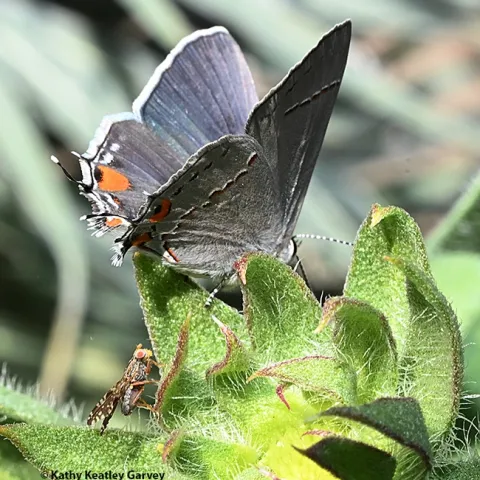
A fruit fly, Neotephritis finalis, peers up at a gray hairstreak butterfly, Strymon melinus, in a bed of Coreopsis. (Photo by Kathy Keatley Garvey)
Bug Squad: Article

Presenting: A Butterfly and a Fly

March 25, 2024
By Kathy Keatley Garvey
A gray butterfly and a fruit fly... Each has "fly" in its name but one is a member of the order Lepidoptera and the other, order Diptera. Etymology does not agree with entomology.
View Article
Primary Image
Photo Mar 17 2024, 9 12 27 AM
Ranching in the Sierra Foothills: Article

Spring 2024 Workshops!

March 25, 2024
By Daniel K Macon
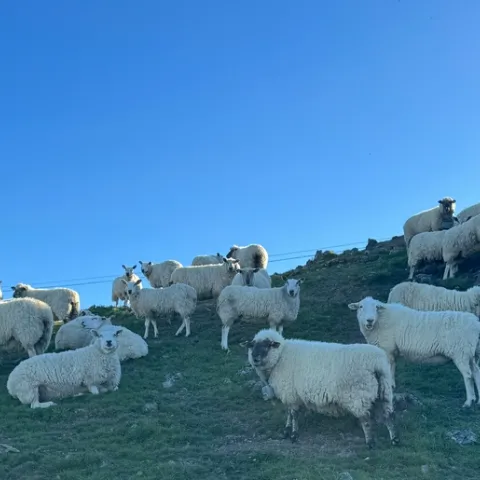
We have several outstanding workshops coming up in the next three weeks! Contact me at dmacon@ucanr.edu or (530) 889-7385 for more information! Livestock Health & Wildfire Webinar (Thursday, March 28 - 6:00pm-7:30pm) - Virtual: Join Extension Veterinarians Dr. Gaby Maier, Dr. Rosie Busch, and Dr.
View Article
Primary Image
IMG 0270
Santa Cruz Forests Update: Article

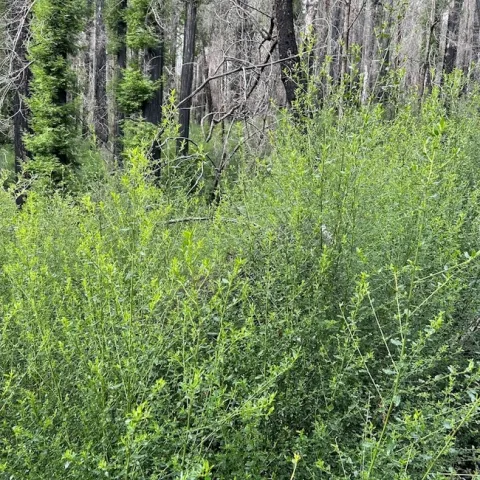
Ceanothus in the 2020 CZU Lightning Complex Burn Footprint

March 25, 2024
By Brian Woodward
Whether you've been hiking or driving through the CZU Fire burn footprint in the Santa Cruz Mountains, you might have noticed that the understory of the coast redwood (Sequoia sempervirens) forests look quite different from how they did before the fire.
View Article
Primary Image
Sierra Foothill Research and Extension Center
ANR Employee News: Article

Sierra Foothill REC seeks research proposals

March 25, 2024
By Pamela S Kan-Rice
The UC Sierra Foothill Research and Extension Center (SFREC) is soliciting proposals April 1 May 17, 2024, to support new and continuing research on rangeland and oak woodland ecology and management, beef cattle health, production and management, as well as related agricultural and natural resource...
View Article
UC Weed Science (weed control, management, ecology, and minutia): Article

Survey request re on-farm wildflower strips and conservation measures

March 25, 2024
By Brad Hanson
A colleague and a graduate student at Cornell University are conducting a survey to assess grower attitudes towards establishing wildflower strips as part of conservation programs and asked me to share the survey link to broaden the response to include California growers.
View Article
Primary Image
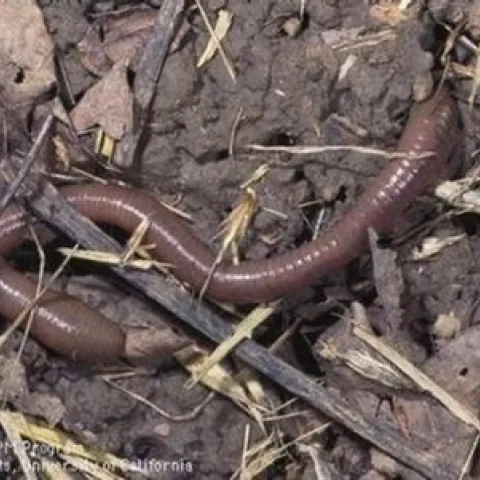
Photo of a garden earthworm
HOrT COCO-UC Master Gardener Program of Contra Costa: Article

How Many Earthworms are Enough?

March 25, 2024
By Help Desk Team
Perhaps you've seen them. You're digging into the soil to plant something and as you dig you run across a few earthworms. Most of us have heard from childhood that worms are good for the soil.
View Article