A Natural Solution for California's Herds: African Catfish Peptides

California's cattle producers and agricultural communities are all too familiar with the rising challenge of antibiotic resistance, making common bacterial infections harder to treat in livestock. But imagine a future where we could tackle these infections with a natural, powerful alternative. Our research points to just that: antimicrobial peptides (AMPs) found in African catfish.

We're really excited about these peptides because African catfish thrive in pathogen-rich freshwater, naturally producing these robust immune compounds in their skin mucus as a defense. This natural origin makes them highly appealing alternatives to synthetic drugs.

Predicted Safety and Potent Action

One of the most compelling aspects of these AMPs is their predicted safety for mammals. Our initial computer analyses suggest that various catfish AMPs are generally recognized as safe (GRAS). We predict they'll be absorbed in the human intestine without causing liver, brain, or heart toxicity. Furthermore, lab tests on a promising peptide, NACAP-II, confirmed it was non-hemolytic, meaning it didn't damage rabbit red blood cells—a strong indicator of its potential safety for mammalian cells.

Beyond safety, these peptides demonstrate effectiveness against problematic bacteria. One study revealed NACAP-II's strong activity against Extended-Spectrum Beta-Lactamase (ESBL)-producing Escherichia coli—a critical concern for both animal and human health due to its resistance to many common antibiotics. Another peptide, ACAP-IV, also showed antibacterial activity against E. coli and Staphylococcus aureus. We believe these AMPs work by directly disrupting bacterial cell membranes, a mechanism that makes it harder for bacteria to develop resistance compared to how they resist traditional antibiotics.
Colusa County: Article

February 2024

February 1, 2024
Ornamental Plant of the Month Peony Gardens I Have Visited Lassen National Park Edible Plant of the Month Celery Recipe of the Month Chicken Paprikash Garden Guide Safety Notes Farm Show February 6, 7, 8 - hope to see you there!...
View Article
UCCE Siskiyou: Article

February 2024

February 1, 2024
SO MUCH FUN STUFF!! Scholarship Deadlines - Contact the Office if you need an application Presentation Day Information and Links Archery Lvl 1 training information State Shooting Sports Match Beef and Dairy Deadline...
View Article
Primary Image
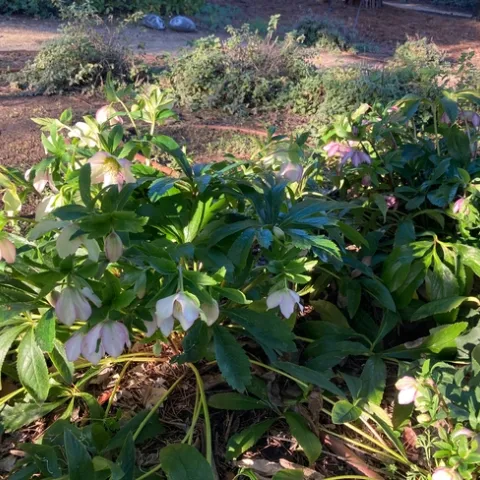
Plant perennial Lenten roses now in areas that get some some shade to enjoy blooms in late winter each year. (Photo: Jeannette Warnert)
Fresno Gardening Green: Article

This week in the garden: Feb. 2 - 8

February 1, 2024
Try grafting new fruit tree varieties onto your existing trees. Fruit of the same species are easily grafted together - peach onto peach, plum onto plum. Tasks Irrigate citrus and almonds at night if frost is expected.
View Article
Primary Image
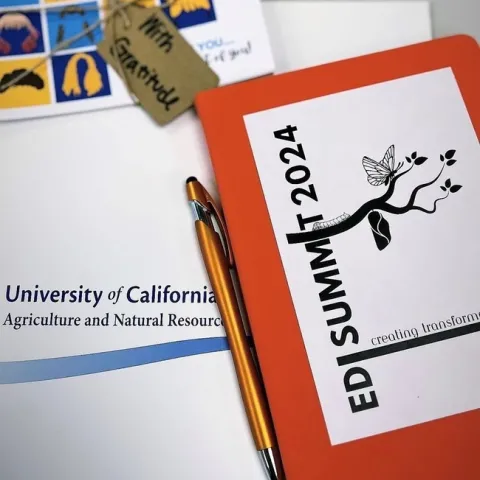
EDI.Saoi photo
Together@Work: Article

EDI Summit Buzzing

February 1, 2024
By Elizabeth A Moon
Photo by Saoimanu Sope, Staff Assembly Ambassador Our Inaugural EDI Summit has brought together over thirty ANR colleagues celebrating the work and wins, while also focusing on the challenges to continue creating transformation within our organization.
View Article
Primary Image
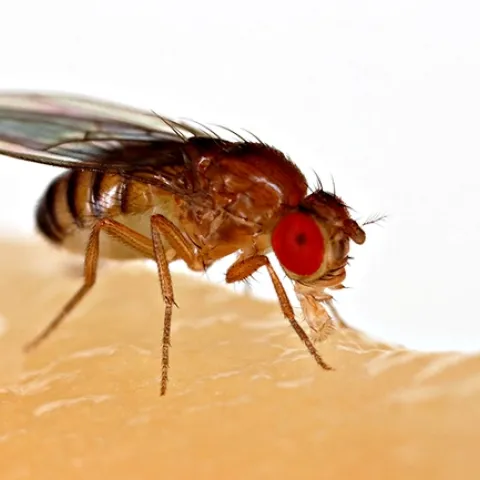
A fruit fly, Drosophila melanogaster, feeding on a banana. (Photo by Sanjay Acharya, Wikipedia)

Orie Shafer: Researching the Sleep of a Fruit Fly

January 31, 2024
By Kathy Keatley Garvey
Did you know that the fruit fly, Drosophila melanogaster, is a powerful model organism for the study of sleep regulation? It's long been a model organism for biological research in such fields as genetics, physiology, microbial pathogenesis and life history evolution.
View Article