A Natural Solution for California's Herds: African Catfish Peptides

California's cattle producers and agricultural communities are all too familiar with the rising challenge of antibiotic resistance, making common bacterial infections harder to treat in livestock. But imagine a future where we could tackle these infections with a natural, powerful alternative. Our research points to just that: antimicrobial peptides (AMPs) found in African catfish.

We're really excited about these peptides because African catfish thrive in pathogen-rich freshwater, naturally producing these robust immune compounds in their skin mucus as a defense. This natural origin makes them highly appealing alternatives to synthetic drugs.

Predicted Safety and Potent Action

One of the most compelling aspects of these AMPs is their predicted safety for mammals. Our initial computer analyses suggest that various catfish AMPs are generally recognized as safe (GRAS). We predict they'll be absorbed in the human intestine without causing liver, brain, or heart toxicity. Furthermore, lab tests on a promising peptide, NACAP-II, confirmed it was non-hemolytic, meaning it didn't damage rabbit red blood cells—a strong indicator of its potential safety for mammalian cells.

Beyond safety, these peptides demonstrate effectiveness against problematic bacteria. One study revealed NACAP-II's strong activity against Extended-Spectrum Beta-Lactamase (ESBL)-producing Escherichia coli—a critical concern for both animal and human health due to its resistance to many common antibiotics. Another peptide, ACAP-IV, also showed antibacterial activity against E. coli and Staphylococcus aureus. We believe these AMPs work by directly disrupting bacterial cell membranes, a mechanism that makes it harder for bacteria to develop resistance compared to how they resist traditional antibiotics.
Primary Image
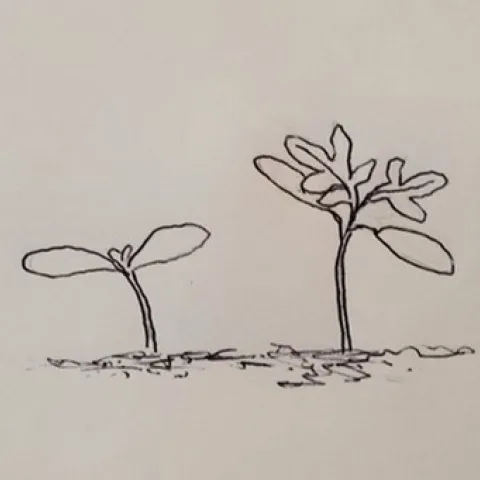
Drawing of a cotyledon

Indoor Seed Starting

January 30, 2024
By Help Desk Team
Many of us have seed catalogs arriving in the mail this month, so now is the time to start thinking about your summer garden. We are publishing this article again because starting plants from seed is a great way to lower costs and increase the variety in your vegetable garden.
View Article
Primary Image
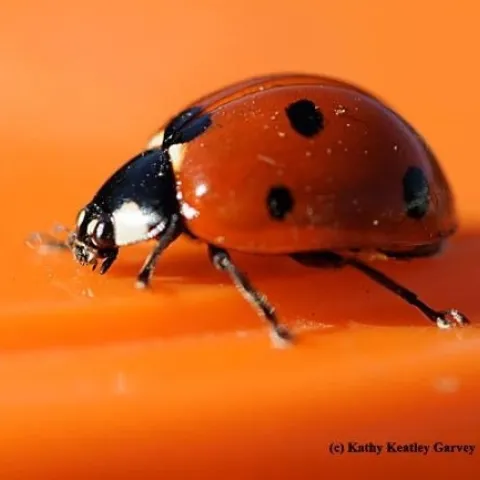
A portrait of a lady beetle, aka ladybug. (Photo by Kathy Keatley Garvey)

The Ladybug: Luck Be a Lady?

January 29, 2024
By Kathy Keatley Garvey
It's not often that entomology and football mesh. But that was the case when San Francisco 49'ers wide receiver Brandon Aiyuk credited his spectacular 51-yard catch in Sunday's NFC championship game with the Detroit Lions to a ladybug landing on his shoe before the game.
View Article
Primary Image
head shot
The Stanislaus Sprout: Article

When to Start Seeds Indoors

January 29, 2024
By Anne E Schellman
In order to determine when to start your spring/summer vegetables indoors, you need to know your estimated last frost date. The following link from UC Davis gives a chart showing estimated last and first frost dates for areas in California. California Gardening ~ https://cagardenweb.ucanr.
View Article
Primary Image
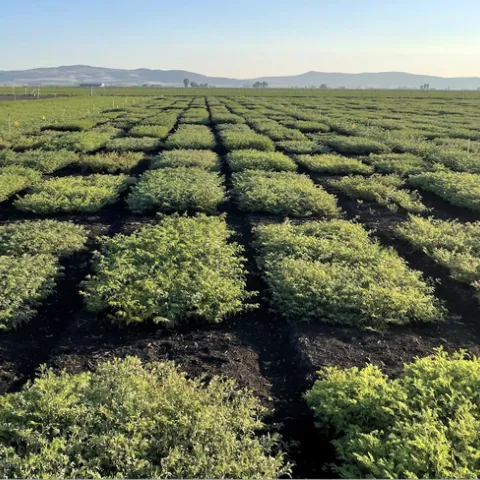
Green squares of garbanzo bean plants
ANR Employee News: Article

Intermountain REC calls for research proposals

January 29, 2024
By Pamela S Kan-Rice
The Intermountain Research and Extension Center is soliciting proposals for new and continuing research projects in 2024-25. IREC is a 140-acre research facility located at 4,000 feet elevation near the Oregon border.
View Article
Nutrition Policy Institute News: Article

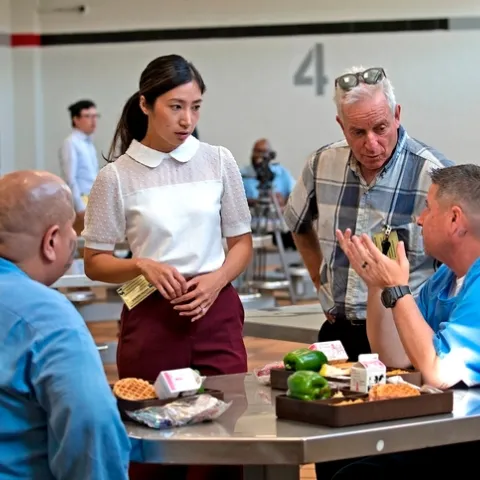
Study examines differences in California parent’s perceptions of school meals during COVID by race and ethnicity

January 29, 2024
By Brianna Aguayo Villalon, Wendi Gosliner, Monica D Zuercher
In May 2020, running until the end of the 2021-2022 school year, the US Congress authorized the US Department of Agriculture to issue nationwide waivers that allowed all schools to provide universal free school meals to mitigate the impacts of school closures as well as the broader economic challeng...
View Article
Livestock, Range and Natural Resources: Article

Winter 2024 Supplement

January 29, 2024
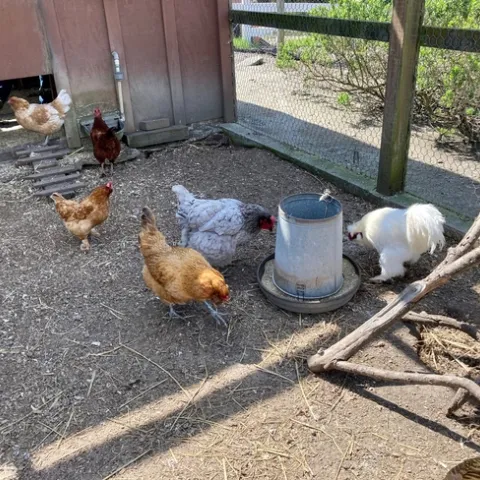
In this Supplement: Free Webinar on February 29: learn about the California Rancher Sustainability Assessment Beef Cattle Health Webinar Series, Tuesdays in February New UC Poultry Health App needs early users USDA NAHMS Sheep Study 2024...
View Article