A Natural Solution for California's Herds: African Catfish Peptides

California's cattle producers and agricultural communities are all too familiar with the rising challenge of antibiotic resistance, making common bacterial infections harder to treat in livestock. But imagine a future where we could tackle these infections with a natural, powerful alternative. Our research points to just that: antimicrobial peptides (AMPs) found in African catfish.

We're really excited about these peptides because African catfish thrive in pathogen-rich freshwater, naturally producing these robust immune compounds in their skin mucus as a defense. This natural origin makes them highly appealing alternatives to synthetic drugs.

Predicted Safety and Potent Action

One of the most compelling aspects of these AMPs is their predicted safety for mammals. Our initial computer analyses suggest that various catfish AMPs are generally recognized as safe (GRAS). We predict they'll be absorbed in the human intestine without causing liver, brain, or heart toxicity. Furthermore, lab tests on a promising peptide, NACAP-II, confirmed it was non-hemolytic, meaning it didn't damage rabbit red blood cells—a strong indicator of its potential safety for mammalian cells.

Beyond safety, these peptides demonstrate effectiveness against problematic bacteria. One study revealed NACAP-II's strong activity against Extended-Spectrum Beta-Lactamase (ESBL)-producing Escherichia coli—a critical concern for both animal and human health due to its resistance to many common antibiotics. Another peptide, ACAP-IV, also showed antibacterial activity against E. coli and Staphylococcus aureus. We believe these AMPs work by directly disrupting bacterial cell membranes, a mechanism that makes it harder for bacteria to develop resistance compared to how they resist traditional antibiotics.
Primary Image
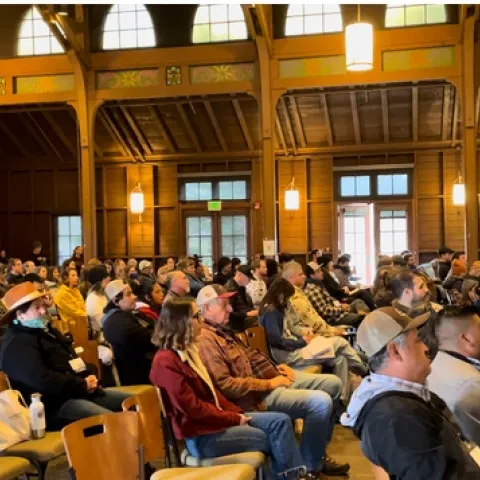
Los asistentes a EcoFarm participaron activamente en talleres y conferencias que se ofrecieron durante los tres días del evento.
Nuestra Comunidad: Article

EcoFarm 2024: una plataforma a la diversidad

January 29, 2024
By Diana Cervantes
Emilia Santos se levanta todos los das a las 4:30 de la maana, ella cultiva vegetales en el 1.6 acre de terreno en donde tiene su propia granja Alpha & Omega Organic Farm en Salinas, California.
View Article
Primary Image
OFF 1
Topics in Subtropics: Article

Fruit Flies

January 29, 2024
By Ben A Faber
Invasive Fruit Fly Quarantine What to know as a SJV citrus grower? Sandipa Gautam Area Citrus IPM Advisor UC Statewide IPM Program Operations Several species of invasive fruit flies that belong to the family Tephritidae are considered serious pests of hundreds of agricultural crops including citrus.
View Article
ANR Employee News: Article

Thwart theft from vehicles

January 28, 2024
By Pamela S Kan-Rice
Due to a recent increase in vehicle break-ins and theft-related losses statewide, Risk Management would like to remind you of some important safety tips to help prevent you from falling victim to these types of incidents.
View Article
Primary Image
yeararoundgardening
UC Marin Master Gardeners: Article

February 2024: Rotating Crops

January 27, 2024
While the rains limited some of the garden work during January, it was the perfect time to assess the condition of the garden beds and plan for the spring and summer crops.
View Article
Primary Image
2024 California 4-H Camp Conference at Redwood Glen, Loma Mar, CA
Mission Possible-Join us Mar. 8 thru Mar. 10
California 4-H Grown: Article

Mission Possible: 2024 Camping Conference

January 26, 2024
By Suzanne Morikawa
Your mission, if you so choose to accept it, is Anything is Possible! Do you want to take your camp experience to the next level? Are you a camp staff, leader, or director looking to refresh your camp program?
View Article
Primary Image
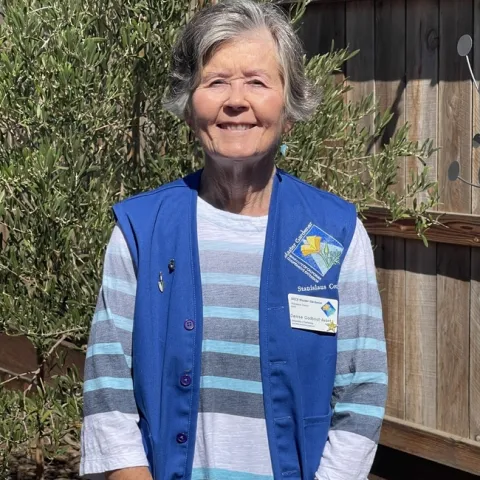
Denise short hair
The Stanislaus Sprout: Article

Ladybugs Overwintering in a Master Gardener’s Truck!

January 26, 2024
By Anne E Schellman
Lady beetles, commonly called ladybugs, usually aggregate in groups over the winter. Normally they congregate in leaf litter, tree cavities, house vents, attics, garages, sheds, and firewood piles.
View Article
Primary Image
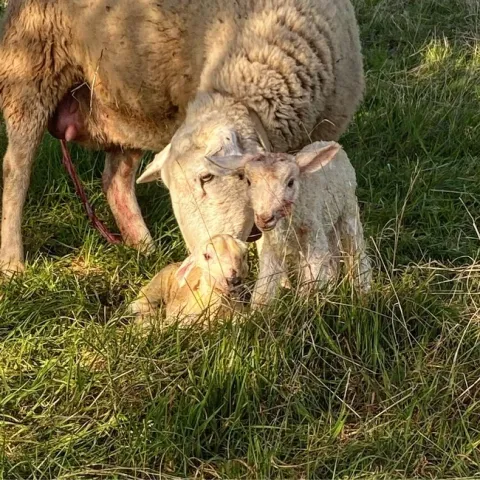
2022 lambing

2024 NAHMS Sheep Study

January 26, 2024
By Daniel K Macon
Later this month, the USDA's National Animal Health Monitoring System (NAHMS) will kick off its fourth national study of the U.S. sheep industry.
View Article
Primary Image
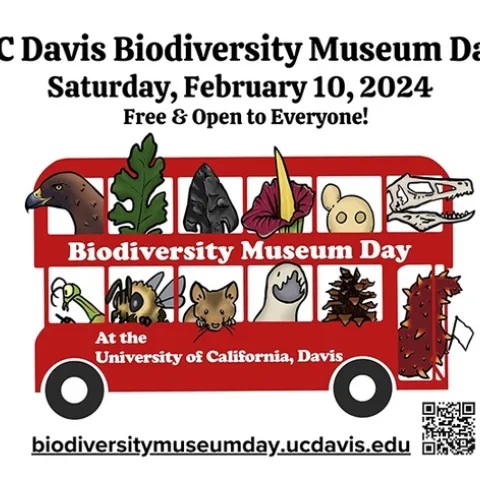
Passengers on a double-decker bus represent the museums and collections on a double-decker bus. The original art is by Ivana Li, with UC Davis student Caitlen Comendant colorizing it and updating it.

All Aboard for the UC Davis Biodiversity Museum Day on Feb. 10

January 26, 2024
By Kathy Keatley Garvey
All aboard for the 13th annual UC Davis Biodiversity Museum Day! You can visit UC Davis museums or collections, talk to the scientists, and learn more about what makes UC Davis an internationally known science-based university. The free-and-family-friendly event, set Saturday, Feb.
View Article