A Natural Solution for California's Herds: African Catfish Peptides

California's cattle producers and agricultural communities are all too familiar with the rising challenge of antibiotic resistance, making common bacterial infections harder to treat in livestock. But imagine a future where we could tackle these infections with a natural, powerful alternative. Our research points to just that: antimicrobial peptides (AMPs) found in African catfish.

We're really excited about these peptides because African catfish thrive in pathogen-rich freshwater, naturally producing these robust immune compounds in their skin mucus as a defense. This natural origin makes them highly appealing alternatives to synthetic drugs.

Predicted Safety and Potent Action

One of the most compelling aspects of these AMPs is their predicted safety for mammals. Our initial computer analyses suggest that various catfish AMPs are generally recognized as safe (GRAS). We predict they'll be absorbed in the human intestine without causing liver, brain, or heart toxicity. Furthermore, lab tests on a promising peptide, NACAP-II, confirmed it was non-hemolytic, meaning it didn't damage rabbit red blood cells—a strong indicator of its potential safety for mammalian cells.

Beyond safety, these peptides demonstrate effectiveness against problematic bacteria. One study revealed NACAP-II's strong activity against Extended-Spectrum Beta-Lactamase (ESBL)-producing Escherichia coli—a critical concern for both animal and human health due to its resistance to many common antibiotics. Another peptide, ACAP-IV, also showed antibacterial activity against E. coli and Staphylococcus aureus. We believe these AMPs work by directly disrupting bacterial cell membranes, a mechanism that makes it harder for bacteria to develop resistance compared to how they resist traditional antibiotics.


Primary Image
tom-hermans books image
UC ANR Climate Corner: Article

Six Books on Climate Change to Inspire Action

January 9, 2024
By Jill Santos
The old saying, knowledge is power, rings true for increasing personal resilience in the face of changing climate conditions. These books written by UC Davis authors inspire action to some of the most pressing environmental issues.
View Article
Primary Image
nathan-lemon-wrapping paper
UC ANR Climate Corner: Article

Celebrating More Sustainably

January 9, 2024
By Jill Santos
During the holiday season, it is a tradition to give and receive gifts, share homemade treats, and decorate our homes to celebrate this special time of year. According to the EPA, waste disposal typically increases by 25% around the holidays.
View Article
Primary Image
vivint-solar panels
UC ANR Climate Corner: Article

Three Things You can Do about Climate Change Right Now

January 9, 2024
By Jill Santos
Climate change can feel a bit overwhelming, making it hard to know what one person can do. You do not need to be a scientist or an activist to make a difference. The truth is that every little positive action taken can have big impacts.
View Article
Primary Image
Oak Canopy
UC ANR Climate Corner: Article

Tree Canopy Lowers Heat Island Effects

January 9, 2024
By Jill Santos
As the impacts of climate change increasingly affect our way of life, numerous cities are addressing a key issue with a simple yet effective solution: the expansion of urban tree coverage.
View Article
UCCE in Santa Barbara County: Article

Free Garden Talk with UC Master Gardeners

January 9, 2024
UC Master Gardeners of Santa Barbara County Invite you to join us for a free, online Garden Talk on: Straw Bale Gardening Monday, February 5, 2024, at 7 PM. Attendees will learn all one needs to know about straw bale gardening. This will include selecting, preparing, and conditioning straw bales.
View Article
Primary Image
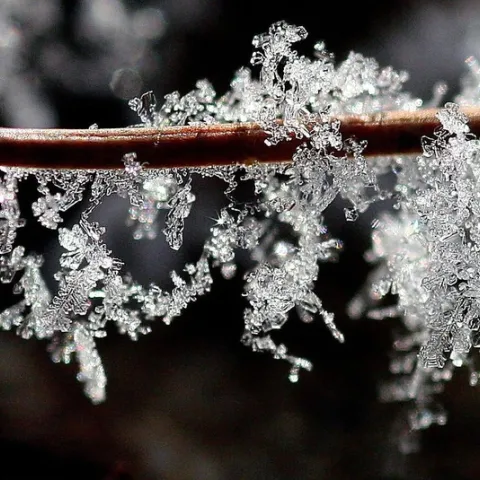
Frost on a pine needle by Lida Rose is licensed under CC BY-ND 2.0.
Under the Solano Sun: Article

Preparing for Jack Frost

January 9, 2024
Your yard and garden represent an investment of your resources and time. And since none of us has money to burn or time to waste, now is the best time to prepare to protect that investment before a hard freeze.
View Article