A Natural Solution for California's Herds: African Catfish Peptides

California's cattle producers and agricultural communities are all too familiar with the rising challenge of antibiotic resistance, making common bacterial infections harder to treat in livestock. But imagine a future where we could tackle these infections with a natural, powerful alternative. Our research points to just that: antimicrobial peptides (AMPs) found in African catfish.

We're really excited about these peptides because African catfish thrive in pathogen-rich freshwater, naturally producing these robust immune compounds in their skin mucus as a defense. This natural origin makes them highly appealing alternatives to synthetic drugs.

Predicted Safety and Potent Action

One of the most compelling aspects of these AMPs is their predicted safety for mammals. Our initial computer analyses suggest that various catfish AMPs are generally recognized as safe (GRAS). We predict they'll be absorbed in the human intestine without causing liver, brain, or heart toxicity. Furthermore, lab tests on a promising peptide, NACAP-II, confirmed it was non-hemolytic, meaning it didn't damage rabbit red blood cells—a strong indicator of its potential safety for mammalian cells.

Beyond safety, these peptides demonstrate effectiveness against problematic bacteria. One study revealed NACAP-II's strong activity against Extended-Spectrum Beta-Lactamase (ESBL)-producing Escherichia coli—a critical concern for both animal and human health due to its resistance to many common antibiotics. Another peptide, ACAP-IV, also showed antibacterial activity against E. coli and Staphylococcus aureus. We believe these AMPs work by directly disrupting bacterial cell membranes, a mechanism that makes it harder for bacteria to develop resistance compared to how they resist traditional antibiotics.
Primary Image
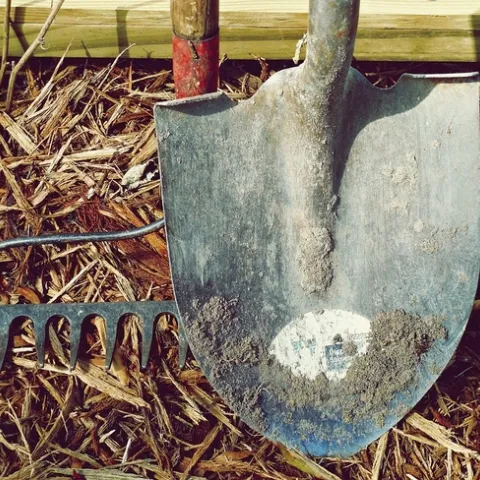
Shovel and rake.
The Stanislaus Sprout: Article

Garden Tool Maintenance Class - Correction

January 8, 2024
By Anne E Schellman
The survey form for our class next week mentioned a free compost bin. We apologize for any confusion. The Garden Tool Maintenance class does not include a compost bin. The $10 charge covers the cost the tool workshop materials and helps support our program.
View Article
Primary Image
Photo by Jaqueline Shubitowski
UC Master Gardeners- Diggin' it in SLO: Article

Winter Fruit Tree Care

January 8, 2024
Winter Fruit Tree Care By Polly Nelson UCCE Master Gardener How confident are you when it comes to planting and pruning fruit trees? Whether you need a refresher or if you're new to this topic, we have a workshop for you.
View Article
Primary Image
Pestcide safety

New Neonic Rules

January 8, 2024
By Ben A Faber
How the new neonic regulations impact your operations There are new neonicotinoid regulations effective starting Jan 1, 2024 to protect pollinators.
View Article
Kern County: Article

Green Scene January 2024

January 8, 2024
Annual Winter Pruning Demonstrations January 18th and 19th Master Gardener Program Next Horticultural Tour Annual Landscape Management Seminar update Those Fallen Leaves Rule of the Superbowl...
View Article
Primary Image
photos by Mike Gunther
Under the Solano Sun: Article

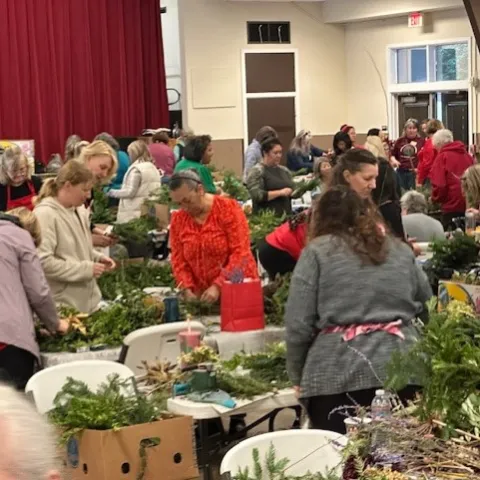
Wreath Workshop Miku

January 8, 2024
Wreath workshop took place Great participation, food and marketplace Successful, happy and fun...
View Article
Primary Image
Dry Creek near Beale Falls, California
The Confluence: Article

Fifty Years of Water Research Projects in California

January 7, 2024
By Erik C Porse
For decades, California has supported research to improve water resources management. Within our archives at the California Institute for Water Resources (CIWR), we have records of nearly 250 funded research projects going back fifty years.
View Article
Primary Image
Photo by Bill Doucet 1.6.23
Napa Master Gardener Column: Article

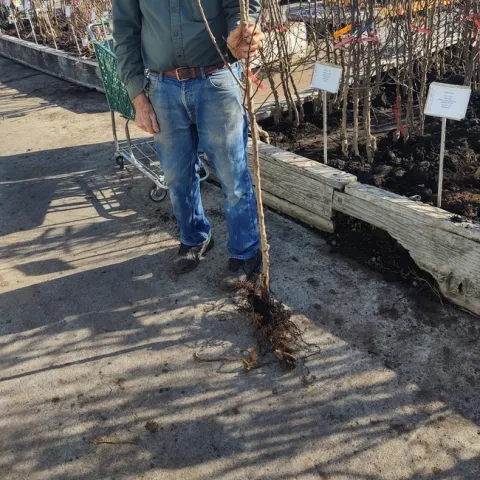
Winter is not the off season: Time for Bare-root trees

January 6, 2024
If you're a gardener in Napa Valley, you know that winter is not the off season it is elsewhere. In our climate, we can always plant something. When I walk into a nursery at this time of year, I feel like the proverbial kid in the candy store.
View Article