A Natural Solution for California's Herds: African Catfish Peptides

California's cattle producers and agricultural communities are all too familiar with the rising challenge of antibiotic resistance, making common bacterial infections harder to treat in livestock. But imagine a future where we could tackle these infections with a natural, powerful alternative. Our research points to just that: antimicrobial peptides (AMPs) found in African catfish.

We're really excited about these peptides because African catfish thrive in pathogen-rich freshwater, naturally producing these robust immune compounds in their skin mucus as a defense. This natural origin makes them highly appealing alternatives to synthetic drugs.

Predicted Safety and Potent Action

One of the most compelling aspects of these AMPs is their predicted safety for mammals. Our initial computer analyses suggest that various catfish AMPs are generally recognized as safe (GRAS). We predict they'll be absorbed in the human intestine without causing liver, brain, or heart toxicity. Furthermore, lab tests on a promising peptide, NACAP-II, confirmed it was non-hemolytic, meaning it didn't damage rabbit red blood cells—a strong indicator of its potential safety for mammalian cells.

Beyond safety, these peptides demonstrate effectiveness against problematic bacteria. One study revealed NACAP-II's strong activity against Extended-Spectrum Beta-Lactamase (ESBL)-producing Escherichia coli—a critical concern for both animal and human health due to its resistance to many common antibiotics. Another peptide, ACAP-IV, also showed antibacterial activity against E. coli and Staphylococcus aureus. We believe these AMPs work by directly disrupting bacterial cell membranes, a mechanism that makes it harder for bacteria to develop resistance compared to how they resist traditional antibiotics.

Primary Image
eva scott 2
Thriving Forward: Article

Meet 4-H Club President Eva

November 6, 2023
By Matthew R Rodriguez
Recently I [Matt] had a chance to interview 4-H youth member Eva who is also this year's 4-H club president for Franklin in Sutter County. The following are Eva's responses to my questions.
View Article
Primary Image
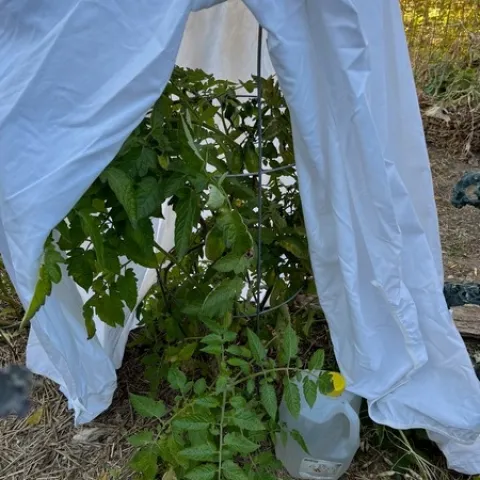
Photo of covered tomato plant
HOrT COCO-UC Master Gardener Program of Contra Costa: Article

Bundle Up! Winter's Coming! - Preparing for Frosty Temperatures

November 6, 2023
By Help Desk Team
Note: We are running this previously published article because it's important to be ready to protect sensitive plants. Don't get taken by surprise! It's time to get ready for cold winter temperatures and to start preparing protection for citrus trees and other frost-sensitive plants.
View Article
Primary Image
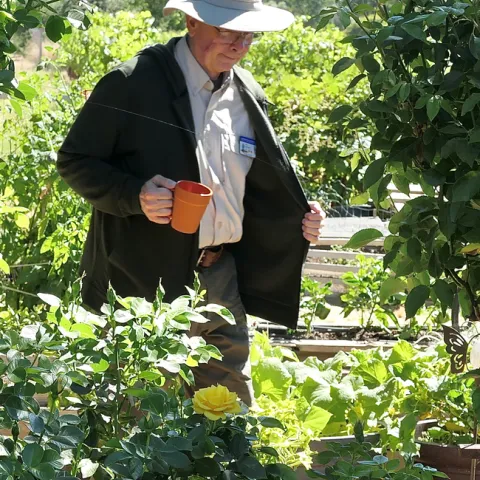
Warming up by moving around...
Spill the Beans: Article

Warmup for Fall Gardening Tasks

November 6, 2023
Fall is upon us, but the work continues in the garden. In the spring and summer months, warming up is almost as easy as walking out the door and letting the sun shine on you. Warmup is as simple as walking through the garden and looking at what needs to be done.
View Article
Nutrition Policy Institute News: Article

NPI researchers present at American Public Health Association 2023 annual meeting

November 5, 2023
By Danielle Lee, Brianna Aguayo Villalon
Nutrition Policy Institute researchers will present at the American Public Health Association 2023 Annual Meeting & Expo . The conference brings in over 1,000 sessions, centered on creating a healthier nation by working together to overcome social and ethical challenges.
View Article
Primary Image
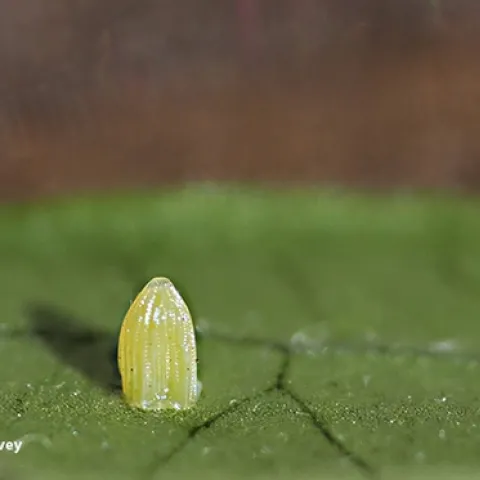
A tiny monarch egg, about the size of a pin head. (Photo by Kathy Keatley Garvey)
Bug Squad: Article

Food for Thought and Food for the Monarchs

November 3, 2023
By Kathy Keatley Garvey
Is tropical milkweed, Asclepias curassavica, a "bad" plant? Should Californians pull it from their gardens? No, say many scientists, including Hugh Dingle, professor emeritus of entomology, behavior and evolution at UC Davis. Professor Dingle is an internationally known expert on animal migration.
View Article