A Natural Solution for California's Herds: African Catfish Peptides

California's cattle producers and agricultural communities are all too familiar with the rising challenge of antibiotic resistance, making common bacterial infections harder to treat in livestock. But imagine a future where we could tackle these infections with a natural, powerful alternative. Our research points to just that: antimicrobial peptides (AMPs) found in African catfish.

We're really excited about these peptides because African catfish thrive in pathogen-rich freshwater, naturally producing these robust immune compounds in their skin mucus as a defense. This natural origin makes them highly appealing alternatives to synthetic drugs.

Predicted Safety and Potent Action

One of the most compelling aspects of these AMPs is their predicted safety for mammals. Our initial computer analyses suggest that various catfish AMPs are generally recognized as safe (GRAS). We predict they'll be absorbed in the human intestine without causing liver, brain, or heart toxicity. Furthermore, lab tests on a promising peptide, NACAP-II, confirmed it was non-hemolytic, meaning it didn't damage rabbit red blood cells—a strong indicator of its potential safety for mammalian cells.

Beyond safety, these peptides demonstrate effectiveness against problematic bacteria. One study revealed NACAP-II's strong activity against Extended-Spectrum Beta-Lactamase (ESBL)-producing Escherichia coli—a critical concern for both animal and human health due to its resistance to many common antibiotics. Another peptide, ACAP-IV, also showed antibacterial activity against E. coli and Staphylococcus aureus. We believe these AMPs work by directly disrupting bacterial cell membranes, a mechanism that makes it harder for bacteria to develop resistance compared to how they resist traditional antibiotics.
Central Sierra Livestock & Natural Resources: Article

November 2023 Newsletter

November 2, 2023
In this issue: A Quick Note Using Fire to Fight Rangeland Weeds Sierra Foothill Rancher's Fire Academy Placer Prescribed Burn Association Community Resources Survey Follow me on Social Media...
View Article
Contra Costa County Cooperative Extension: Article

Upcoming Events November 2023

November 2, 2023
In this issue: 1. New Private Applicator Certificate requirements, County Exam Preparation & Testing Events 2. Winegrape growers: UC Davis Viticulture & Enology On the Road 3.
View Article
Primary Image
photos by Erin Mahaney
Under the Solano Sun: Article

A Flag Vine by Many Names

November 2, 2023
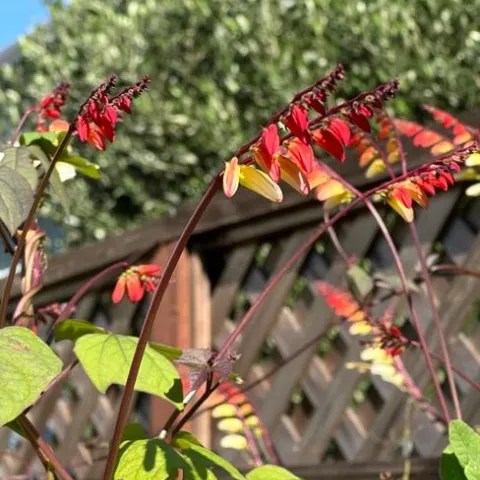
As the year deepens into fall and my cut flowers and vegetables die back, I appreciate the colorful red, white, and yellow flags of the Ipomoea lobota (formerly Mina lobota), the exotic love vine. Wait . . .
View Article
Primary Image
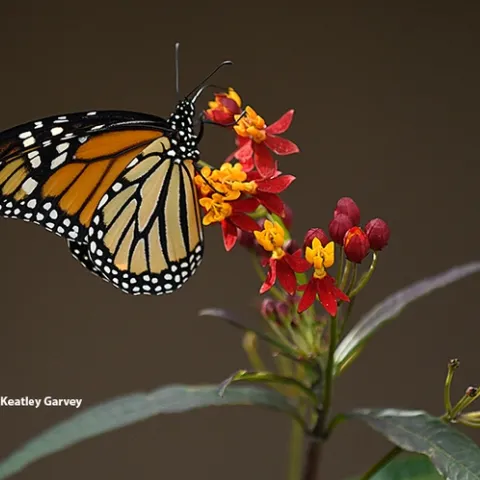
A female monarch butterfly sipping nectar from a tropical milkweed on Wednesday, Nov. 1 in a Vacaville garden. (Photo by Kathy Keatley Garvey)
Bug Squad: Article

Monarchs on the Move: A Migration and a Bohart Museum Open House

November 1, 2023
By Kathy Keatley Garvey
It's Wednesday afternoon, Nov. 1 and a female monarch butterfly flutters into our Vacaville pollinator garden. Me: "Welcome Ms. Monarch! Aren't you a little late for the migration?" Ms. Monarch: "No, I'm just a late bloomer,. so to speak.
View Article
Primary Image
hlb infection
Topics in Subtropics: Article

The Next Step with HLB?

November 1, 2023
By Ben A Faber
Transgenic Citrus Studies Progressing Spray pesticides? Inject antibiotics? CUPS? Or? The search for solutions to HLB has gone on for nearly two decades.
View Article
Primary Image
photo by Mike Gunther
Under the Solano Sun: Article

Tree Miku

November 1, 2023
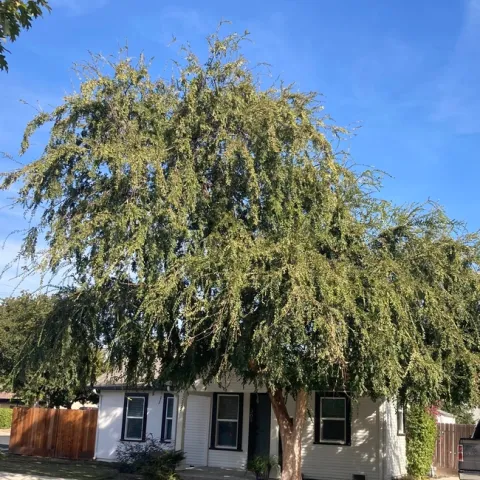
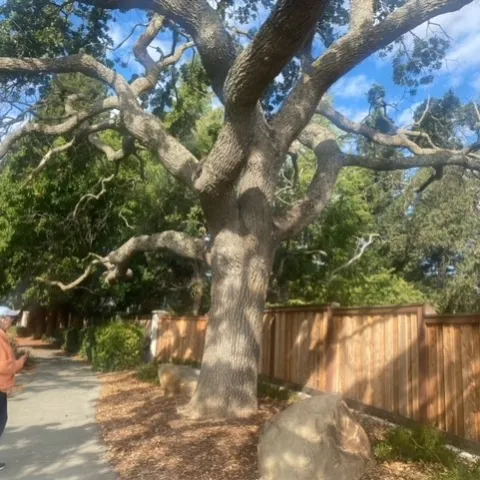
Thankful for our trees Trees leaf, flower, fruit and breathe Need only sun, water and soil...
View Article