A Natural Solution for California's Herds: African Catfish Peptides

California's cattle producers and agricultural communities are all too familiar with the rising challenge of antibiotic resistance, making common bacterial infections harder to treat in livestock. But imagine a future where we could tackle these infections with a natural, powerful alternative. Our research points to just that: antimicrobial peptides (AMPs) found in African catfish.

We're really excited about these peptides because African catfish thrive in pathogen-rich freshwater, naturally producing these robust immune compounds in their skin mucus as a defense. This natural origin makes them highly appealing alternatives to synthetic drugs.

Predicted Safety and Potent Action

One of the most compelling aspects of these AMPs is their predicted safety for mammals. Our initial computer analyses suggest that various catfish AMPs are generally recognized as safe (GRAS). We predict they'll be absorbed in the human intestine without causing liver, brain, or heart toxicity. Furthermore, lab tests on a promising peptide, NACAP-II, confirmed it was non-hemolytic, meaning it didn't damage rabbit red blood cells—a strong indicator of its potential safety for mammalian cells.

Beyond safety, these peptides demonstrate effectiveness against problematic bacteria. One study revealed NACAP-II's strong activity against Extended-Spectrum Beta-Lactamase (ESBL)-producing Escherichia coli—a critical concern for both animal and human health due to its resistance to many common antibiotics. Another peptide, ACAP-IV, also showed antibacterial activity against E. coli and Staphylococcus aureus. We believe these AMPs work by directly disrupting bacterial cell membranes, a mechanism that makes it harder for bacteria to develop resistance compared to how they resist traditional antibiotics.
Primary Image
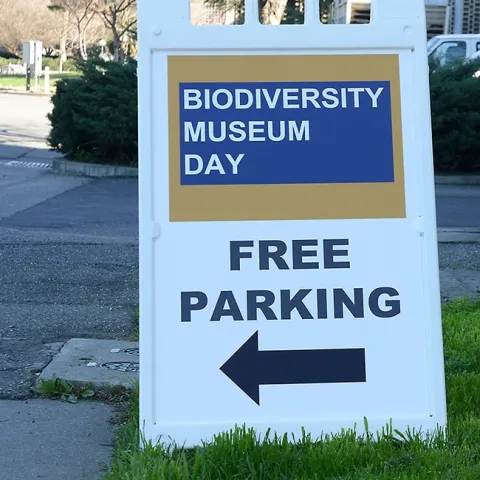
UC Davis Biodiversity Museum Day sign

UC Davis Biodiversity Museum Day Set for Feb. 10, 2024

November 2, 2023
By Kathy Keatley Garvey
The 13th annual UC Davis Biodiversity Museum Day, a free public event to observe science in action and learn about the UC Davis museums and collections, is set for Saturday, Feb. 10, 2024. The committee recently settled on the date. The inaugural event took place during the Presidents' Day weekend.
View Article
Primary Image
Jason Hong, USDA research molecular biologist

USDA-ARS Scientist to Discuss Soilborne Pathogens and Pests

November 2, 2023
By Kathy Keatley Garvey
Research molecular biologist Jason Hong of the USDA-ARS Horticultural Lab, Fort Pierce, FL., will present the next UC Davis Department of Entomology and Nematology seminar on "Managing Soilborne Pathogens and Pests with Anaerobic Soil Disinfestation (ASD)." His seminar begins at 4:10 p.m.
View Article
UC Master Gardener Coordinators: Article

Coordinators Quarterly Newsletter - Fall 2023

November 2, 2023
By Barbra Braaten
This quarter's coordinator newsletter covers integral program evaluation, the 2023 Annual Meeting recap, UC ANR credit card devices, and UC Master Gardener eLearning courses. It also includes Giving Tuesday on Nov. 28, UC IPM updates, a statewide office reorganization update, and a welcome to new…
View Article
Primary Image
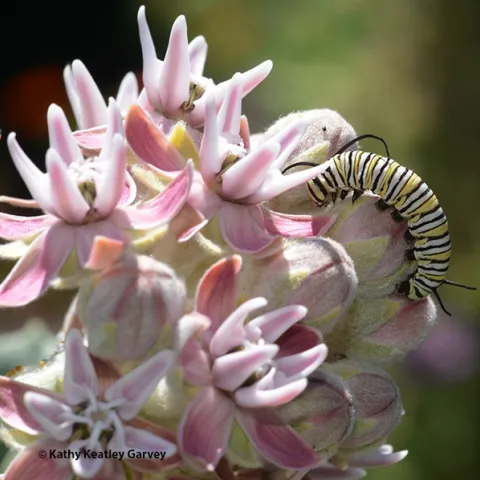
A monarch caterpillar chomping on showy milkweed, Asclepias speciosa, in a Vacavile garden. (Photo by Kathy Keatley Garvey)

Gotta Love Those Monarch 'Cats

November 2, 2023
By Kathy Keatley Garvey
Did you celebrate National Cat Day on Oct. 29? We haven't had a cat since our 16-year-old tuxedo, Xena the Warrior Princess crossed the Rainbow Bridge in March of 2016. She sported a butterflylike marking on her left leg. Monarch butterflies fascinated her.
View Article
Primary Image
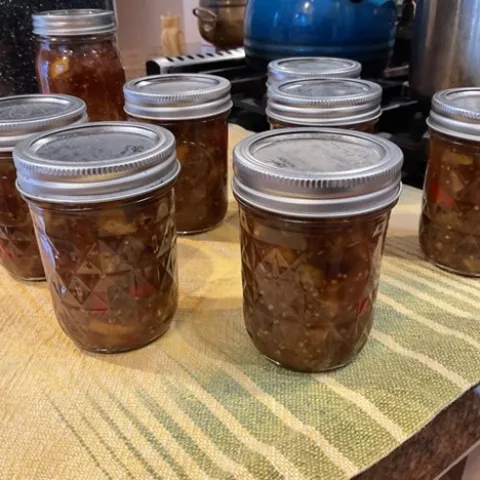
Processed jars resting on towel on counter
Master Food Preserver SLO/SB Counties: Article

Curious about Chutney

November 2, 2023
Fall is here and so are the many delicious varieties of apples on the Central Coast! Apples are versatile and can be used in a variety of ways, like chutney.
View Article