A Natural Solution for California's Herds: African Catfish Peptides

California's cattle producers and agricultural communities are all too familiar with the rising challenge of antibiotic resistance, making common bacterial infections harder to treat in livestock. But imagine a future where we could tackle these infections with a natural, powerful alternative. Our research points to just that: antimicrobial peptides (AMPs) found in African catfish.

We're really excited about these peptides because African catfish thrive in pathogen-rich freshwater, naturally producing these robust immune compounds in their skin mucus as a defense. This natural origin makes them highly appealing alternatives to synthetic drugs.

Predicted Safety and Potent Action

One of the most compelling aspects of these AMPs is their predicted safety for mammals. Our initial computer analyses suggest that various catfish AMPs are generally recognized as safe (GRAS). We predict they'll be absorbed in the human intestine without causing liver, brain, or heart toxicity. Furthermore, lab tests on a promising peptide, NACAP-II, confirmed it was non-hemolytic, meaning it didn't damage rabbit red blood cells—a strong indicator of its potential safety for mammalian cells.

Beyond safety, these peptides demonstrate effectiveness against problematic bacteria. One study revealed NACAP-II's strong activity against Extended-Spectrum Beta-Lactamase (ESBL)-producing Escherichia coli—a critical concern for both animal and human health due to its resistance to many common antibiotics. Another peptide, ACAP-IV, also showed antibacterial activity against E. coli and Staphylococcus aureus. We believe these AMPs work by directly disrupting bacterial cell membranes, a mechanism that makes it harder for bacteria to develop resistance compared to how they resist traditional antibiotics.
Primary Image
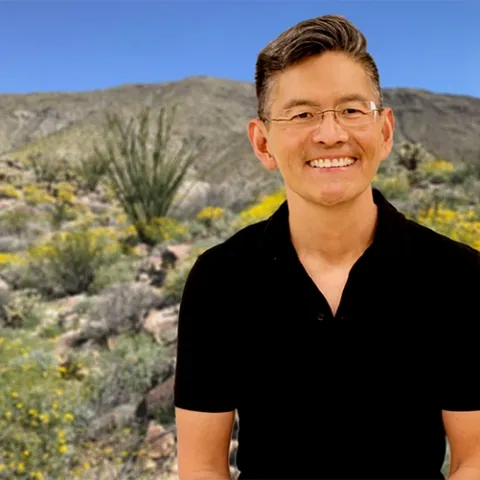
Justin Valliere is the Department of Plant Sciences' new assistant professor of UC Cooperative Extension, with expertise in restoring California's natural landscapes. (Trina Kleist/UC Davis)

Valliere brings expertise in restoration ecology

August 27, 2023
By Gale Perez
Justin Valliere has been hired to expand the Department of Plant Sciences' reach in the fields of invasion and restoration ecology. Valliere started as an assistant professor of UC Cooperative Extension in July.
View Article
Primary Image
Baby Blue Eyes
Spill the Beans: Article

Plant Pollination: Plants for Pollinators

August 26, 2023
A garden with a variety of plants with colorful blooms that produce pollen and nectar attracts and helps to support a variety of birds, butterflies, moths, and beneficial insects year-round. These visitors play a critical role in sustaining our ecosystem by helping our plants reproduce.
View Article
Primary Image
A Stagmomantis limbata, perched on a zinnia, is waiting for passing prey. (Photo by Kathy Keatley Garvey)

BYOM: Bring Your Own Mantis to Bohart Museum Open House

August 26, 2023
By Kathy Keatley Garvey
It's BYOM at the Bohart Museum of Entomology today (Sunday, Aug. 27). That's Bring Your Own Mantis. The open house, themed "Praying Mantises," is set from 1 to 4 p.m., in Room 1124 of the Academic Surge Building, 455 Crocker Lane. It is free and family friendly.
View Article
Primary Image
Close up of two psocids, note long sweeping antenna and distinctly marked wings. Photo Mark Bolda
Strawberries and Caneberries: Article

Psocids in Strawberry

August 26, 2023
By Mark P Bolda
We are now finding yet another interesting insect in the strawberries; these have been around before but this year their numbers are remarkably high in some areas and as such worth some of our time to examine more fully.
View Article
Primary Image
A Painted Lady, Vanessa cardui, with chunked-out wings, nectars on a Mexican sunflower, Tithonia rotundifola. (Photo by Kathy Keatley Garvey)

Luck Be a Lady

August 25, 2023
By Kathy Keatley Garvey
When Frank Loesser (1910-1969) wrote and composed "Luck Be a Lady" in 1950, he wasn't thinking of a butterfly. But when we spotted this Painted Lady (Vanessa cardui) in our garden this week, we knew she was lucky.
View Article
UC Marin Master Gardeners: Article

March 2023: Straw Bale Gardening

August 25, 2023
Setting up straw bales for growing spring and summer veggies has become an annual event in the Edible Demonstration Garden. Over the years, a number of different edibles have been tried in the straw bales but the most successful have been....
View Article
Primary Image
Tender plants are covered in tulle to protect against bird damage
UC Marin Master Gardeners: Article

April 2023: A Year in the Garden

August 25, 2023
Located in a corner of the Indian Valley College Organic Farm and Garden, the MMG Edible Demonstration Garden was created in 2016 by Marin Master Gardeners in collaboration with IVC to build knowledge and provide hands on experience in organically growing a variety of edible plants.
View Article
Primary Image
Time spent monitoring and caring for plants in an organic garden can be very satisfying.
UC Marin Master Gardeners: Article

June 2023: Gardening Organically

August 25, 2023
Its often the desire to avoid pesticides that makes organically grown produce especially appealing. Pesticides can be a health risk not only for consumers, but also for those who grow, harvest, and distribute food crops...
View Article