A Natural Solution for California's Herds: African Catfish Peptides

California's cattle producers and agricultural communities are all too familiar with the rising challenge of antibiotic resistance, making common bacterial infections harder to treat in livestock. But imagine a future where we could tackle these infections with a natural, powerful alternative. Our research points to just that: antimicrobial peptides (AMPs) found in African catfish.

We're really excited about these peptides because African catfish thrive in pathogen-rich freshwater, naturally producing these robust immune compounds in their skin mucus as a defense. This natural origin makes them highly appealing alternatives to synthetic drugs.

Predicted Safety and Potent Action

One of the most compelling aspects of these AMPs is their predicted safety for mammals. Our initial computer analyses suggest that various catfish AMPs are generally recognized as safe (GRAS). We predict they'll be absorbed in the human intestine without causing liver, brain, or heart toxicity. Furthermore, lab tests on a promising peptide, NACAP-II, confirmed it was non-hemolytic, meaning it didn't damage rabbit red blood cells—a strong indicator of its potential safety for mammalian cells.

Beyond safety, these peptides demonstrate effectiveness against problematic bacteria. One study revealed NACAP-II's strong activity against Extended-Spectrum Beta-Lactamase (ESBL)-producing Escherichia coli—a critical concern for both animal and human health due to its resistance to many common antibiotics. Another peptide, ACAP-IV, also showed antibacterial activity against E. coli and Staphylococcus aureus. We believe these AMPs work by directly disrupting bacterial cell membranes, a mechanism that makes it harder for bacteria to develop resistance compared to how they resist traditional antibiotics.

Primary Image
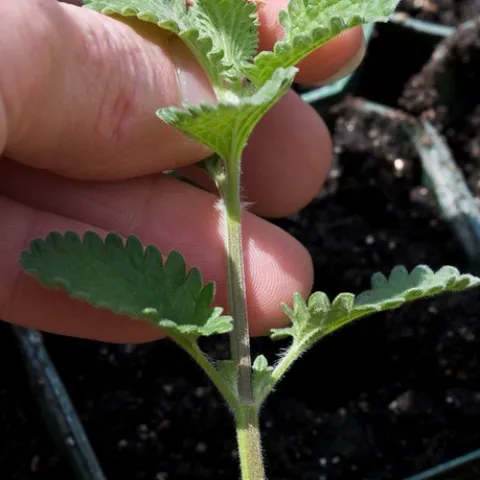
Planting begins with a tray full of seeding mix. A pencil is a handy tool for pushing seed down to the right depth.
UC Marin Master Gardeners: Article

September 2023: Starting With Seeds

August 25, 2023
All the annual edibles in the Demo Garden, with a few exceptions such as potatoes and garlic, started as seeds. Planting seeds is a year around activity for garden volunteers...
View Article
Primary Image
Mortar and pestle for grinding acorns.
The Stanislaus Sprout: Article

Original People of California’s Historical Use of Native Plants

August 25, 2023
By Anne E Schellman
Over thousands of years, the indigenous people of California used native plants in myriad ways for food, medicine, shelter, spiritual ceremonies, clothing, tools, and basketry. Some continue to practice the traditions, skills, and customs of their ancestors today.
View Article
Primary Image
UC Davis Occupational Health Services. Elevate laptop to eye level with a stand or stacks of books. Bring laptop close enough to see without tilting your head forward. Use an external keyboard & mouse; if not possible, use a stand to angle the laptop keyboard. Support neutral elbow postuer with armrests or cushions.
ANR Employee News: Article

New online ergonomic self-assessment tool available

August 25, 2023
By Pamela S Kan-Rice
A new online ergonomic assessment tool is now available to ANR staff from Risk & Safety Solutions. The online self-assessment tool evaluates each employee's workstation ergonomics and provides virtual guidelines on improvements that could be made.
View Article
Primary Image
topics
Topics in Subtropics: Article

UC Subtropical Newsletters Archived

August 25, 2023
By Ben A Faber
A new one just came out, and you can read even more if you want by digging into 20 years of the archives. Read them here: https://ceventura.ucanr.
View Article
Salinas Valley Agriculture: Article

Cost Studies Updated

August 25, 2023
By Mayra Cervantes
Sample costs to produce and harvest the following commodities are now complete: Romaine hearts Film wrapped iceberg lettuce Broccoli bunched 14's Broccoli crown cut The cost studies are now posted on-line at the UC Davis Cost Studies website (https://coststudies.ucdavis.edu/en/ ).
View Article
Primary Image
King Alfred daffodils. UC Stratewide IPM Project. Jack Kelly Clark

Daffodils from January to April

August 25, 2023
It is time to order spring-blooming bulbs from the many catalogs that may be turning up in our mailboxes. Daffodils are perhaps the easiest bulbs to depend upon for a colorful display that can last for several months, if you choose varieties carefully.
View Article