A Natural Solution for California's Herds: African Catfish Peptides

California's cattle producers and agricultural communities are all too familiar with the rising challenge of antibiotic resistance, making common bacterial infections harder to treat in livestock. But imagine a future where we could tackle these infections with a natural, powerful alternative. Our research points to just that: antimicrobial peptides (AMPs) found in African catfish.

We're really excited about these peptides because African catfish thrive in pathogen-rich freshwater, naturally producing these robust immune compounds in their skin mucus as a defense. This natural origin makes them highly appealing alternatives to synthetic drugs.

Predicted Safety and Potent Action

One of the most compelling aspects of these AMPs is their predicted safety for mammals. Our initial computer analyses suggest that various catfish AMPs are generally recognized as safe (GRAS). We predict they'll be absorbed in the human intestine without causing liver, brain, or heart toxicity. Furthermore, lab tests on a promising peptide, NACAP-II, confirmed it was non-hemolytic, meaning it didn't damage rabbit red blood cells—a strong indicator of its potential safety for mammalian cells.

Beyond safety, these peptides demonstrate effectiveness against problematic bacteria. One study revealed NACAP-II's strong activity against Extended-Spectrum Beta-Lactamase (ESBL)-producing Escherichia coli—a critical concern for both animal and human health due to its resistance to many common antibiotics. Another peptide, ACAP-IV, also showed antibacterial activity against E. coli and Staphylococcus aureus. We believe these AMPs work by directly disrupting bacterial cell membranes, a mechanism that makes it harder for bacteria to develop resistance compared to how they resist traditional antibiotics.
Primary Image
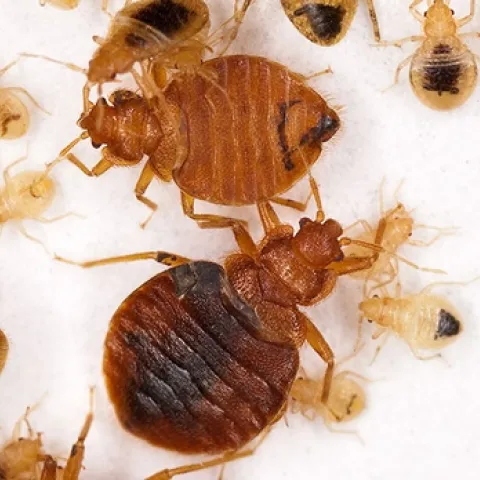
092717 bedbug free
Comunidades Saludables: Article

Consejos para unas vacaciones sin chinches

November 24, 2023
By Ricardo A Vela
La temporada navidea se acerca rpidamente! Dado que muchas personas viajan y visitan nuevos lugares durante este tiempo, es importante comprender cmo verificar si hay chinches y evitar que regresen a casa con usted.
View Article
Primary Image
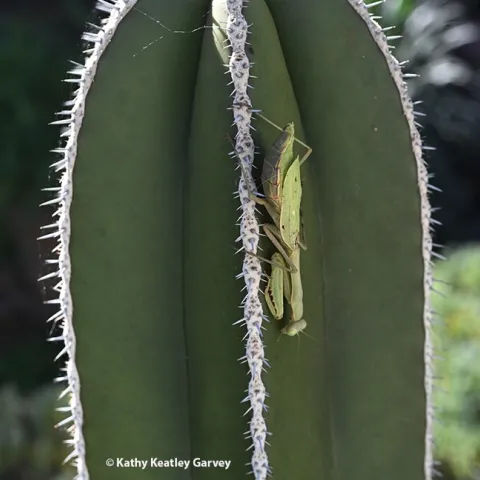
A female praying mantis, Stagmomantis limbata, rests on a cactus in Vacaville. She's the last of the season. (Photo by Kathy Keatley Garvey)
Bug Squad: Article

It's Green Friday

November 24, 2023
By Kathy Keatley Garvey
Today is Black Friday, a day that marks the beginning of the Christmas shopping season. It's reportedly the busiest shopping day of the year. But to us, today is Green Friday, in recognition of a female green praying mantis,Stagmomantis limbata.
View Article
Primary Image
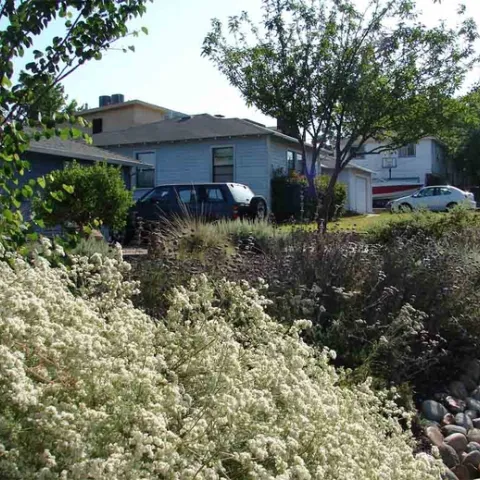
A mini hedgerow incorporating a number of native plants. Eve Werner

Residential Hedgerows

November 24, 2023
If you are planning to put some new plants in the ground now so they will be established when spring comes around, consider planting a hedgerow.
View Article
Primary Image
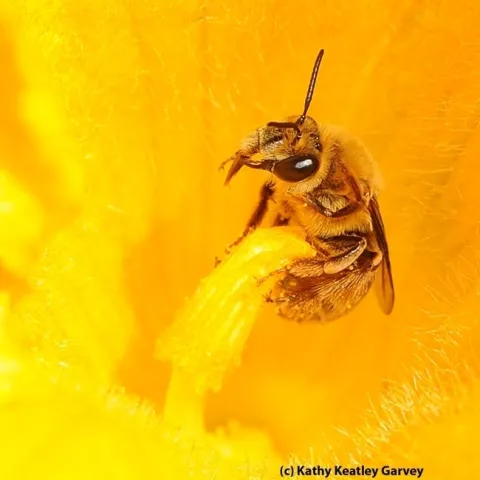
The squash bee, Peponapis pruinosa, pollinating a squash. (Photo by Kathy Keatley Garvey)
Bug Squad: Article

Bee-ing Thankful for Honey Bees

November 23, 2023
By Kathy Keatley Garvey
Let's put the "thanks" in THANKSgiving by bee-ing thankful for the honey bee, Apis mellifera...
View Article
UC Master Gardener Program Statewide Blog: Article

Join us and give back this Giving Tuesday, Nov. 28!

November 22, 2023
By Melissa G Womack
The day that inspires acts of generosity is here again on Nov. 28 it's Giving Tuesday, and we hope you support the UC Master Gardener Program in its 8th year of participating! Giving Tuesday is a global movement that takes place every year on the Tuesday after Thanksgiving.
View Article
Primary Image
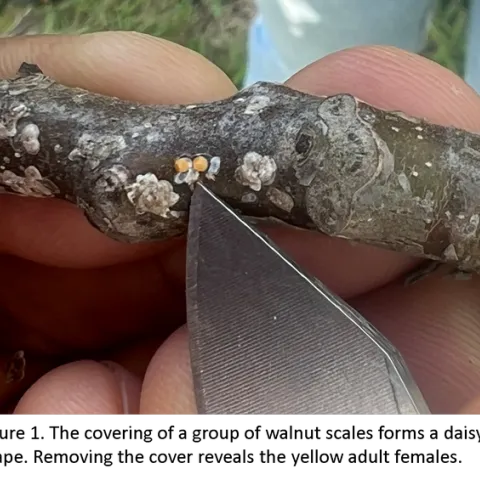
Figure 1. The covering of a group of walnut scales forms a daisy shape. Removing the cover reveals the yellow adult females
Nut, Olive and Prune Programmatic News: Article

Treatment Options for Management of Walnut Scale and Frosted Scale

November 22, 2023
By Elizabeth J Fichtner
Walnut scale (Figure 1) is an important economic pest of walnuts in California. High populations of walnut scale may affect tree vigor as well as predispose trees to diseases caused by several plant pathogenic fungi and possibly flatheaded borer damage.
View Article