A Natural Solution for California's Herds: African Catfish Peptides

California's cattle producers and agricultural communities are all too familiar with the rising challenge of antibiotic resistance, making common bacterial infections harder to treat in livestock. But imagine a future where we could tackle these infections with a natural, powerful alternative. Our research points to just that: antimicrobial peptides (AMPs) found in African catfish.

We're really excited about these peptides because African catfish thrive in pathogen-rich freshwater, naturally producing these robust immune compounds in their skin mucus as a defense. This natural origin makes them highly appealing alternatives to synthetic drugs.

Predicted Safety and Potent Action

One of the most compelling aspects of these AMPs is their predicted safety for mammals. Our initial computer analyses suggest that various catfish AMPs are generally recognized as safe (GRAS). We predict they'll be absorbed in the human intestine without causing liver, brain, or heart toxicity. Furthermore, lab tests on a promising peptide, NACAP-II, confirmed it was non-hemolytic, meaning it didn't damage rabbit red blood cells—a strong indicator of its potential safety for mammalian cells.

Beyond safety, these peptides demonstrate effectiveness against problematic bacteria. One study revealed NACAP-II's strong activity against Extended-Spectrum Beta-Lactamase (ESBL)-producing Escherichia coli—a critical concern for both animal and human health due to its resistance to many common antibiotics. Another peptide, ACAP-IV, also showed antibacterial activity against E. coli and Staphylococcus aureus. We believe these AMPs work by directly disrupting bacterial cell membranes, a mechanism that makes it harder for bacteria to develop resistance compared to how they resist traditional antibiotics.

Primary Image
healthy fresh peaches on a tree branch
UC Master Food Preservers of Central Sierra: Article

Central Sierra: Think Georgia Produces the Most Peaches? Think again!

August 19, 2025
By Robin E Martin
Preserve It! Peaches!  Don't Hesitate to Buy Loads of Fuzzy Peaches (in season!)  Have you noticed that fresh peaches have more fuzz than peaches in grocery stores? Before peaches are sold in grocery stores, some of the fuzz is removed to make it more appealing. It is thought that too much fuzz on…
View Article
Invasive Shothole Borers: Page

2025 Invasive Shothole Borers - Fusarium Dieback Symposium

 2025 Invasive Shothole Borers – Fusarium Dieback Symposium📅 September 23, 2025📍 In-person or Online (via Zoom)🔗 Register here: surveys.ucanr.edu/survey.cfm?surveynumber=46775About the SymposiumDesigned for land managers, arborists, and other professionals whose work includes tree health and/or pest…
View Page
IWP Training: Page

Siteimprove

Siteimprove is a combination SEO, Accessibility, Quality Assurance and Digital Certainty Index reporting tool for all UCANR.edu sites. By measuring these items, you can improve engagement, accessibility, and fix a number of items that affect the quality of your site.How to get a basic report on your…
View Page
Stanislaus County 4-H: Page

Stanislaus County 4-H Fall Start-up 25-26

Office Contact Information SheetIn Recruitment, 4-H Program RepresentativeJose Campos, 4-H Regional Coordinator4-H Front office Staff  Harvest Hall online CalendarHarvest Hall contact: 4-H OfficeName of Organization- “Stanislaus County 4-H/ Name of Club or event"  4-H Policies4-H Clover…
View Page
UC Master Gardeners of Orange County: Page

Seeds - Orange County

Seeds come in countless sizes, from tiny grains almost too small to see to massive coconut size, but their universal purpose is to start new life. If stored properly, seeds can remain viable for years. The oldest known seed to sprout was a roughly 2,000-year-old Judean date palm, excavated from Herod…
View Page
Primary Image
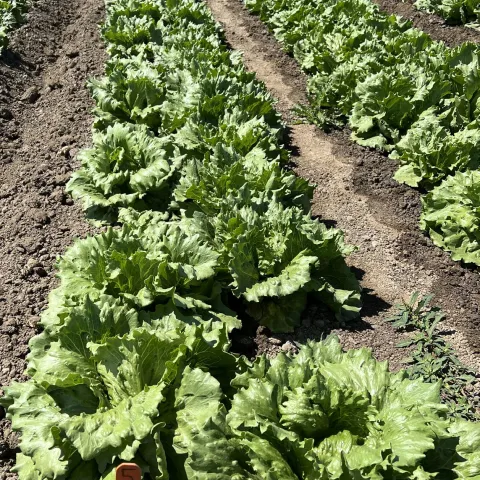
Nice looking lettuce
UC IPM on the South Central Coast: Article

2025 Fusarium wilt of lettuce variety trial field day - Soledad

August 19, 2025
By Christopher A Greer
Please join us for the 2025 Lettuce Fusarium Wilt Trial Field Day in Soledad - August 26, 2025 10 am - 12 pm. Trials include variety evaluations, steam treatment evaluations, and fungicide evaluations. Pre-registration is strongly suggested. Please see full article for additional info and directions.
View Article
Primary Image
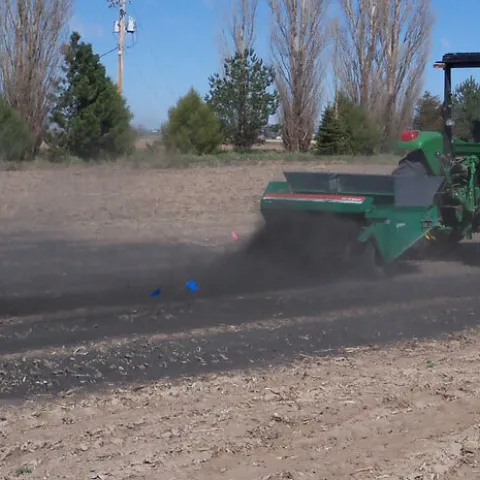
Biochar being spread
San Diego County Climate Smart Agriculture: Article

Update: Healthy Soils Program Incentive Grant; New Practices

August 19, 2025
By Michael Jaquez
 The Healthy Soils Program, a funding opportunity through the California Department of Food and Agriculture, recently added three new conservation practices. In future incentive program solicitations, eligible farmers and ranchers will be able to apply for biochar application, prescribed indigenous…
View Article
Primary Image
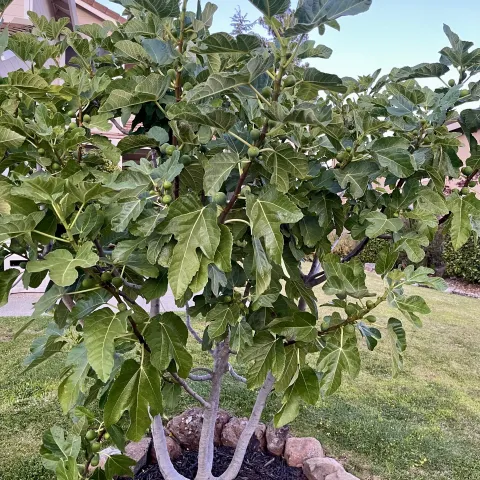
multibranched fig tree surrounded by rocks at the base
Under the Solano Sun: Article

Peter's Honey Fig

August 19, 2025
By Jennifer M Baumbach
Blog by Cindy YeeMany years ago, my father planted a purple fig (Ficus carica) cutting from a neighbor in his backyard.  He did not know the name - my guess is Black Madeira, but I'm not a fig expert.  Thirty years later, the tree is still doing great. Our daughter and son-in-law live there now,…
View Article