A Natural Solution for California's Herds: African Catfish Peptides

California's cattle producers and agricultural communities are all too familiar with the rising challenge of antibiotic resistance, making common bacterial infections harder to treat in livestock. But imagine a future where we could tackle these infections with a natural, powerful alternative. Our research points to just that: antimicrobial peptides (AMPs) found in African catfish.

We're really excited about these peptides because African catfish thrive in pathogen-rich freshwater, naturally producing these robust immune compounds in their skin mucus as a defense. This natural origin makes them highly appealing alternatives to synthetic drugs.

Predicted Safety and Potent Action

One of the most compelling aspects of these AMPs is their predicted safety for mammals. Our initial computer analyses suggest that various catfish AMPs are generally recognized as safe (GRAS). We predict they'll be absorbed in the human intestine without causing liver, brain, or heart toxicity. Furthermore, lab tests on a promising peptide, NACAP-II, confirmed it was non-hemolytic, meaning it didn't damage rabbit red blood cells—a strong indicator of its potential safety for mammalian cells.

Beyond safety, these peptides demonstrate effectiveness against problematic bacteria. One study revealed NACAP-II's strong activity against Extended-Spectrum Beta-Lactamase (ESBL)-producing Escherichia coli—a critical concern for both animal and human health due to its resistance to many common antibiotics. Another peptide, ACAP-IV, also showed antibacterial activity against E. coli and Staphylococcus aureus. We believe these AMPs work by directly disrupting bacterial cell membranes, a mechanism that makes it harder for bacteria to develop resistance compared to how they resist traditional antibiotics.
Event Primary Image
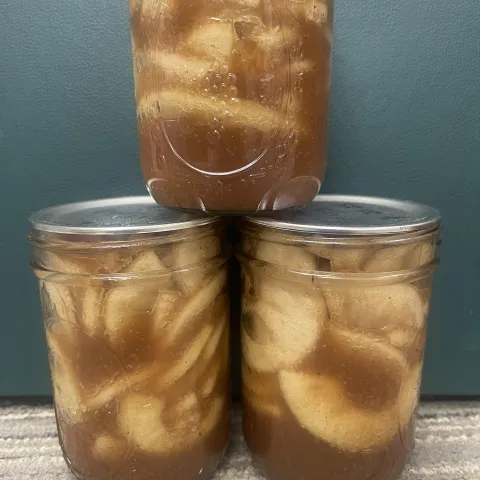
apple pie filling
Master Food Preserver Program of San Diego County: Event

Apple Spice and All Things Nice - San Diego County MFP Program

Event Date
Oct 11, 2025

Learn hands on how to water bath can apple pie filling for your fall festivities. Pie filling is shelf stable and may be safely kept at room temperature for 1 ½ to 2 years. Talks will be given on use of equipment, safety and which apples make the best filling.  Participants will make filling from…
Master Food Preserver Program of San Diego County
View Event
Primary Image
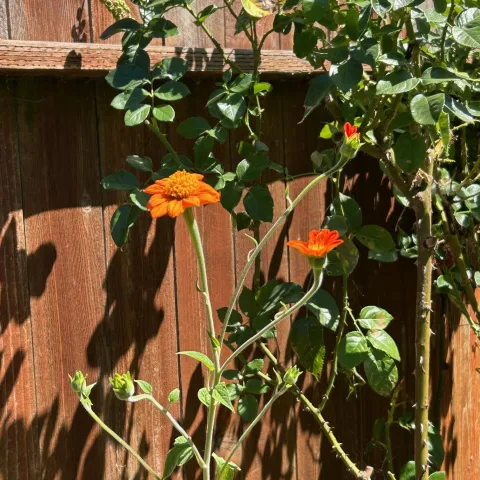
orange flowers of the tithonia plant
Under the Solano Sun: Article

Trying a New Thing

August 15, 2025
By Jennifer M Baumbach
Blog by Karen MetzEach year, I try to grow at least one new plant. I had been wanting to try Tithonia rotundifolia, Mexican Sunflower, for quite a while.  I have been impressed with the many beautiful insect and pollinator photographs on Kathy Keatley Garvey’s Bug Squad blog.  Many of the shots…
View Article
Event Primary Image
fair photo
Master Food Preserver Program of San Diego County: Event

Celebrating Farm Life - San Diego County MFP Program

Event Date
Sep 27, 2025

Join the UC Master Food Preservers at Celebrating Farm Life Day and get all your food preservation questions answered! Whether you’re curious about canning garden produce, freezing seasonal fruits, dehydrating herbs, or safely fermenting vegetables, our trained volunteers are ready to share trusted, research…
Master Food Preserver Program of San Diego County
View Event
Event Primary Image
kombucha
Master Food Preserver Program of San Diego County: Event

Let's Make Kombucha! - San Diego County MFP Program

Event Date
Aug 16, 2025

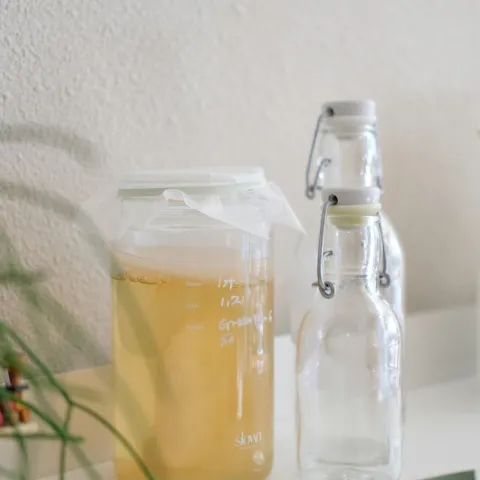
This class will cover everything you need to know to brew kombucha at home, including secondary flavoring and carbonation. We will demonstrate the techniques for brewing kombucha and send you home with a complete ½ gallon starter kit and instructions for getting your first batch started. Learning to…
Master Food Preserver Program of San Diego County
View Event
UC Organic Agriculture Institute: Event

California Field Day at the CR Shively Farm

Event Date
Sep 10, 2025

Local and regional seed growers will showcase several organic vegetable research and plant breeding projects. Date: Weds, Sept 10thTime: 5:00 – 5:45 Dinner, 5:45 – 7:00 Farm Tour & DiscussionLocation: CR Shively Farm (409 Shively Flat Road, Scotia, CA 95565)Cost: Free, registration required.Jared…
UC Organic Agriculture Institute
View Event
Primary Image
Dripper
Topics in Subtropics: Article

The Seeds of Emitter Clogging

August 15, 2025
By Ben A Faber
Emitter clogging – either microsprinkler or drip, they both emit – is fairly easily dealt with through proper filtration for particulates like sand and gunk; with chemigation for clearing out bacterial and algal slimes and chemical precipitates; and just regular flushing to deal with stuff that builds up…
View Article
Topics in Subtropics: Article

What Would A WoodPecker Do If It Could?

August 15, 2025
By Ben A Faber
Recently we were called out to inspect trees that had unusual cankers.  Unusual, because it was a cluster of about 20 trees and the cankers had insect larvae in the liquid sap that had accumulated in the cankers.When I see an avocado tree like this with discrete white cankers going up and down a branch…
View Article