A Natural Solution for California's Herds: African Catfish Peptides

California's cattle producers and agricultural communities are all too familiar with the rising challenge of antibiotic resistance, making common bacterial infections harder to treat in livestock. But imagine a future where we could tackle these infections with a natural, powerful alternative. Our research points to just that: antimicrobial peptides (AMPs) found in African catfish.

We're really excited about these peptides because African catfish thrive in pathogen-rich freshwater, naturally producing these robust immune compounds in their skin mucus as a defense. This natural origin makes them highly appealing alternatives to synthetic drugs.

Predicted Safety and Potent Action

One of the most compelling aspects of these AMPs is their predicted safety for mammals. Our initial computer analyses suggest that various catfish AMPs are generally recognized as safe (GRAS). We predict they'll be absorbed in the human intestine without causing liver, brain, or heart toxicity. Furthermore, lab tests on a promising peptide, NACAP-II, confirmed it was non-hemolytic, meaning it didn't damage rabbit red blood cells—a strong indicator of its potential safety for mammalian cells.

Beyond safety, these peptides demonstrate effectiveness against problematic bacteria. One study revealed NACAP-II's strong activity against Extended-Spectrum Beta-Lactamase (ESBL)-producing Escherichia coli—a critical concern for both animal and human health due to its resistance to many common antibiotics. Another peptide, ACAP-IV, also showed antibacterial activity against E. coli and Staphylococcus aureus. We believe these AMPs work by directly disrupting bacterial cell membranes, a mechanism that makes it harder for bacteria to develop resistance compared to how they resist traditional antibiotics.
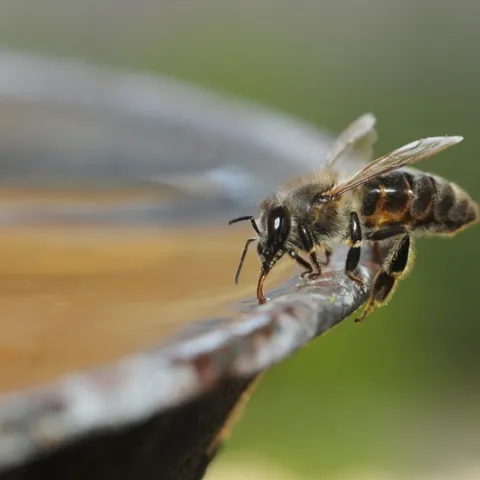
Primary Image
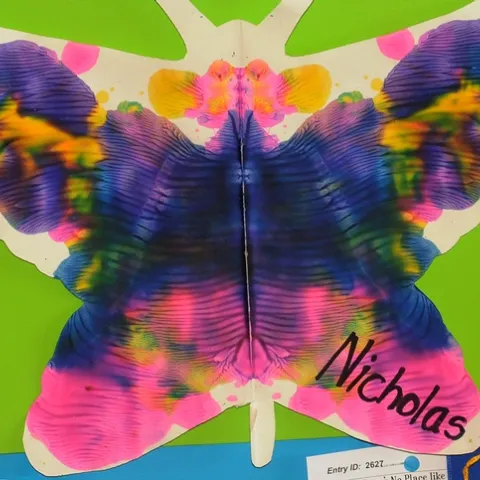
Italian honey bee foraging on lavender. (Photo by Kathy Keatley Garvey)
Bug Squad: Article

Mother's Day Delight

May 9, 2011
Mother's Day, insect-style, dawned like any other day. In our back yard, golden honey bees foraged in the lavender and those ever-so-tiny sweat bees visited the rock purslane. The honey bees? Those gorgeous Italians.
View Article
UC Weed Science (weed control, management, ecology, and minutia): Article

glyphosate injury on young almond tree

May 8, 2011
By Brad Hanson
I went on a farm call last week (early May) in response to a suspected herbicide injury issue in a recently replanted almond orchard. The grower had applied a tankmix of glyphosate and Goal as a preplant burndown treatment a week or so before planting.
View Article
UC Weed Science (weed control, management, ecology, and minutia): Article

Science article: Can Biotech and Organic Farmers Get Along?

May 7, 2011
By Brad Hanson
I was sent a short article from Science this week that discussed the impact of biotech crops on organic farms. The article is entitled "Can Biotech and Organic Farmers Get Along?" discusses issues with the science and politics surrounding GMO crops and gene flow to organic crops.
View Article
Primary Image
Honey bee foraging on strawberry plant in Haagen-Dazs Honey Bee Haven. (Photo by Kathy Keatley Garvey)
Bug Squad: Article

Berry Fine!

May 6, 2011
First the buds, then the blossoms, then the bees. The Hagen-Dazs Honey Bee Haven, a half-acre, bee-friendly garden planted in the fall of 2009 next to the Harry H. Laidlaw Jr. Honey Bee Research Facility on Bee Biology Road, UC Davis, is, in one wordspectacular.
View Article
Primary Image
Chrysiridia rhipheus at the Bohart Museum of Entomology.
Bug Squad: Article

Moth-er's Day, Lepidopteran Style

May 5, 2011
Sunday, May 8 is Mother's Day. Saturday, May 7 is Moth-er's Day. Yes, that's Moth-er's Day, Lepidopteran style. That's when the Bohart Museum of Entomology will showcase moths at a special weekend opening from 1 to 4 p.m.
View Article
Primary Image
UC Davis forensic entomologist Robert Kimsey on "The Rock." (Photo by Kathy Keatley Garvey)
Bug Squad: Article

The Fly Man of Alcatraz

May 4, 2011
Forensic entomologist Robert Kimsey of the UC Davis Department of Entomology is known as "The Fly Man of Alcatraz." When he's not teaching classes, advising students and graduate students, or heading out on homicide cases, you can usually find him on "The Rock"--researching flies.
View Article
Primary Image
Bee observation hive shows a queen and her court. (Photo by Kathy Keatley Garvey
Bug Squad: Article

'Going Buggy' at the Fair

May 3, 2011
County fairs are known for cotton candy, corn dogs and cool treats. But some--such as the 136th annual Dixon May Fair in Solano County--have bugs! When the fair opens Wednesday, May 4 at 655 S. First St., the Floriculture Building will house gorgeous flowers...and gorgeous bugs. The Harry H.
View Article
Primary Image
Soldier beetle (family Cantharidae) runs out of room. (Photo by Kathy Keatley Garvey)
Bug Squad: Article

End of the Line

May 2, 2011
Gotta love those solider beetles (family Cantharidae). When an army of soldier beetles goes on patrol in your garden, just thank them. These "leatherwings" are there to mete out justice to the plant-sucking aphids and other undesirable critters. Aphids are high on their menu preferences.
View Article