A Natural Solution for California's Herds: African Catfish Peptides

California's cattle producers and agricultural communities are all too familiar with the rising challenge of antibiotic resistance, making common bacterial infections harder to treat in livestock. But imagine a future where we could tackle these infections with a natural, powerful alternative. Our research points to just that: antimicrobial peptides (AMPs) found in African catfish.

We're really excited about these peptides because African catfish thrive in pathogen-rich freshwater, naturally producing these robust immune compounds in their skin mucus as a defense. This natural origin makes them highly appealing alternatives to synthetic drugs.

Predicted Safety and Potent Action

One of the most compelling aspects of these AMPs is their predicted safety for mammals. Our initial computer analyses suggest that various catfish AMPs are generally recognized as safe (GRAS). We predict they'll be absorbed in the human intestine without causing liver, brain, or heart toxicity. Furthermore, lab tests on a promising peptide, NACAP-II, confirmed it was non-hemolytic, meaning it didn't damage rabbit red blood cells—a strong indicator of its potential safety for mammalian cells.

Beyond safety, these peptides demonstrate effectiveness against problematic bacteria. One study revealed NACAP-II's strong activity against Extended-Spectrum Beta-Lactamase (ESBL)-producing Escherichia coli—a critical concern for both animal and human health due to its resistance to many common antibiotics. Another peptide, ACAP-IV, also showed antibacterial activity against E. coli and Staphylococcus aureus. We believe these AMPs work by directly disrupting bacterial cell membranes, a mechanism that makes it harder for bacteria to develop resistance compared to how they resist traditional antibiotics.
Primary Image
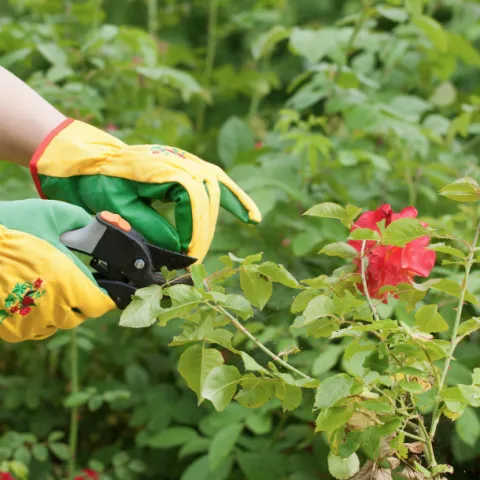
pruning a red rose bush wearing yellow gloves
UC Master Gardeners of Monterey & Santa Cruz Counties: Article

When and When Not to Prune Roses

March 20, 2025
By Atticus Rotoli
Winter is the best time to prune roses to set up bountiful blooms later in the year. This annual task is crucial for overall rose health--from stimulating vigorous growth to preventing common fungal diseases. While most modern roses need winter pruning, hold off on varieties like rambling roses,…
View Article
Primary Image
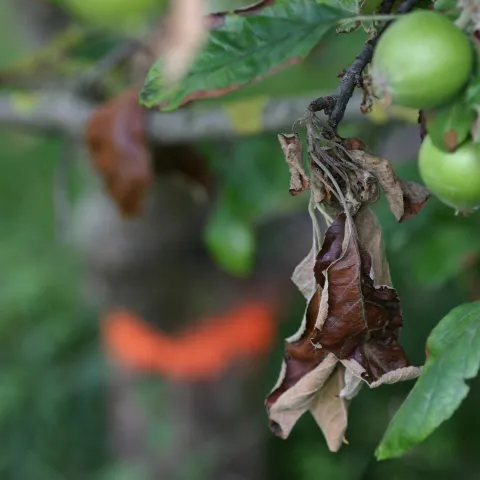
Brown, scorched-looking leaves are symptoms of fire blight in trees in the apple and pear family. Photo: Sebastian Stabinger
UC Marin Master Gardeners: Document

Fire Blight

 Fire blight is a common and frequently destructive disease of pome fruit trees and related plants.  The disease can destroy limbs and even entire shrubs or trees. Caused by the bacterium Erwinia amylovora. Pear (Pyrus species) and quince (Cydonia) are extremely susceptible.  Apple, crabapple …
View Document
Primary Image
fusarium wilt
UC Marin Master Gardeners: Document

Fusarium Wilt

Fungus.  Various host-specific forms of Fusarium oxysporum can kill infected plants. Hosts include asparagus, bean, cabbage, cantaloupe, pea, tomato, and watermelon. There are many varieties of host plants with resistance to Fusarium wilt.Like verticillium, causes leaf…
View Document
Primary Image
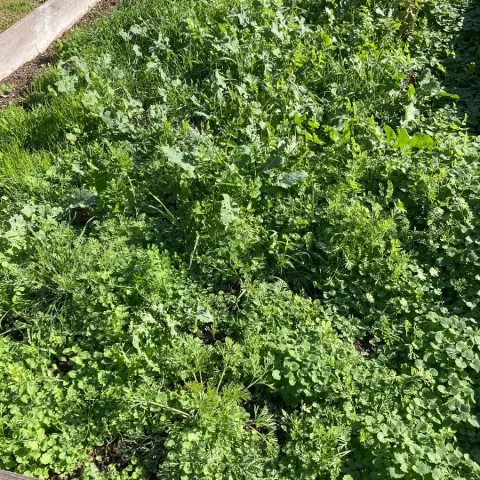
Weeds in the cover crop
UC Master Gardeners of Monterey & Santa Cruz Counties: Article

Weeds in My Cover Crop

March 20, 2025
By Atticus Rotoli
Here is a question that came to the gardening advice teamQ: I planted a cover crop in my community garden plot and left it longer than I should have. There are now weeds mixed in with the cover crop blend. I’m not sure what I should do. If there are weeds mixed in with the beneficial plants I’m guessing I…
View Article
Primary Image
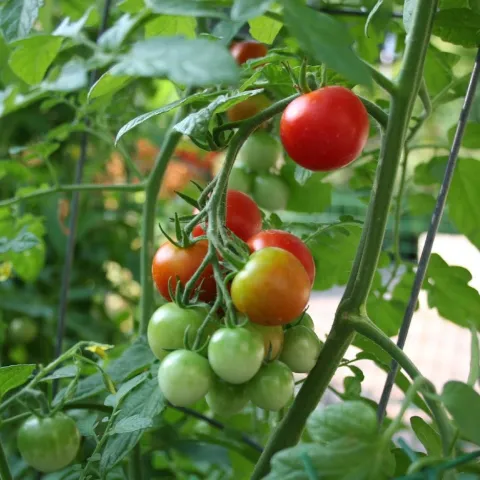
Cherry tomatoes
UC Master Gardeners of Monterey & Santa Cruz Counties: Article

Hold the Tomatoes!

March 20, 2025
By Jazmin Lopez
 Spring is finally upon us and the weather has been absolutely gorgeous. All this sunshine & spring showers have me thinking about my vegetable garden. I already have some seeds in the ground, but I want to keep planting more.The other day while strolling through the local garden center my eyes…
View Article
Primary Image
blight
UC Marin Master Gardeners: Document

Late Blight on Potatoes

Late blight of potato was responsible for the Irish potato famine of the late 1840s. Late blight is caused by the oomycete Phytophthora infestans. Oomycetes are fungus-like organisms also called water molds, but they are not true fungi. CategoryFungiSigns/SymptomsLesions appear as small dark green water…
View Document
Primary Image
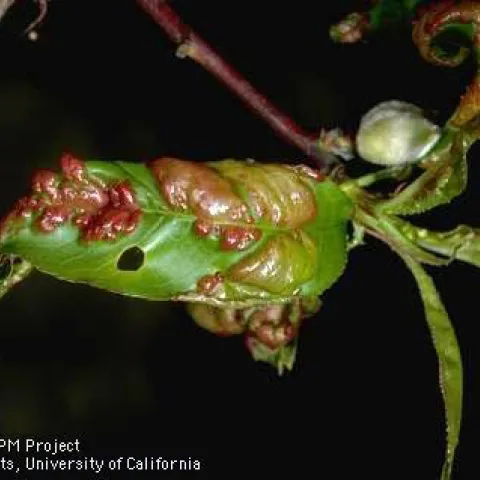
peach leaf curl
UC Marin Master Gardeners: Document

Peach Leaf Curl

 Fungal disease that affects the blossoms, fruit, leaves, and shoots of peaches, ornamental flowering peaches, and nectarines. One of the most common disease problems for backyard gardeners growing these trees. When severe, the disease can reduce fruit production substantially. The loss of leaves and…
View Document
Primary Image
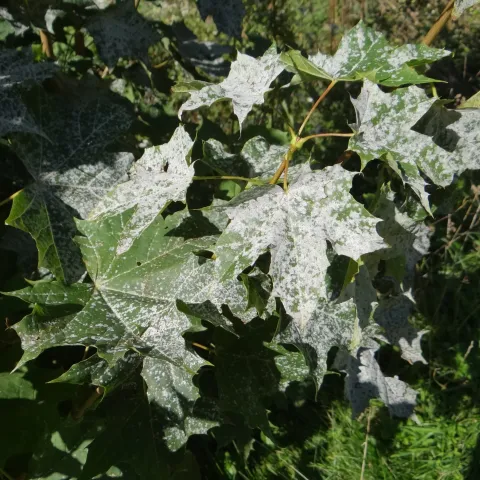
powdery mildew
UC Marin Master Gardeners: Document

Powdery Mildew

 Powdery mildew is a common disease on many types of plants and is prevalent in many areas of California. Infection occurs when fungus contacts a suitable host and environmental conditions are favorable. Infections spread as spores produced in these white patches move by wind and splashing rain to other…
View Document
Primary Image
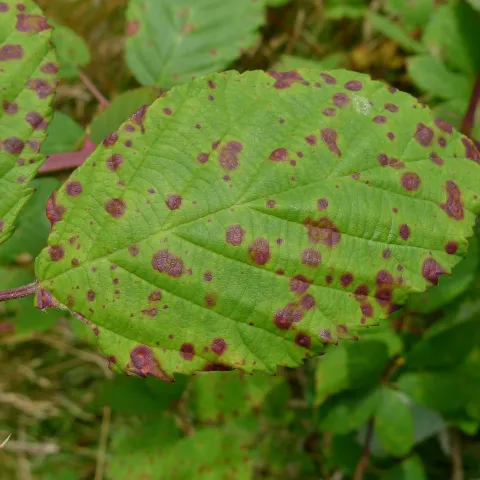
blackberry rust
UC Marin Master Gardeners: Document

Rust

 Fungal disease named for the dry to gelatinous, orange, reddish, or yellowish fruiting bodies and spore masses that many species form on infected tissue. Rusts infect many hosts, including birch, cedar, cottonwood, cypress, fuchsia, hawthorn, juniper, pear, pine, poplar, rhododendron, and rose…
View Document
Primary Image
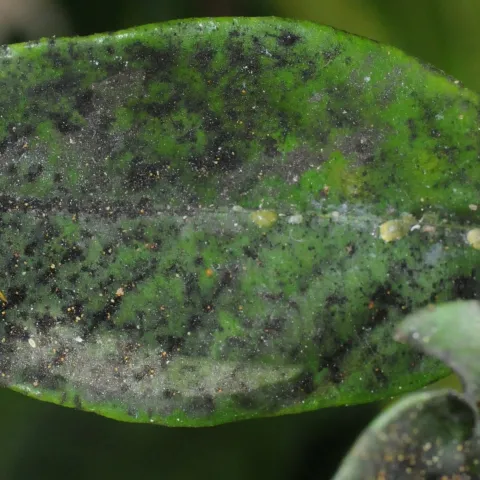
sooty mold
UC Marin Master Gardeners: Document

Sooty Mold

Grows on plants and other surfaces covered with honeydew, a sticky substance created by some certain insects. Doesn’t infect plants, but the mold can indirectly do damage by coating leaves to the point that sunlight can’t reach the leaf surface. Without adequate sunlight, the plant cannot effectively…
View Document