A Natural Solution for California's Herds: African Catfish Peptides

California's cattle producers and agricultural communities are all too familiar with the rising challenge of antibiotic resistance, making common bacterial infections harder to treat in livestock. But imagine a future where we could tackle these infections with a natural, powerful alternative. Our research points to just that: antimicrobial peptides (AMPs) found in African catfish.

We're really excited about these peptides because African catfish thrive in pathogen-rich freshwater, naturally producing these robust immune compounds in their skin mucus as a defense. This natural origin makes them highly appealing alternatives to synthetic drugs.

Predicted Safety and Potent Action

One of the most compelling aspects of these AMPs is their predicted safety for mammals. Our initial computer analyses suggest that various catfish AMPs are generally recognized as safe (GRAS). We predict they'll be absorbed in the human intestine without causing liver, brain, or heart toxicity. Furthermore, lab tests on a promising peptide, NACAP-II, confirmed it was non-hemolytic, meaning it didn't damage rabbit red blood cells—a strong indicator of its potential safety for mammalian cells.

Beyond safety, these peptides demonstrate effectiveness against problematic bacteria. One study revealed NACAP-II's strong activity against Extended-Spectrum Beta-Lactamase (ESBL)-producing Escherichia coli—a critical concern for both animal and human health due to its resistance to many common antibiotics. Another peptide, ACAP-IV, also showed antibacterial activity against E. coli and Staphylococcus aureus. We believe these AMPs work by directly disrupting bacterial cell membranes, a mechanism that makes it harder for bacteria to develop resistance compared to how they resist traditional antibiotics.

UC ANR Human Resources: Page

Gender Recognition and Lived Name

At UC ANR, we strive to cultivate a culture of belonging, an environment free of discrimination and harassment in which all members of our community — including transgender and nonbinary people — can thrive. We are implementing the UC Presidential Policy on Gender Recognition and Lived Name (GRLN) to ensure…
View Page
4-H San Luis Obispo County : Page

Volunteer

You can help 4-H youth learn and practice new skills Volunteers are important to help 4-H youth "learn-by-doing". As a  4-H volunteer, you work side-by-side with 4-H youth in youth-adult partnerships, where you grow together in shared responsibility and decision-making.Improve your own…
View Page
UC ANR Human Resources: Page

Diversity Matters

ANR Work Environment AssessmentThe results of a systemwide survey of all faculty, students and staff about experiences as part of UC. The Division of Agriculture and Natural Resources participated in this survey to gather a wide variety of data related to work environments and work-life issues.UC ANR Work…
View Page
Primary Image
anise hyssop
UC Marin Master Gardeners: Document

Anise Hyssop

 Scientific NameAgastache foeniculumGeneral InformationAnise hyssop is a short-lived perennial with the scent of basil and tarragon and aIt blooms midsummer into fall. Its spiky, blue blooms and bright green leaves tinged with purple make it a great ornamental. It is in the Lamiaceae or mint family and…
View Document
Primary Image
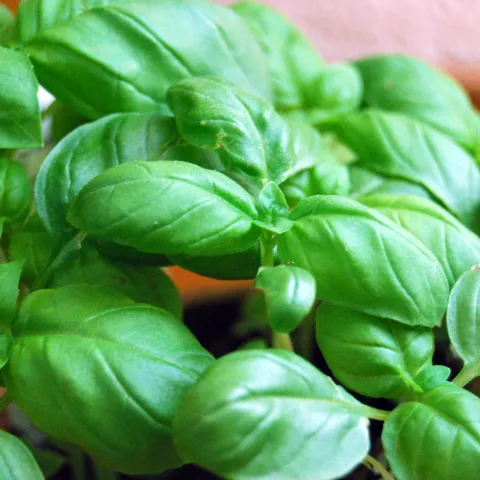
Basil
UC Marin Master Gardeners: Document

Basil

 Scientific NameOcimum spp.General InformationBasil is a warm weather annual grown in full sun. The leaves, flowers, and seeds have culinary uses. There are many cultivars, each varying in leaf shape, color, scent, and flavor. Basil grows 8 to 24" tall and 8 to 12" wide, depending on the variety. It is…
View Document
Primary Image
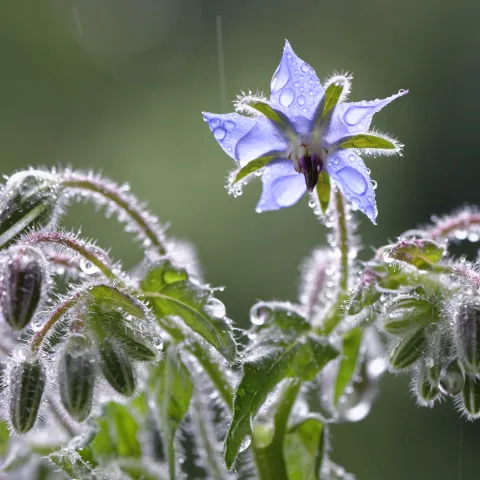
borage
UC Marin Master Gardeners: Document

Borage

 Scientific NameBorago officinalisGeneral InformationBorage is an exuberant annual that grows two to three feet tall and is covered with many striking blue pendulous flowers. It is a prolific self-seeder and may become invasive. When to PlantSow in late spring to early fall.Thin so mature plants…
View Document