A Natural Solution for California's Herds: African Catfish Peptides

California's cattle producers and agricultural communities are all too familiar with the rising challenge of antibiotic resistance, making common bacterial infections harder to treat in livestock. But imagine a future where we could tackle these infections with a natural, powerful alternative. Our research points to just that: antimicrobial peptides (AMPs) found in African catfish.

We're really excited about these peptides because African catfish thrive in pathogen-rich freshwater, naturally producing these robust immune compounds in their skin mucus as a defense. This natural origin makes them highly appealing alternatives to synthetic drugs.

Predicted Safety and Potent Action

One of the most compelling aspects of these AMPs is their predicted safety for mammals. Our initial computer analyses suggest that various catfish AMPs are generally recognized as safe (GRAS). We predict they'll be absorbed in the human intestine without causing liver, brain, or heart toxicity. Furthermore, lab tests on a promising peptide, NACAP-II, confirmed it was non-hemolytic, meaning it didn't damage rabbit red blood cells—a strong indicator of its potential safety for mammalian cells.

Beyond safety, these peptides demonstrate effectiveness against problematic bacteria. One study revealed NACAP-II's strong activity against Extended-Spectrum Beta-Lactamase (ESBL)-producing Escherichia coli—a critical concern for both animal and human health due to its resistance to many common antibiotics. Another peptide, ACAP-IV, also showed antibacterial activity against E. coli and Staphylococcus aureus. We believe these AMPs work by directly disrupting bacterial cell membranes, a mechanism that makes it harder for bacteria to develop resistance compared to how they resist traditional antibiotics.

Event Primary Image
gngt'25
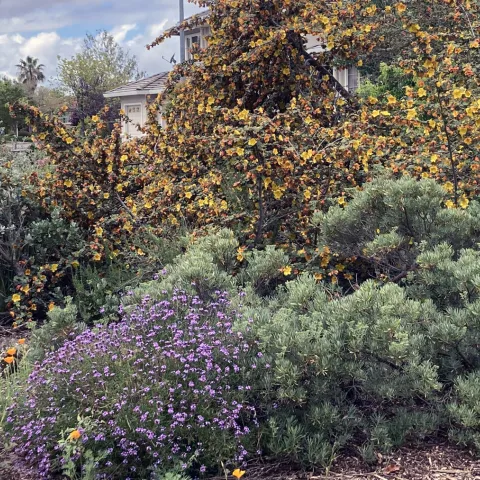
UC Master Gardeners of Santa Clara County: Event

Growing Natives Garden Tour - South Tours

Event Date
Apr 18, 2026

Growing Natives Garden Tour on April 18 & 19, 2026The Growing Natives Garden Tour aims to educate the public about the beauty and importance of California native plants through an annual, self-guided, and free tour of private and public gardens. The tour promotes biodiversity and emphasizes the benefits…
UC Master Gardeners of Santa Clara County
View Event
UC Master Gardeners • Napa County: Event

Irrigation for the Home Garden - Library Talk - Zoom

Event Date
Jun 5, 2025

Join us to learn how to repair, upgrade, or plan a new irrigation for your lawn and garden. Save water, money and time with a well designed and maintained irrigation system. We will cover common repairs, upgrading your existing system to save water, and planning a new system.Note that the meeting will lock…
UC Master Gardeners • Napa County
View Event
Nutrition Policy Institute News: Article

New NPI research brief highlights importance of store participation in SNAP and WIC for healthy food retail environment

March 20, 2025
By Reka Vasicsek, Summer J Cortez, Richard Pulvera, Wendi Gosliner
A new research brief from the Nutrition Policy Institute highlights the role of federal and state programs in promoting healthy and equitable food retail environments. The study, “Availability and Quality of Healthy Foods Vary by Store Participation in SNAP and WIC in Low-Income California Neighborhoods,”…
View Article
Article

Website and Portal intermittent downtime March 22-24

March 20, 2025
By Michael Hsu
Please be advised that our UC ANR website, ucanr.edu, will be switching over to the new IWP (Integrated Web Platform) from March 22 through March 24, as previously communicated. Intermittent downtime is expected during this period, affecting ucanr.edu sites and Portal access.
View Article
Primary Image
Armillaria
UC Marin Master Gardeners: Document

Armillaria

 Armillaria root rot, also known as Oak root fungus, is a disease of many different plants.  There is no known effective cure.  Root rot fungus disease of trees and woody plants. Affects palms, succulents, ferns and other herbaceous plants like begonia, daffodil, dahlia, and geranium.  No…
View Document
Primary Image
Damping Off
UC Marin Master Gardeners: Document

Damping Off

Seedlings sometimes fail to sprout or die soon after. Seeds may rot before germinating, shoots may decay before they emerge, or stems of seedlings may be attacked near the soil line, causing young plants to collapse. These diseases are collectively called “damping off,” likely caused by a number of soil…
View Document
Primary Image
downy mildew
UC Marin Master Gardeners: Document

Downy Mildew

Downy mildews, including Peronospora and Plasmopara spp., are pathogenic water molds (oomycetes) that primarily damage foliage. Hosts include cane berries, roses, various herbaceous ornamentals, and many fruit, grain, and vegetable crops. CategoryFungiSigns/SymptomsDowny mildew causes pale green to…
View Document